


Judge Criticizes Termination of Student Visas as Unreasoned
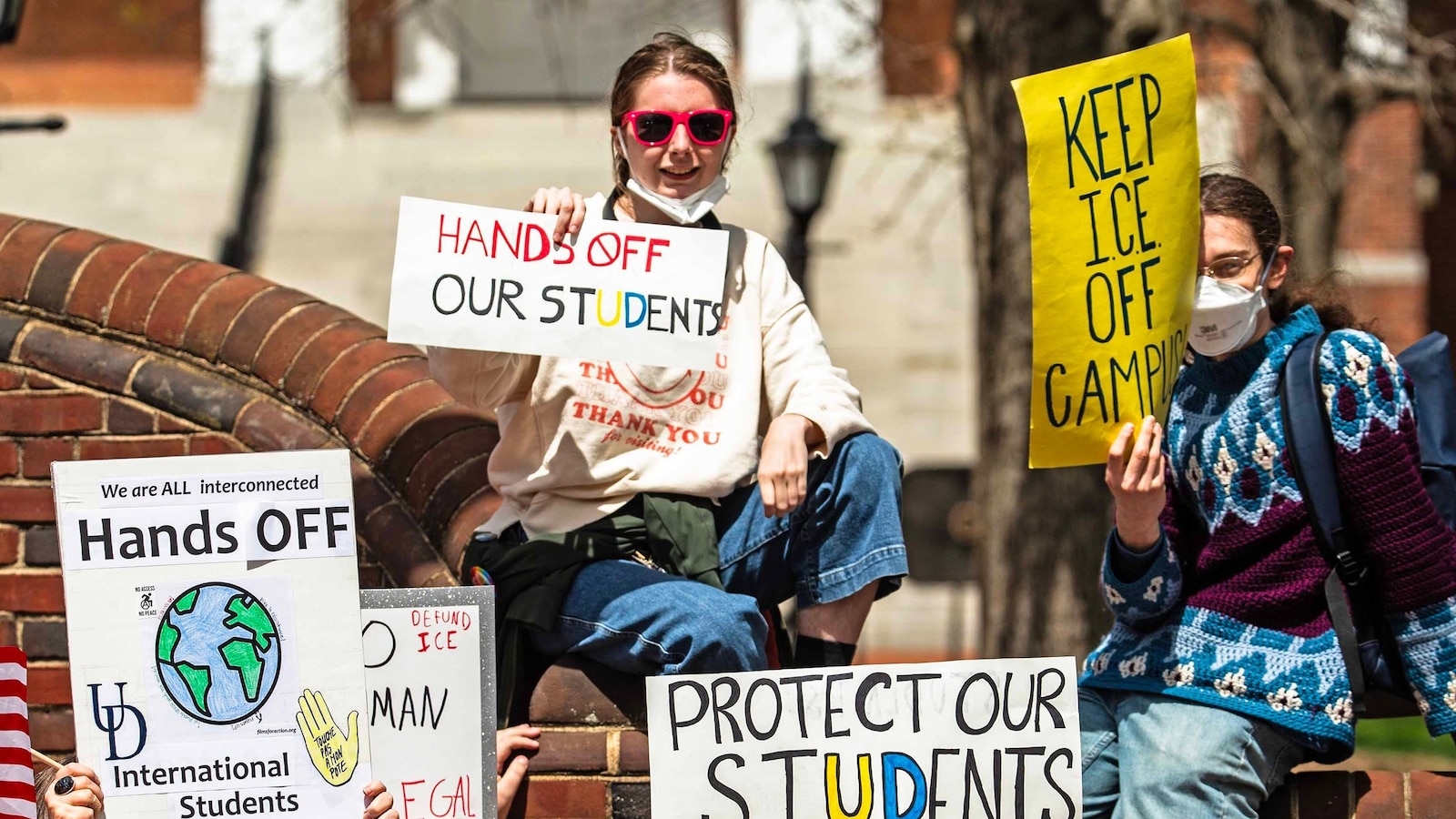
A federal judge has fiercely criticized the Trump administration's abrupt revocation of immigration documentation for numerous international students in the U.S., describing the action as lacking reasoned justification. The judge insisted on detailed government clarifications about the rationale behind this decision and its implications for affected students.
Judge Ana Reyes commented during a court proceeding in Washington, D.C., concerning an international student's lawsuit, acknowledging a consensus on the arbitrary nature of the administration's move to cancel records in the SEVIS system—a critical tool for schools and agencies to track compliance by foreign students.
"No one could say this was conducted ideally," she added.
Case Example: Student Sues Over Speeding Ticket Issue
Akshar Patel, an Indian national studying computer science, filed a legal challenge following the unexpected termination of his SEVIS record, triggered by a minor traffic violation from years earlier. Patel pursued a court order to protect his residential status and prevent his possible arrest or removal from the U.S.
Judge Reyes expressed bewilderment over the firing of federal workers without notice, only to employ some to check national databases against a list of students for any minor offenses, such as traffic citations.
In Patel's hearing, authorities confirmed no current deportation threat, suggesting settlement talks between the plaintiff and government lawyers to affirm his presence in America.
National Impact of SEVIS Termination
Andre Watson from Homeland Security Investigations disclosed that Patel's case was among 6,400 earmarked for scrutiny in a wide-scale review of 1.3 million international student records, aimed at identifying visa holders with potential legal breaches.
The broad stroke approach drew sharp criticism from the judge, particularly questioning the logic of a blanket termination without personalized assessments.
Reyes underscored the absence of specific case evaluations noting that Patel's instance of non-criminal traffic citation had already been addressed without affecting his visa previously.
Walker, representing the U.S. legal team, clarified the SEVIS warning as an alert to educational institutions, placing the onus on them to act regarding any student's visa status.
Courtroom Reactions and Broader Concerns
While Patel nears the completion of his studies, other international students face uncertain futures. Some schools have misconstrued the SEVIS alerts, unnecessarily directing students to depart the country.
Choosing to delay a final decision in court, the judge openly condemned the administration's disregard for the individuals it welcomed into academia, which has subsequently imposed unnecessary legal costs on those seeking resolutions.
"This escalation of legal hurdles was wholly avoidable," Reyes remarked, advocating for more cautious and deliberate government action.
Leave a Reply