


Extended Repayment Terms and Limited Relief: The New GOP Student Loan Strategy
A major shift could be on the horizon for millions of student-loan holders if House Republicans' new education proposal is enacted.
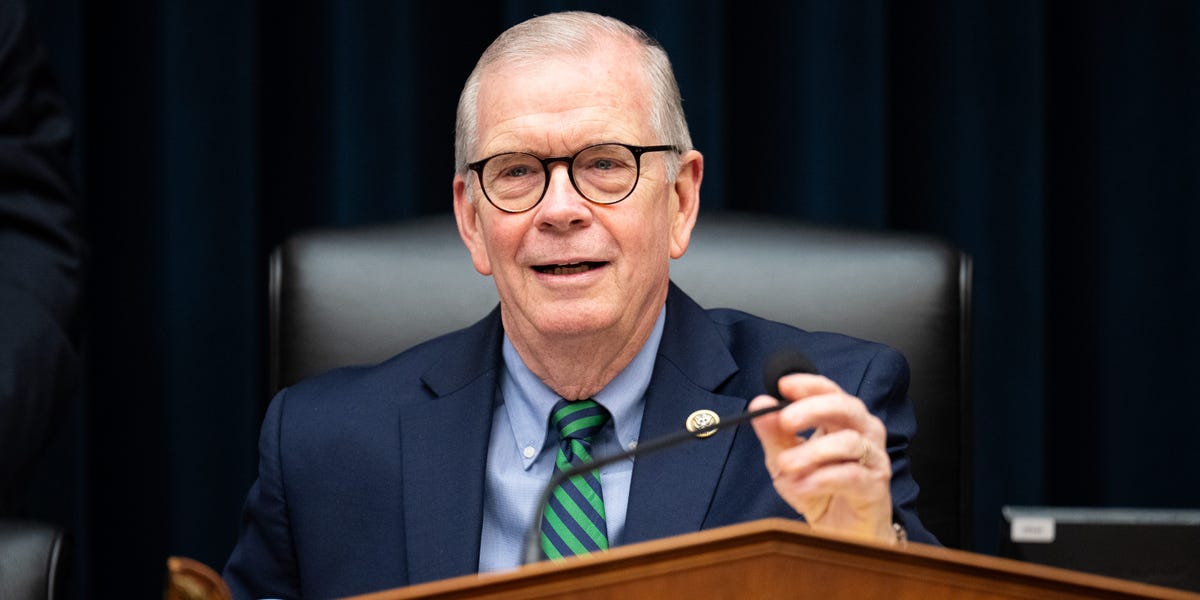
Representative Tim Walberg, leading the House education committee, recently introduced a legislative framework aimed at fundamentally altering both the education landscape and financial aid systems. This comprehensive 100-page proposal holds significant consequences for those with student debt. If given the green light, it aims to dismantle currently available affordable repayment plans and impose penalties on universities that burden students with excessive debt.
According to a press statement from the committee, the objective is to cut over $330 billion by improving accountability in education financing, making student loan choices more straightforward, and simplifying repayment methods.
In a statement, Walberg highlighted that the bill aims to reduce education costs for families while maintaining the financial stability of essential financial aid programs, such as the Pell Grant. 'The essence of the bill is to mend the current cycle that strains taxpayers and leaves students struggling more than benefiting from higher education,' he stated.
Key features of the bill would consolidate the current array of repayment plans into two options: a standard plan requiring fixed monthly payments over a certain period, and a Repayment Assistance Plan, which offers loan forgiveness after 360 qualified payments, ensuring interest does not cause the loan balance to inflate.
Prominently, this legislation seeks to abolish former President Biden's SAVE initiative, which was established in 2023 to facilitate more manageable monthly payments for borrowers with a quicker route to debt forgiveness. Although it is stalled in court, the plan would not be revived under the Trump administration policies.
Another aspect proposes the elimination of federal direct PLUS loans, which currently permit parents and graduate-level students to borrow up to complete educational costs. Post-July 1, 2026, new students would be ineligible for PLUS loans, which are noted for their relatively high interest rates.
Additionally, the bill includes provisions to ensure colleges are held responsible should students accrue untenable debt, expand Pell Grant access to shorter-term programs for financially challenged students, and remove grant eligibility for those undertaking less than six credit hours.
The proposal has faced criticism from advocacy groups. Aissa Canchola Bañez from the Student Borrower Protection Center remarked that the GOP's approach revisits past pitfalls, characterized by failed commitments and limited borrower relief. Similarly, Sameer Gadkaree from The Institute for College Access and Success commented that the proposal would significantly limit college accessibility by reducing financial aid, stripping vital consumer protections, and complicating debt repayment processes.
This proposal is awaiting markup and potential revisions as it coincides with broader educational reform efforts by the Trump administration. The Department of Education is also in the process of refining Public Service Loan Forgiveness criteria and starting up student loan collections in default from May 5 onward.
Education Secretary Linda McMahon expressed the department's intent to manage the loan portfolio with commitment, ensuring borrowers are supported in repayment and that educational institutions do not overly burden students financially, which could threaten their futures.
Leave a Reply