


The End of a Key Grant Raises Concerns for Young Researchers
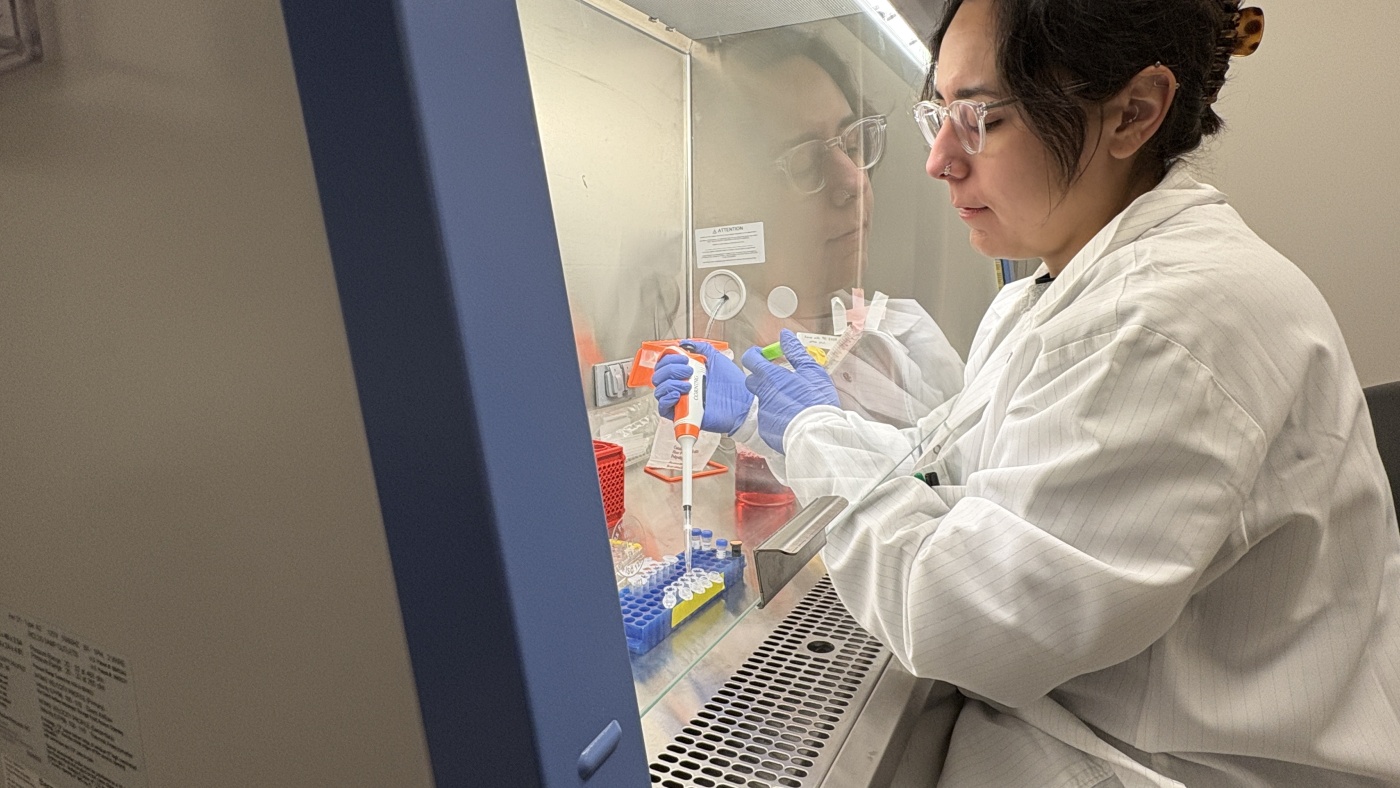
Adelaide Tovar, a 32-year-old geneticist at the University of Michigan, can often be found in the laboratory meticulously preparing cell samples. Having grown up in poverty and becoming the first in her family to finish high school, she initially struggled with feeling out of place in an academic environment.
Throughout her years of studying biology and genetics, Tovar sought reassurance of her capabilities. That moment came last fall when the National Institutes of Health decided to back her research endeavors, pulling her closer to her aspiration of leading her own university lab.
"Being awarded the grant was a significant personal achievement, a recognition of my hard work," Tovar remarked. "The sudden cancellation now leaves many of us anxious about how it might affect our future."
Impact of the Grant’s Termination
The abrupt conclusion of the MOSAIC grant by the NIH has put the careers of approximately 200 emerging scientists, including Tovar, in jeopardy. This initiative, originally set into motion by the Trump administration, was aimed at enhancing diversity among biomedical researchers, but has now become collateral in the broader termination of diversity and inclusion efforts under the same administration.
Several recipients voiced their concerns to KFF Health News. They expressed apprehensions that the grant's defunding, coupled with attacks on diversity efforts, could transform what should have been a career booster into a hurdle when seeking future funded roles.
Concerns of Stigmatization
Erica Rodriguez, involved in brain research at Columbia University, voiced fears of the NIH potentially blacklisting recipients of the MOSAIC grant. "It’s about more than just supporting scientists of diverse backgrounds; it’s about advocating for them," she emphasized.
Launched in 2019, the MOSAIC program aimed to nurture talent from underrepresented backgrounds, according to NIH documentation, with recipients often emerging from economically disadvantaged environments or being the first in their families to pursue higher education.
Broader Scientific and Societal Impact
Research funded by the MOSAIC program spans numerous critical areas such as cancer, neurological conditions, and other significant health issues. Despite the profound potential, the NIH has informed most recipients of the program’s termination through abrupt notifications, with some unaware until hearing from their peers.
Health and Human Services spokesperson Vianca Rodriguez Feliciano confirmed the halt, citing a misalignment with current agency priorities.
The policy of dismantling diversity-oriented programs began with Trump's directives, leading federal bodies to eliminate initiatives deemed unaligned with ideological stands.
The Future of Research and Innovation
For many, including Ashley Albright at UCSF who focuses on regenerative biology, the MOSAIC grant represented a vital stepping stone towards academic roles that could empower future diverse scientists through mentorship and opportunity.
Ashley lamented, "The withdrawal of support feels like a personal and professional setback, undermining years of dedication toward both scientific discovery and fostering diversity within the scientific community."
With the current climate potentially swaying universities away from hiring past MOSAIC recipients, the stakes are high. Hannah Grunwald from Harvard ponders how diversity-related aspects on her résumé may impact future funding opportunities.
A Call for Continued Support
The termination of the MOSAIC program met with swift criticism from supporting scientific organizations. Mary Munson of the American Society for Cell Biology expressed dismay over the lost opportunities this cancellation represents both for the individual grant recipients and the broader scientific community.
Stefano Bertuzzi, representing the American Society for Microbiology, warned of a potential standoff in scientific progress, indicating that such funding revocations might deter current and future scientists from pursuing careers in American research institutions.
"The ramifications extend beyond current scientists; we risk seeing an erosion of global scientific leadership," Bertuzzi noted, highlighting the detrimental long-term effects on innovation.
Leave a Reply