


The Connection: Fredéric Chopin, Marcel Proust, and Jim Morrison
The famed burial site of Père Lachaise in Paris is the final resting place for many renowned individuals. This sacred ground not only unites the lives of Fredéric Chopin, Marcel Proust, and Jim Morrison in death but also serves as the subject of Benoît Gallot's comprehensive tribute to the cemetery's allure and significance.
The Iconic Grounds
Père Lachaise is a magnet for what can only be described as "tombstone tourism," with roughly 10,000 visitors drawn daily to this sprawling 110-acre necropolis. Gallot characterizes the cemetery as a timeless sanctuary, drawing crowds seeking the graves of about 4,500 prominent personalities.
Graves of Great Interest
Among its most visited graves is that of Jim Morrison, the legendary lead singer of The Doors, whose life ended in 1971. Other celebrated figures resting here include Edith Piaf, the unforgettable chanteuse; Fredéric Chopin, the virtuosic composer; Marcel Proust, the exquisite writer; and Honoré de Balzac, a giant in literature. Oscar Wilde's eternal monument frequently captivates onlookers, partially due to its once-controversial flying sphinx statue, which has its own tales, including the mysterious removal of its stone testicles.
Challenges of Preserve Popularity
The fame of this cemetery does not come without its issues. Security has been tightened around Morrison's grave due to its status as a pilgrimage site, where an influx of visitors turned reverence into reckless celebration. Recently, a peculiar trend has emerged of sticking chewing gum on a nearby tree, necessitating protective measures.
Despite the attraction's notoriety, Benoît Gallot insists that Père Lachaise remains, first and foremost, a functional cemetery—a solace for those mourning their loved ones.
Modern Progressive Steps
Up to 3,000 new individuals are interred at Père Lachaise each year, with a significant number opting for cremation. The cemetery's columbarium serves as a resting place, while its Memorial Green scatters ashes. Additionally, family plots continue to receive new occupants as old concessions end, echoing a system established by Napoleon I.
Historical Roots and Design
Known initially as the Cemetery of the East, its design was the brainchild of architect Alexandre-Théodore Brongniart. The site previously hosted a Jesuit retreat associated with Louis XIV's advisor. The intention was to maintain its natural beauty, leading the way for future pastoral cemetery designs.
Life Amidst Death
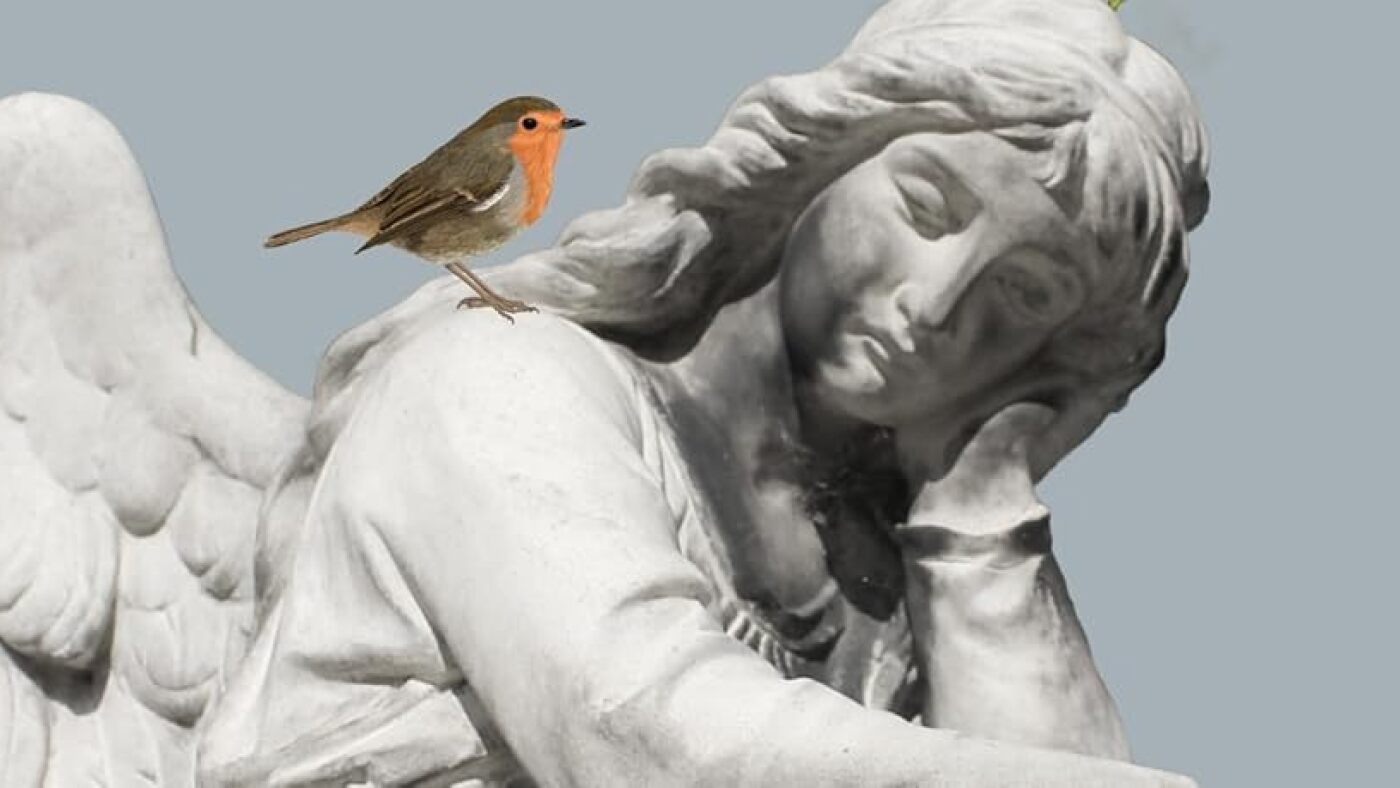
With the banning of pesticides in 2015, the cemetery has transformed into a thriving ecosystem, sheltering diverse flora and fauna. Gallot's photographs, shared widely on social media, offer intimate glimpses into this biodiversity, showcasing creatures like foxes and myriad bird species.
Through visuals and anecdotes, Gallot humorously imagines a legacy enduring beyond his time, joking about using modern technologies like QR codes linked to his social media, adorning his own future gravesite.
Leave a Reply