


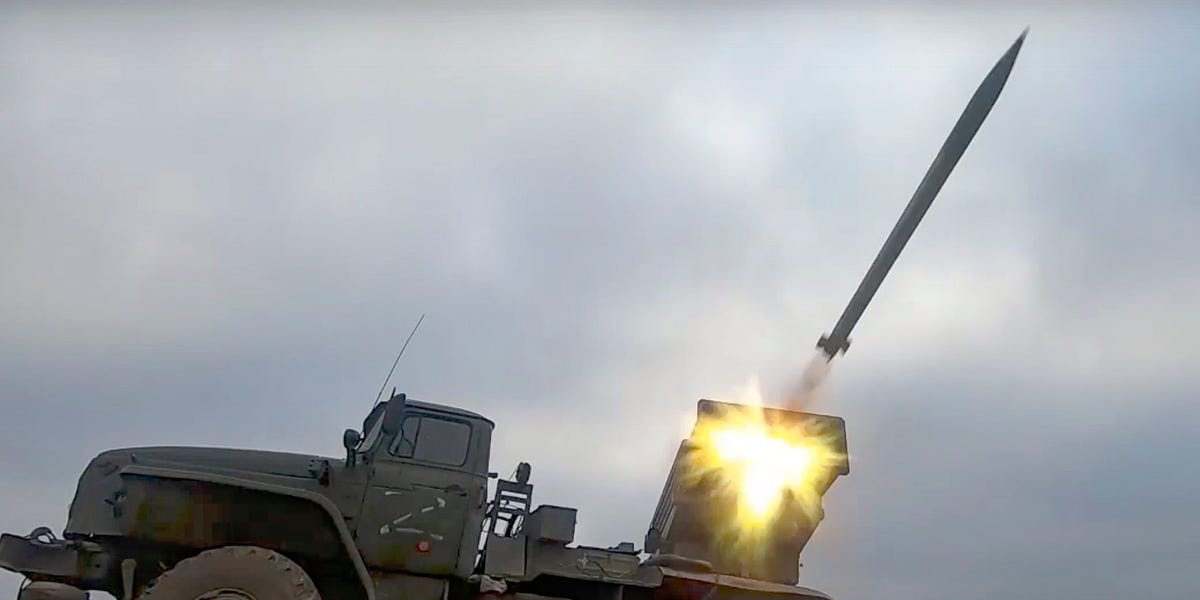
NATO Faces a New Challenge from Russia's Enhanced Artillery Strategy
The efficiency and precision of Russia's military operations, particularly its artillery tactics, have significantly improved since the initial phase of the Ukraine conflict.
Initial Setbacks in Russia's Military Operations
At the onset of the conflict, Russian military efficiency was hampered by an excessively slow transition from target detection to engagement, often taking extended hours to strike desired targets, which proved ineffective against agile Ukrainian troops.
Reports by Federico Borsari, observing technological evolutions in warfare, suggest that the protracted delays in executing artillery and missile strikes rendered these efforts largely ineffective.
The November 2022 analysis by the Royal United Services Institute highlighted internal inefficiencies and self-imposed delays within Russia's military procedures, which often resulted in missed targets.
Inadequate surveillance capabilities, relying on outdated satellites and an insufficient number of drones, further compounded Russia's reconnaissance challenges. Consequently, the efficacy of their tactical strikes was diminished.
Communication difficulties and a rigid command hierarchy, reminiscent of Soviet-era structures, further delayed decision-making, compromising operational responsiveness.
Breakthroughs in Russia's Warfare Tactics
Russia has revamped its approach by deploying an array of drones to gather intelligence, providing diverse perspectives to commanders and significantly enhancing their strategic overview.
By substantially boosting the production of reconnaissance drones, Russia has fortified its intelligence-gathering capabilities, leading to more precise and impactful artillery operations.
Russian forces have begun leveraging these technological innovations to launch targeted and strategic strikes, increasing their effectiveness on the battlefield.
The evolution of command structures has facilitated better integration of various military units, allowing for more coordinated and precise engagements.
Utilization of advanced technologies, including the integration of civilian communication devices, has improved the cohesion and synchronization of Russian military operations.
Implications for NATO and Western Forces
The enhanced capabilities of the Russian military underscore the need for NATO to adapt swiftly, emphasizing the importance of training that promotes agility and rapid response to minimize vulnerability during operations.
Dispersed and agile formations are increasingly being recognized as critical strategies for modern military engagements, reflecting a shift in training paradigms to counter sophisticated adversaries.
Prominent analysts like Sam Cranny-Evans caution that NATO should prepare for a Russian military doctrine that is now marked by precision and lethal effectiveness, diverging from past Soviet-centric approaches.
Targeting the supply chain for advanced Russian military equipment, often dependent on foreign components, has been highlighted as a potential strategy for Western nations to curb Russian military advancements.
Leave a Reply