


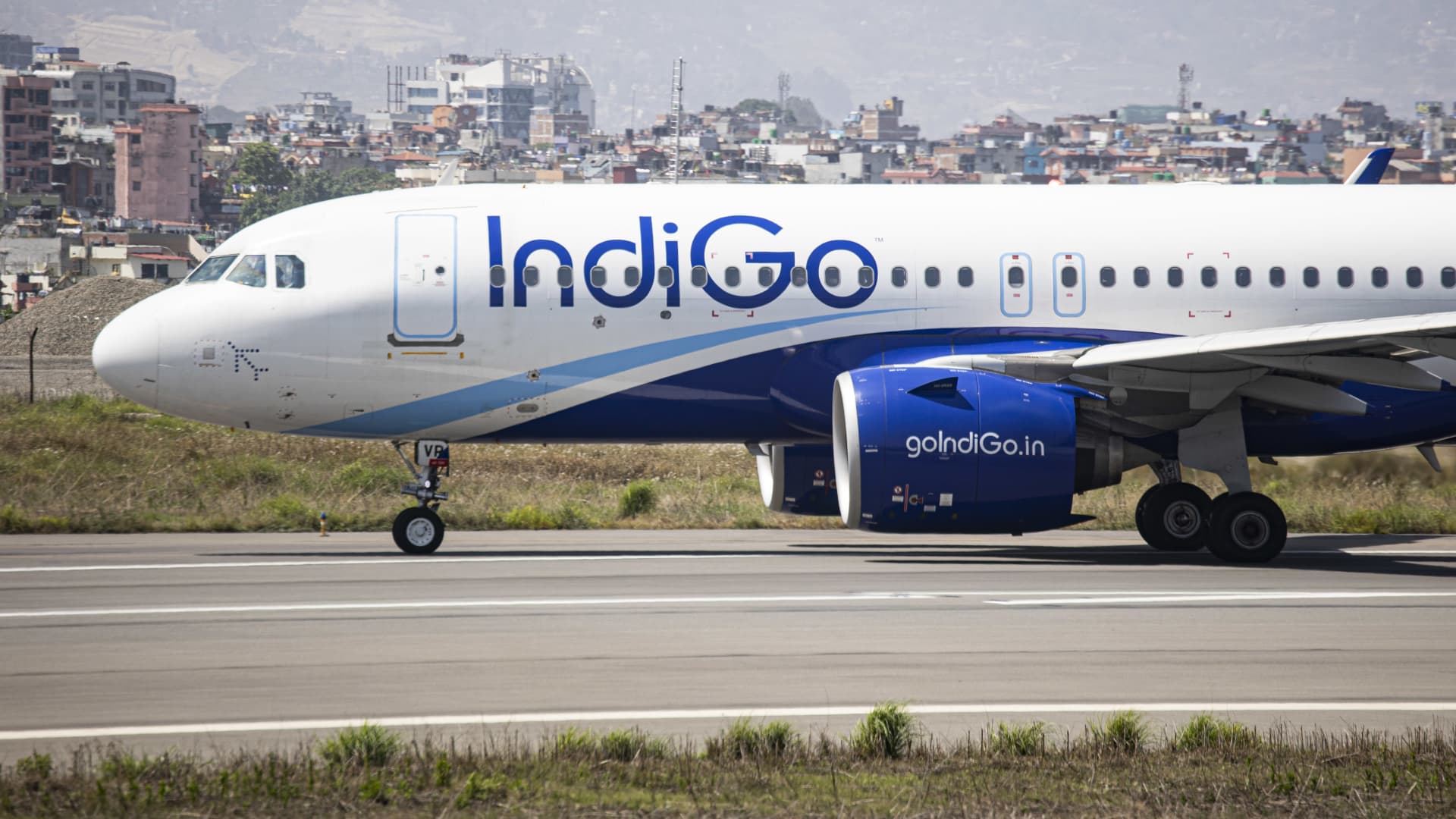
Impact of Pakistan's Airspace Closure on Indian Aviation
The recent decision by Pakistan to close its airspace to Indian airlines has necessitated urgent changes in flight paths for journeys connecting India to Europe, North America, Central Asia, and the Middle East.
As a result, major Indian airlines such as Air India, IndiGo, Akasa Air, and SpiceJet are compelled to operate lengthier and consequently more expensive flights on several westbound journeys. This diversion may require additional fuel stops or, in some cases, even lead to the cancellation of certain routes.
IndiGo, the leading airline in India by market share, anticipates disruptions to a selection of its international flights. Air India has also indicated that flights headed to or originating from North America, Europe, and the Middle East will now take longer routes. Both airlines communicated these updates through social media platform X.
While Air India has not disclosed the exact number of routes impacted, IndiGo has estimated roughly 50 affected routes. Particularly flights heading to destinations like Almaty, Kazakhstan, and Tashkent, Uzbekistan.
Adjustments in Flight Routes and Fueling Procedures
One notable instance involves Air India flight A1101 from New Delhi to New York, which had to make a refueling stop in Copenhagen, significantly delaying its arrival by almost six hours according to FlightRadar24.
The previous day, this flight diverted to Vienna, arriving approximately four hours late.
The closure of Pakistani airspace places Indian airlines at a competitive disadvantage compared to international carriers that have no such restrictions.
While these new flight paths may remind some of how sanctions affected air travel costs over Russian airspace, Pakistan's territorial airspace is notably smaller than Russia's.
Indian airlines are responsible for the majority of international departures in India, with over 9,000 flights scheduled this month alone, according to aviation analytics company Cirium.
Air India has notably scheduled 519 flights heading to Europe and 309 to North America, data from Cirium reveal.
In particular, many flights from northern Indian cities to the Middle East, a critical zone for both Indian tourists and workers, traditionally traverse Pakistani airspace.
According to the 2024 India Tourism Data Compendium, the Middle East comprised almost half (49.3%) of India’s outbound travel in 2023.
Could Flights Become More Expensive?
While the closures have undoubtedly increased operational costs for the airlines, passengers are unlikely to see a significant spike in air ticket prices, suggests John Grant, chief analyst at OAG.
Grant remarked that, while the closure is largely symbolic, it does not create substantial disruptions that would typically cause a fare increase.
Historical data from 2019 when a similar closure occurred saw the airlines collectively incurring losses estimated at around 7 billion rupees ($82 million).
Interestingly, fares to at least one destination have dropped. For example, flights scheduled for New Delhi to Srinagar, traditionally expensive in April, have seen prices fall, with some tickets now selling for $150.
Leave a Reply