


Understanding Japan's Population Decline and Government Efforts to Counteract It
While the global population has crossed eight billion, this growth isn't evenly distributed. Some nations are experiencing demographic contractions, most notably Japan. Since reaching its peak population of 128 million in 2008, Japan's numbers have been declining steadily for over a decade. This has profound consequences for various sectors, including its economy, healthcare, education, and even national security. Although fiscal and monetary policies are within a government's control, encouraging population growth proves to be a much tougher endeavor.
Nestled amidst mountains, Ichinono lies to the west of Kyoto. Despite its small official populace of under 50, the presence of 40 puppet figures brings a sense of greater vibrancy to the village.
Shinichi Murayama, who manages these figures, reminisces about a time when the village was bustling with children. He expresses that while these figures offer some solace, they can never replace real human presence.
This scenario is emblematic of the broader demographic situation in Japan, where many areas, like Ichinono, face dwindling human numbers. The prospect of artificial figures outnumbering actual residents is a genuine concern for the future of these regions.
Japan today paints a portrait of a rapidly diminishing nation. Tokyo, with its bustling lifestyle, stands as a contrast, yet the country's overall birth rates fail to keep pace with mortality rates. Adult diapers surpass sales of baby diapers, reflecting the demographic imbalance.
While climate change and fiscal challenges loom, Taro Kono, a notable figure in Japan's political arena, underscores the demographic crisis as a critical issue. Without adequate young workers, Japan faces economic stagnation and struggles in fields like national defense, where recruitment has fallen short.
The roots of this decline partly lie in Japan's evolving socio-economic landscape. As workplace norms evolve, with women achieving greater career success, traditional family structures also shift, leading to fewer marriages and births.
Cultural changes, including the rise of individual-oriented entertainment, further contribute. Businesses now cater to single lifestyles, with establishments designed for solitary patrons and an increase in non-traditional romantic commitments, such as relationships with anime characters.
Government Initiatives and Cultural Shifts
Efforts to address these trends include technological solutions like AI-driven matchmaking services. Tokyo's administration has rolled out initiatives like a municipal dating app to foster romantic relationships. Additionally, policies like a four-day workweek for public sector employees aim to balance work and family life, hoping to boost birth rates.
Despite these interventions, statistics indicate the strategies might not be as effective as hoped. Persistent low fertility rates highlight the need for broader societal shifts. Hanako Okada, who transitioned from law to politics, advocates for deeper cultural change, emphasizing the importance of decentralizing opportunities away from Tokyo to revitalize rural areas.
Her personal choice to return to her hometown illustrates her belief that robust regional economies could attract young people, ultimately encouraging family growth in less populated areas.
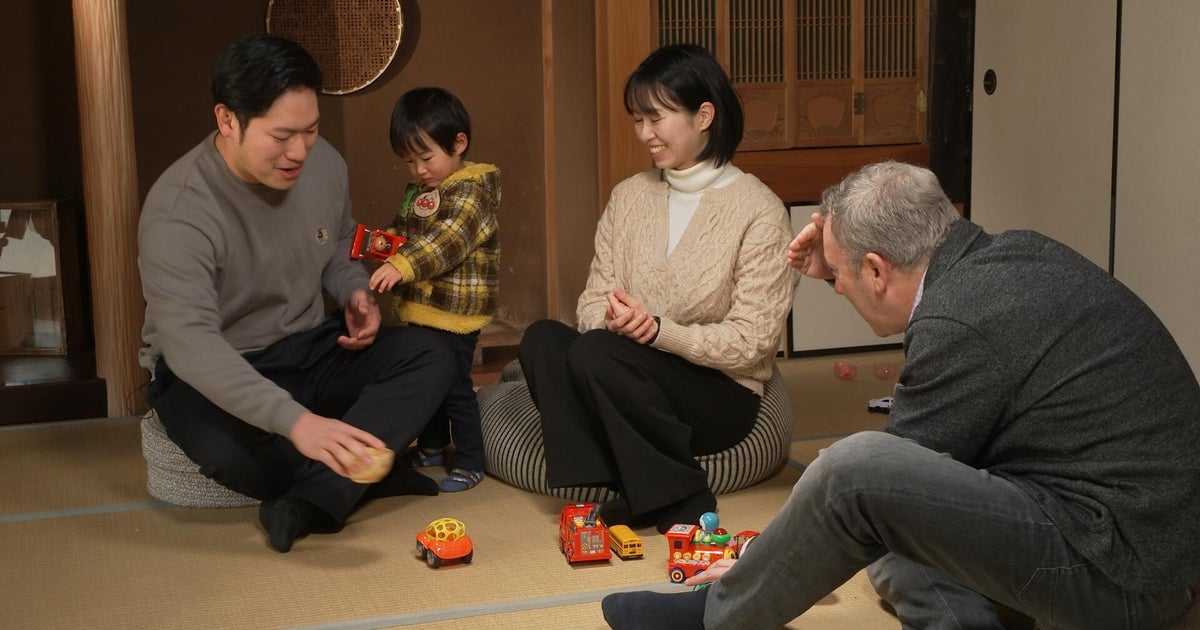
Families like the Katos, who have opted for rural living in the hope of a better quality of life for their children, represent a potential future for Japan. They seek to inspire others by highlighting the benefits of closer ties to nature and community.
Ultimately, Japan finds itself at a crossroads, facing a pressing need to address demographic challenges through both inventive policies and a rejuvenated cultural mindset to preserve its societal fabric.
Leave a Reply