


Trump Vows to Revive Traditional Columbus Day Celebrations
Former President Donald Trump announced his intention to restore the traditional recognition of Columbus Day, moving away from the dual acknowledgment of Indigenous Peoples Day, a change that took place during Joe Biden's presidency in 2021.
In a social media declaration, Trump criticized Democrats for diminishing the historical impact of Christopher Columbus and pledged to bring Columbus Day back to its original form. He accused them of attacking both Columbus' heritage and the pride of Italian-Americans who revere the explorer.
Biden, while in office, became the first U.S. president to formally acknowledge Indigenous Peoples Day alongside Columbus Day, emphasizing the important contributions and resilience of Indigenous communities. His proclamation sought to recognize America's ongoing journey toward true equality, acknowledging the country's failure to fully honor the rights and dignity of Indigenous peoples.
Despite these changes during Biden's administration, Columbus Day continued to be observed as a federal holiday. Biden encouraged honoring both the diverse history of the U.S. and the Indigenous peoples who have played a critical role in shaping the nation.
Activists long advocated for the shift from commemorating Columbus' voyages to recognizing the impact of colonization on Indigenous populations. In response, several U.S. cities and states—such as San Francisco, Seattle, and Denver—chose to celebrate Indigenous Peoples Day, reflecting a broader social movement acknowledging historical injustices.
Nevertheless, many regions, including New York, now recognize both holidays, maintaining traditional parades while also honoring Indigenous Peoples Day. Trump's intent to refocus solely on Columbus Day reflects his broader opposition to revisiting the nation's history through a critical lens on colonial impact.
Historically, Columbus never reached present-day United States territories, but his legacy was embraced as Italian immigrants gained prominence in America, seeking recognition and inclusion. The creation of Columbus Day as a national holiday coincided with efforts to integrate Italian-Americans into the national narrative, particularly after tragic events like the 1891 lynching of Italian immigrants in New Orleans.
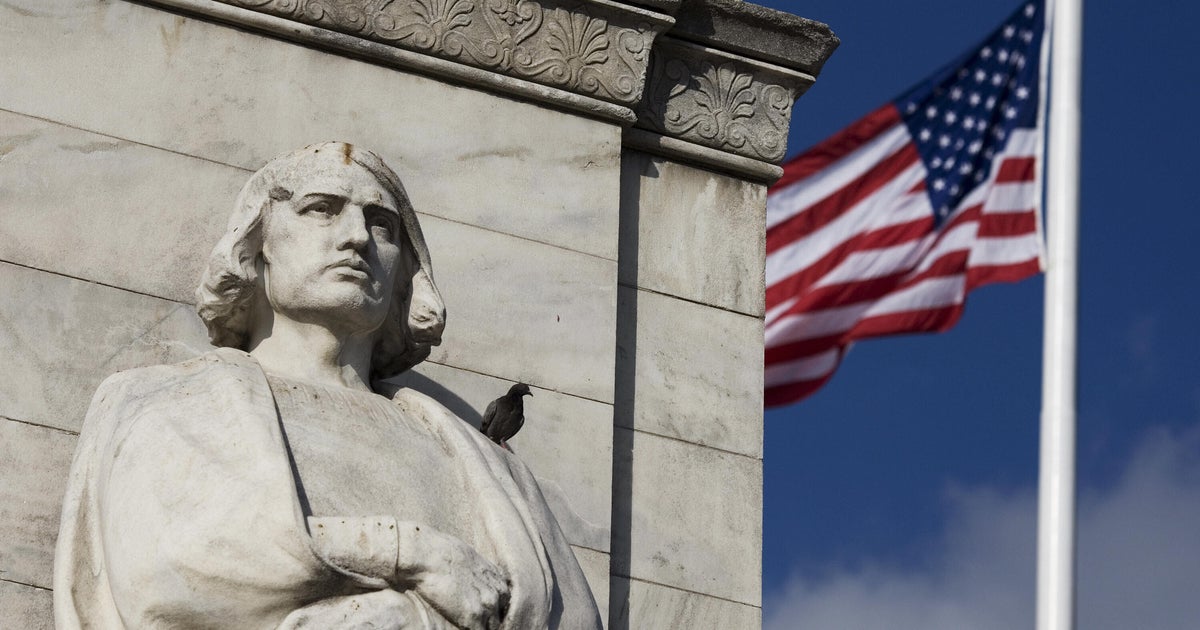
Trump’s previous remarks included opposition to the removal of Columbus statues, which he cited again in his recent announcement. After several statues were either vandalized or removed during protests against racial injustice in 2020, Trump condemned these acts, taking steps to restore vandalized monuments wherever possible.
Leave a Reply