


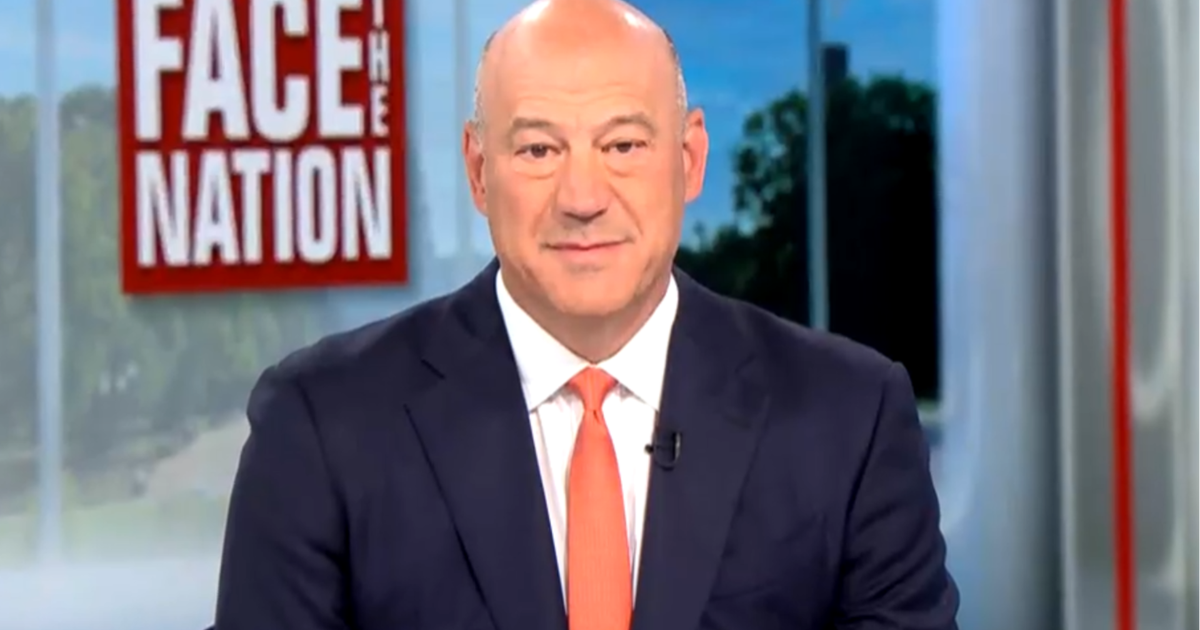
Interview Recap: Gary Cohn Discusses Economic Outlook on 'Face the Nation'
/ Presented by CBS News
MARGARET BRENNAN: We're pleased to have Gary Cohn with us today. Many will remember him as President Trump’s lead economic adviser during his first stint in office. Currently, he holds the position of Vice Chairman at IBM. Welcome, Gary.
GARY COHN: Thank you for the invitation.
MARGARET BRENNAN: This week, we observed a recovery in the stock market, yet our survey results and other economic indicators point towards significant apprehensions, including possible recession forecasts. Can you tell us what you're observing?
COHN: To really understand the current landscape, we need to reflect on the year's optimistic beginnings. The markets were aligned with this anticipation, almost assuming optimal conditions. Fast forward to the present, we're navigating a phase characterized by cautious realism, which unfortunately hampers economic growth. The journey from initial exuberance to today’s unpredictability reflects broader economic uncertainties. Your data reveals this confusion too. Over recent months, early signs of consumer concern, particularly regarding tariffs, have emerged. This sentiment has led to preemptive purchasing, notably of major goods.
MARGARET BRENNAN: They rush to buy now, anticipating future price hikes?
COHN: Exactly. Car sales have soared to near unparalleled levels, driven by tariff avoidance. There’s been a surge in purchases of consumer electronics and household appliances. While these trends portray a robust economy, the narrative shifts when we examine softer data, like consumer mood surveys, which indicate declining confidence. Consumers are growing fretful. This week marked the release of American corporate earnings for Q1.
MARGARET BRENNAN: Indeed.
COHN: These earnings provide a backward glance, but offer insights into the future. Leading consumer brands have shared strong Q1 outcomes but express caution over Q2. For instance, companies like Chipotle, snack suppliers such as Pepsi, and multiple airlines report challenges ahead. The unpredictability theme recurs as consumers focus on essentials amidst price uncertainty.
MARGARET BRENNAN: There’s also an element of scarcity, as retail leaders informed White House representatives this week that shipping from China via container ships has plummeted by over 60%.
COHN: Precisely, and that's stark evidence. There’s a substantial lag from production in China to sales shelves in the U.S.—roughly eight weeks. Tariff impositions on April 2 mean consequences are felt by early May. Upcoming weeks will reveal the full impact as supply chain disruptions ripple through.
MARGARET BRENNAN: As of now, the Treasury Secretary confirms there's no immediate renewal of U.S.-China trade discussions. The implications are clear; it won't be resolved swiftly.
COHN: Although he noted the untenable state of U.S.-China relations, underscoring the necessity for negotiations.
MARGARET BRENNAN: He labeled it a trade conflict, then?
COHN: He alluded to it, albeit cautiously. This focal point highlights our dependency on China's goods for consumer supply.
MARGARET BRENNAN: This was anticipated.
COHN: It’s longstanding knowledge, previously communicated to President Trump.
MARGARET BRENNAN: In parallel, President Trump suggested potential Federal Reserve interest rate reductions to counterbalance current issues. He has retreated from replacing the Fed Chair. Is a rate cut prudent?
COHN: The Fed exercises its independent mandate to ensure employment stability and target inflation around 2%. With employment levels robust and inflation hovering near 2.4%, drastic measures seem unwarranted. However, tariff impacts hint at inflationary pressures even if transient.
MARGARET BRENNAN: The President claims tariff-induced price increments are offset by tax relief, yet challenges remain, particularly for those earning below $200,000.
COHN: Implementing changes by Memorial Day seems ambitious. Tariffs disproportionately impact lower-income earners because they allocate most of their income towards essentials, intensifying their burden relative to higher earners. Our conversation underscores the regressive nature of tariffs—poorer individuals bear the brunt.
MARGARET BRENNAN: We'll pause here, but it's something that demands continued attention. Thank you, Gary.
COHN: My pleasure.
MARGARET BRENNAN: Stay tuned, as 'Face the Nation' resumes shortly.
Leave a Reply