


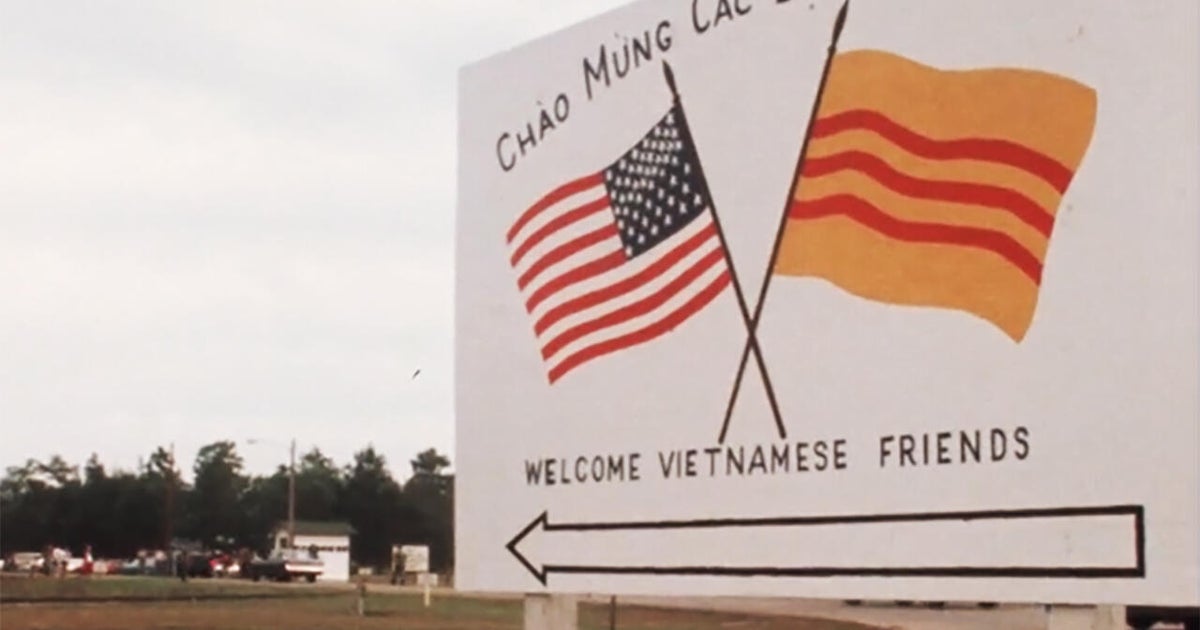
Gerald Ford's Role in America's Refugee Commitment
Half a century ago, as Saigon fell and the Vietnam War drew to a close, President Gerald Ford found himself at a pivotal decision point. Numerous South Vietnamese individuals, fearing the repercussions of communist rule, sought refuge in the United States. However, public sentiment was deeply divided, with many Americans resistant to the idea of welcoming a large number of refugees. Historical reporting by Lesley Stahl highlighted the flood of negative responses hitting Capitol Hill, including comments from people in Nebraska expressing fears about disease and moral decay.
During this period of high unemployment, due to a near 9% jobless rate, integrating impoverished Vietnamese immigrants into American society seemed impractical to some.
Still, Ford perceived a clear ethical imperative: 'We owe a moral duty to thousands of South Vietnamese intellectuals and professionals who supported our efforts and alliances,' he remarked.
To address this, Ford oversaw airlift operations that rescued around 130,000 South Vietnamese refugees. He also enacted legislation that provided necessary relocation and financial supports.
He orchestrated cooperation among diverse groups, including religious organizations, governors from the southern states, and labor unions, to ensure refugees were housed and employed.
Initially dependent on government aid and accepting low-wage jobs, these refugees gradually achieved self-sufficiency. Over time, many became business owners and community leaders, significantly enriching the American social fabric. Among their ranks were prominent figures like federal judges, a Pulitzer Prize writer, and a Hollywood Oscar recipient.
'My journey commenced on a small boat,' recalled Ke Huy Quan from 'Everything Everywhere All at Once.' 'After a year in a refugee camp, I ended up in Hollywood.'
Embracing these refugees wasn't merely an ethical decision for Ford; it was a strategic one, recognizing that America's diversity is a key component of its strength. His actions exemplified empathy, boldness, and moral insight—qualities imperative for today’s leaders.
Leave a Reply