


Justice Department Revokes Protections for Journalists in Leak Probes
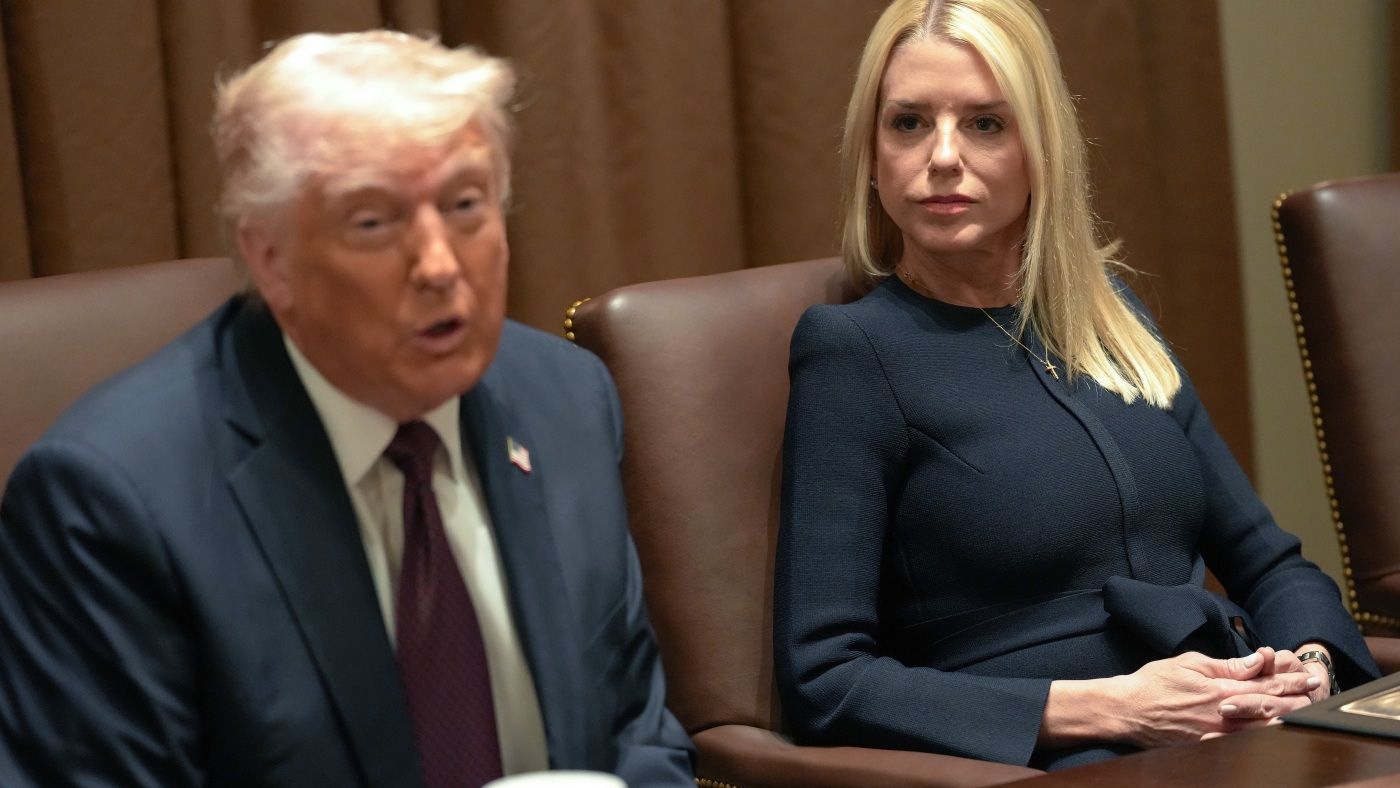
Attorney General Pam Bondi announced significant changes in the Department of Justice's approach toward leak investigations involving the media. Protections established during the Biden administration are being rolled back, meaning journalists could again face subpoenas and be compelled to provide testimony in investigations targeting sources of leaks.
Pam Bondi, in a considerable policy shift, emphasized how detrimental unauthorized leaks can be to governmental integrity. She stated that such leaks compromise the Department of Justice's ability to enforce the law and protect citizens, calling the actions by leakers both illegal and detrimental.
The memo clarifies the DOJ's stance, allowing for more aggressive legal actions like subpoenas and search warrants against journalists, but with stipulated conditions. These actions require prior approval from higher authorities within the department, and journalists should ideally be informed in advance. The scope of these actions is meant to be as limited as possible to avoid interfering unnecessarily with journalistic activities or handling of potentially sensitive materials.
Under the Biden administration, there were restrictions on accessing reporters' records for leak investigations, barring exceptional scenarios.
Bondi’s directive dramatically shifts this policy. It reinstates a more proactive investigative stance that aligns with strategies used during former President Trump's administration. Specific examples from that era were noted, such as disclosures relating to intelligence evaluations concerning Venezuela and incidents involving government advisors.
While acknowledging the importance of journalistic freedom, Bondi expressed a commitment to protecting it within certain constraints. She detailed procedures such as obtaining enhanced permissions and prior notifications before compelling journalists to disclose information.
Furthermore, Bondi stressed that any action involving the questioning or arresting of press members must gain her approval.
Reactions from Press Freedom Advocates
Bruce Brown, head of the Reporters Committee for Freedom of the Press, highlighted the significance of protecting journalistic processes for the broader public interest. He stated that preserving journalists' ability to safeguard their sources is crucial to democratic accountability and has historically facilitated landmark reporting efforts, ranging from the Watergate scandal to investigations of government surveillance.
Leave a Reply