


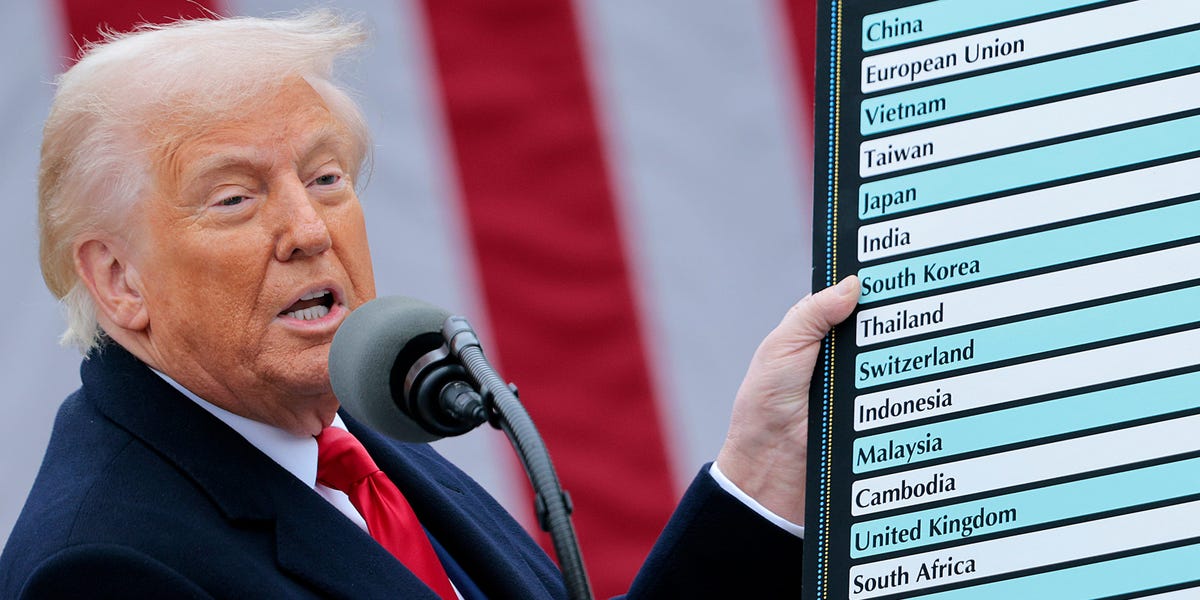
Expected Impact of Trump's Tariffs: Increased Prices and More Empty Shelves
President Trump’s imposition of tariffs is already causing significant disruptions within supply chains, and experts predict the situation will worsen.
Insights from nine specialists in supply chain logistics and shipping reveal that if Trump maintains this tariff strategy, consumers may soon face intense price spikes and shortages.
In the coming weeks, shelves may look sparser and product costs could surge, potentially running out sooner, particularly for some goods.
Continued pressure could lead to further economic issues by year-end, including job losses, market volatility, and international tension.
Decreased Shipping and Freight Impact
The introduction of sweeping tariffs has drastically reduced ocean freight bookings. Though a temporary halt for certain goods was placed, his tariffs of 10% globally and 145% on Chinese products remain.
Data has shown a steep 50% downturn in shipping activity following this decision, with imports from China to the US slumping by 36%, and further declines persist.
This shift has far-reaching implications, as highlighted by Bob Ferrari, an expert in supply chains, who notes that the current system cannot cope with these changes.
Inventory Concerns and Shipping Cancellations
Many companies had initially increased their stock as a buffer against potential tariffs. However, this safety net is quickly diminishing.
Chris Tang, a professor specialized in global supply chain dynamics, explains that firms are pausing new orders amid these high tariffs, leading to rapidly dwindling stock levels.
Canceled shipments, especially from Asia, showcase an alarming trend of increasing scarcity in incoming goods to US coasts, disrupting the usual flow of seasonal merchandise.
Sean Henry noted reduced variety in retail sectors, aggravated by brands narrowing their offerings, impacting what consumers encounter on store shelves.
Flexport CEO Ryan Petersen warns that without tariff reductions and resumed bookings, inventory shortages unseen in modern times may occur.
Price Swings and Economic Shockwaves
Bob Ferrari predicts that low-margin goods will experience rapid price surges along with supply deficits, impacting consumer habits before summer ends.
Nick Vyas explains that significant inflation rates will lead to lesser consumer purchasing power, dampening demand and slowing economic activities.
The imbalance between reduced demand and surplus supply, compared with initial COVID-19 disruptions, could severely destabilize retail markets.
Long-Term Outlook and Potential Global Repercussions
Without lowering tariffs, US could face significant challenges, with consumer costs soaring and businesses struggling under changing policies.
Margaret Kidd underscores that Americans bear the burden of these strategies, particularly if new tariffs on diverse imports take hold.
Petersen notes that halted bookings are already harming business operations, risking closures and cascading job losses in multiple industries.
The bigger picture hints at a perilous path: disrupted trade could damage longstanding alliances and fuel global economic disorder.
Despite the grim outlook, experts hope the 90-day respite leads to strategic negotiations and positive changes before more damage is done.
Leave a Reply