


South Korea Urges Structured and Peaceful Trade Dialogues with the U.S. Anticipating a Tariff Agreement by Early July
Seeking to avert impending trade tariffs, South Korea has advocated for composed and systematic dialogues with the United States, intending to establish a trade agreement by July.
Bilateral Discussions in Washington
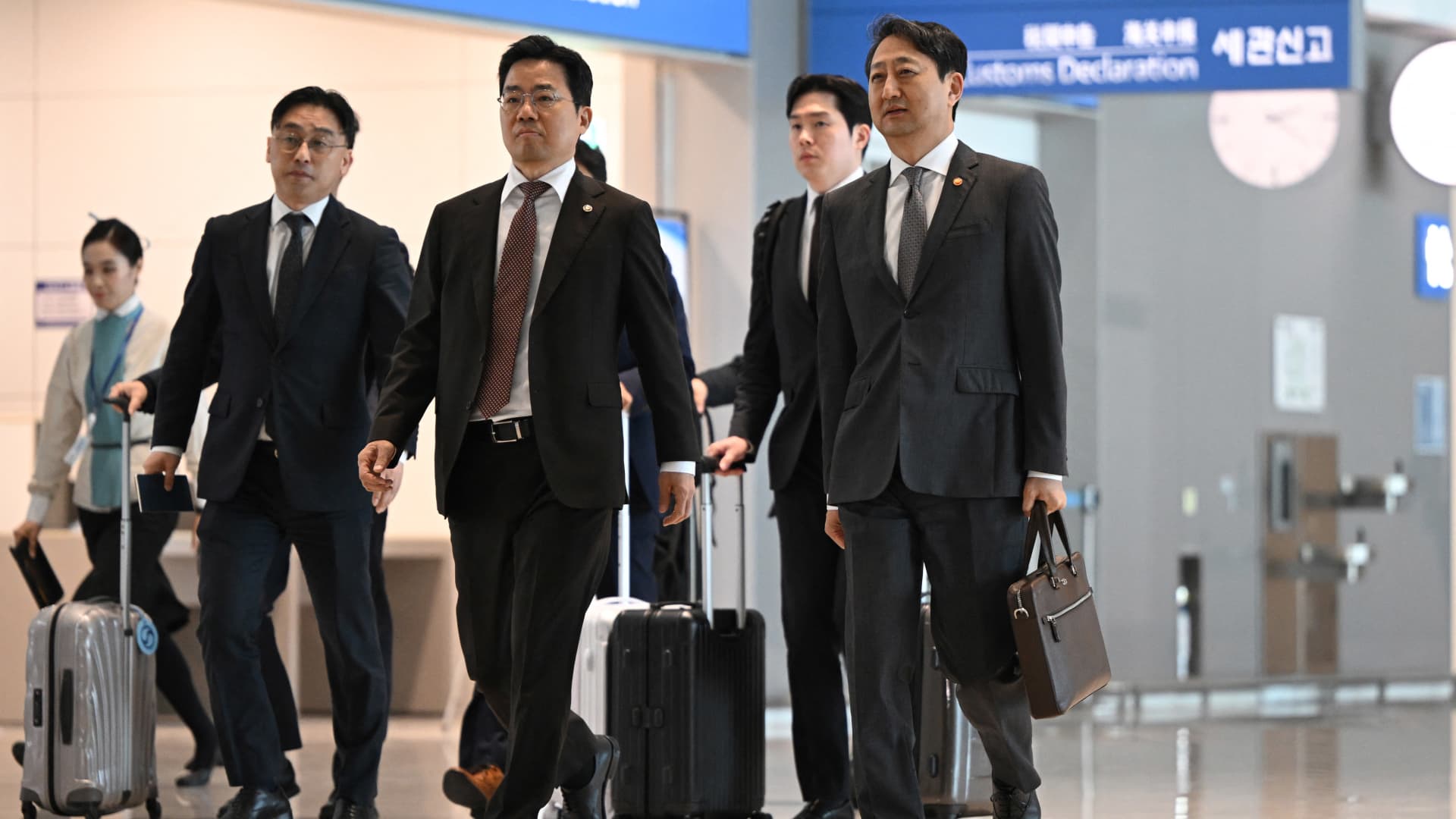
During strategic '2+2' discussions held in Washington, D.C., South Korea’s Finance Minister Choi Sang-mok joined forces with Trade, Industry and Energy Minister Ahn Dukgeun to engage with U.S. Treasury Secretary Scott Bessent and U.S. Trade Representative Jamieson Greer.
Choi highlighted that the upcoming negotiations will concentrate on four primary areas: tariff and non-tariff issues, economic security measures, fostering investment ties, and aligning monetary policies.
Proposals for Mutual Benefits
In his statements, Choi pushed for solutions that would benefit both nations while also conveying South Korean concerns regarding tariffs, echoed in a CNBC summary.
This trade deal, sought fervently, is timed with the conclusion of President Donald Trump’s 90-day pause on new tariffs, set to end on July 8.
Choi underscored the reliability of South Korea as a strategic partner during these discussions.
Suggestions for Collaboration
Minister Ahn proposed avenues for mutual contributions towards reviving the U.S. shipbuilding industry, promoting sustainable trade, and ensuring energy security between the two nations.
Ahn also called for specific tariff exemptions, emphasizing reciprocity in trade relations, as mentioned in subsequent meeting reports.
Anticipating Challenges
Both parties agreed on the necessity for ongoing detailed talks and high-level future negotiations to achieve concrete results.
Despite a waiver on reciprocal tariffs, South Korea still grapples with a 25% tariff on steel, aluminum, and automotive exports to the U.S., which significantly impacts key sectors like Hyundai and Kia.
Political Impacts on Negotiations
An analyst note from ANZ highlighted that while there is optimism about reaching a trade deal, political changes in South Korea post-June elections could influence the trajectory and timing of these negotiations.
Leave a Reply