


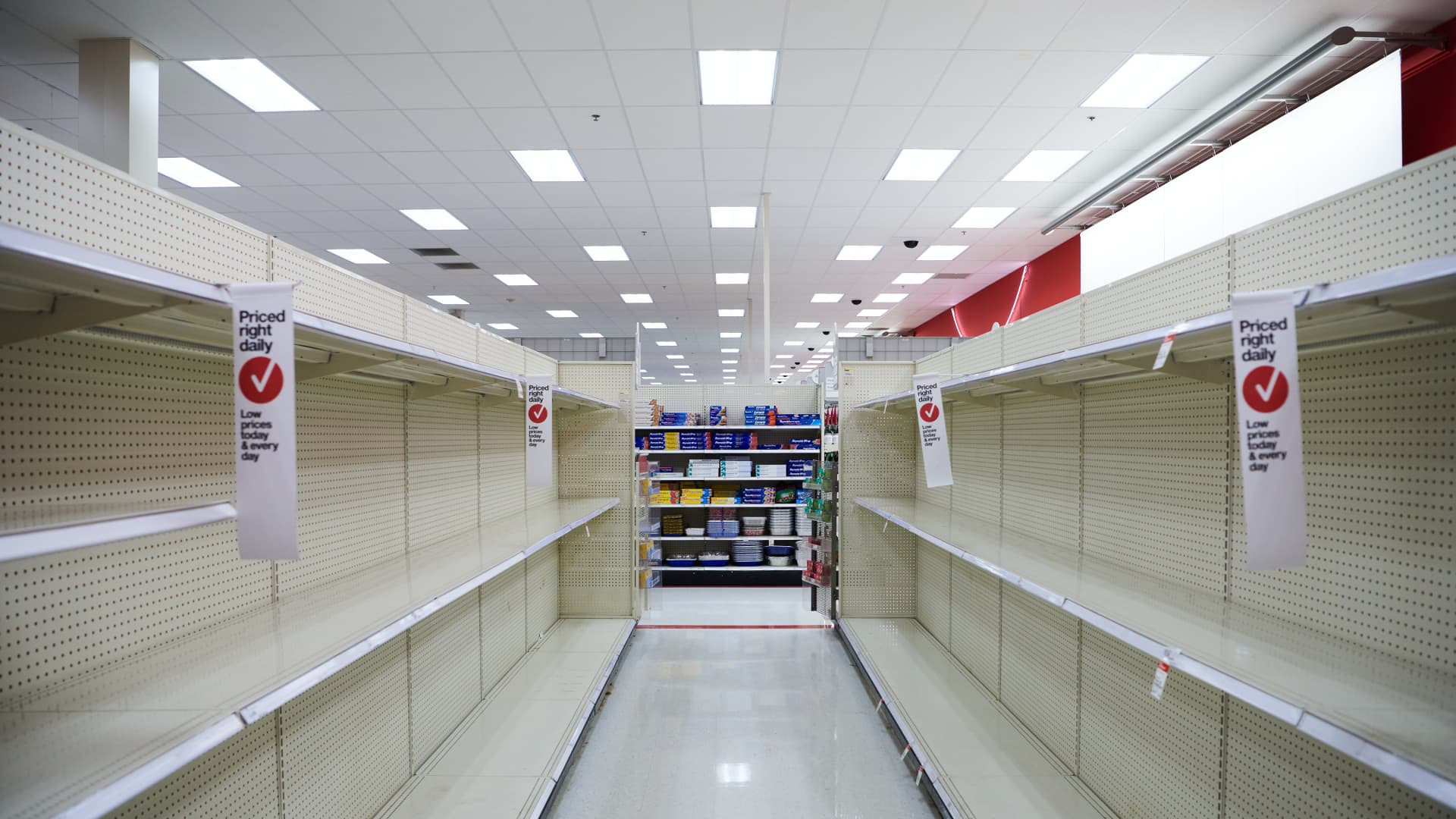
The Trade War with China and Retail Shortage Risks
Accusations of vanishing products from store shelves are making headlines, suggesting that an extended trade war could significantly disrupt supply lines.
The pressing questions are: when might these shortages become apparent, and which items will be most affected first?
A downturn in the manufacture of goods in China and a drop in bookings of Chinese shipping to the U.S. are already straining the nation’s supply networks. At what point does this pressure become critical, requiring fresh orders to revitalize the retail supply network?
Impact on Apparel and Footwear
In the apparel and footwear industry, 2024 figures show that China was the source of nearly 37% of U.S. apparel and 58% of footwear imports. Steve Lamar of the American Apparel and Footwear Association notes that the substantial tariff hikes function much like an import prohibition.
While the baseline tariff averaged around 18.5%, additional duties skyrocket this figure, sometimes exceeding an overwhelming 200%. Given the heavy reliance on Chinese production, companies had minimal opportunity to alter sourcing strategies following the tariff imposition, leading to likely shortages as inventory orders are cancelled or deferred.
Strategic Adjustments by Retailers
Retailers like Walmart, IKEA, and Target have adjusted their orders from China as part of strategies to counteract tariff impacts. Data indicates a noticeable decline in such imports, highlighting attempts to navigate the precarious balance of supply and demand.
Changes in Freight Patterns
The frequency of Chinese cargo ships reaching U.S. shores has decreased, contingent upon the duration of these unsustainable tariff levels. Whether President Trump's administration will lower tariffs remains to be seen, but if the status quo continues, U.S. consumers might face sustained shortages. This will particularly be the case if China focuses on other global markets, forcing the U.S. to vie for manufacturing resources.
Upcoming months will serve as a barometer for the trade supply chain's health, noted Michael Salerno from FNBO. His firm monitors container volumes reaching U.S. ports to gauge the situation's trajectory.
Falling Numbers of Shipping Operations
According to Sea-Intelligence, a significant portion of shipping operations to North America were cancelled unexpectedly, revealing tight shipping schedules that complicate planning.
Early Indicators of Product Shortages
Economical and fast-selling items are the first to vanish from store aisles under tariff pressures. Experts say the U.S. retail model’s reliance on speed and volume means that any disturbance, whether from customs hold-ups or other supply constraints, affects low-margin, swift-selling merchandise first.
Price-conscious goods like toys, games, and affordable home wares may face empty shelves imminently. As the lead time shortens and tariffs take hold, items like seasonal children’s goods and apparel will likely follow suit.
Even for electronics, where final assembly may occur outside of China, many components originate there. Thus, supply disruptions may lead to notable gaps, especially for commonly refreshed products like phones and earbuds.
Retail Strategy Modifications
Stores such as Home Depot, amid declining Chinese orders, are selectively boosting imports, capitalizing on any short-term supply opportunities.
As the trade dispute unfolds, both physical stores and online retailers must brace for difficulties, highlighted by adjustments such as cargo preloading to mitigate tariff risks. However, reports project future downturns in shipment volumes due to delays and high tariffs.
Jonathan Gold from the National Retail Federation points towards less choice and higher costs for consumers, especially young and small enterprises navigating these new challenges. With critical holiday sales prep in play, the variable tariffs present an uncertain business landscape.
Leave a Reply