


Is Your Beloved Boba at Risk Due to Imminent Tariffs?
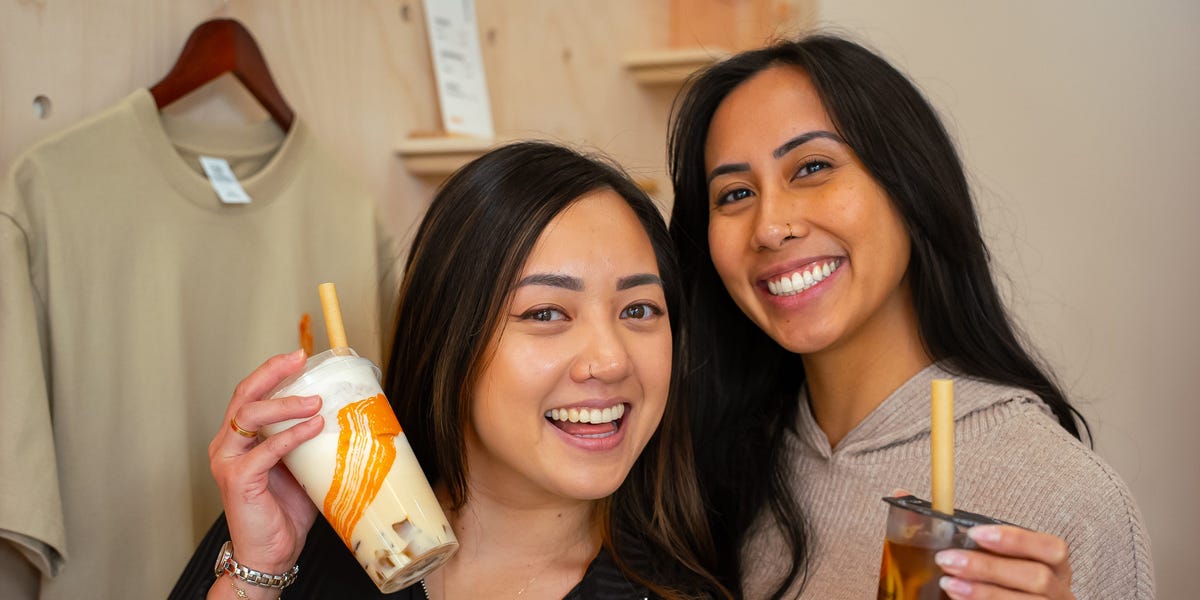
Jeren Calinisan and Dominique Nguyen are anxious about the future cost of one of their cherished indulgences: boba tea. Known for its sweet taste and the chewy tapioca balls that populate the beverage, its price may rise due to tariffs.
Nguyen expressed her surprise as she enjoyed a cup of jasmine silk boba milk tea, saying, "Paying $8 for boba is the steepest I've ever done."
In mid-April, following a stop at a Pasadena café named Odd One Out, they discussed possible tariffs announced two weeks prior by President Trump, which were temporarily delayed for three months. Uncertainty clouds tariffs on China, another main boba provider, intensifying apprehensive preparations among tea shops and devotees for inevitable price rises.
Being an avid boba consumer in Los Angeles has always felt pricey to Calinisan, a 29-year-old who indulges about twice monthly. Both Filipino and Vietnamese American, they both fondly remember boba as a defining part of their Bay Area upbringing.
The American appetite for this Taiwanese delicacy has surged, with large chains like Starbucks and Jack in the Box wanting a piece of the pie too. The U.S. imported 38 million pounds of tapioca from Taiwan in 2024, a stark increase from previous years.
The small-scale tea brand Odd One Out, known for its silk boba—a blend of tapioca and jelly—is aiming to cushion the impact of tariffs by amassing stock in advance.
Co-founder Patrick Sun explained their urgency to stockpile crucial ingredients from Taiwan, despite difficulties in sourcing them domestically. He admitted, "Our commitment to quality means it inevitably affects our profit margins."
Boba's chewy consistency stems from tapioca starch derived from cassava, a plant thriving in Southeast Asian climates, according to David Fan of US Boba Company, which supplies 2,000-plus stores nationally. Cassava's cultivation is limited in the U.S., keeping local manufacturing at a nascent stage.
Tariffs threaten components required for boba brewing, like machinery, tea, and specific drinkware. These tariffs could raise manufacturing costs by 20% to 30%, states Fan, with the company heavily reliant on China and other Asian imports.
At present, US Boba Company's boba costs $11.99 per pound, making approximately 10 servings. With tariffs, each drink's price could rise by $1, Fan cautions.
Sun anticipates an 8% to 15% cost increase due to tariffs but does not intend to raise consumer prices despite a potential 5% profit dip.
Boba Chains Brace for Financial Impact
CoCo Bubble Tea, a widely recognized chain, prepared by stockpiling a quarter’s worth of inventory, according to Kody Wong, the business development director. Price stability is expected for the next few months even if tariffs are enforced.
Looking ahead, Wong sees potential shifts in their menu to local options, including different flavored juices. He reflects on cost management strategies preceding tariffs, like self-service kiosks.
Fan warns that long-term price freezes are unsustainable for businesses aiming for profitability amid tariff risks.
A Personal Sacrifice for Boba Lovers
At a nearby arcade café, boba enthusiasts Julianna Martinez and her coworker shared feelings of inflation-induced financial pressure over their favorite drink.
Now 23, Martinez nostalgically recalls when tapioca add-ons cost mere cents. Economic constraints now mean foregoing extras, "I prefer the taste, but prioritize my budget," she laments.
Calinisan refuses to abandon boba, despite potential financial strain. "I can't replicate it at home," she insists, justifying the expense.
Do you have insights on how tariffs are impacting you? Reach out to this reporter at jdeng@businessinsider.com.
Leave a Reply