


Effectiveness of Protests Against the Trump Administration
Historical Inspirations for Modern Protests
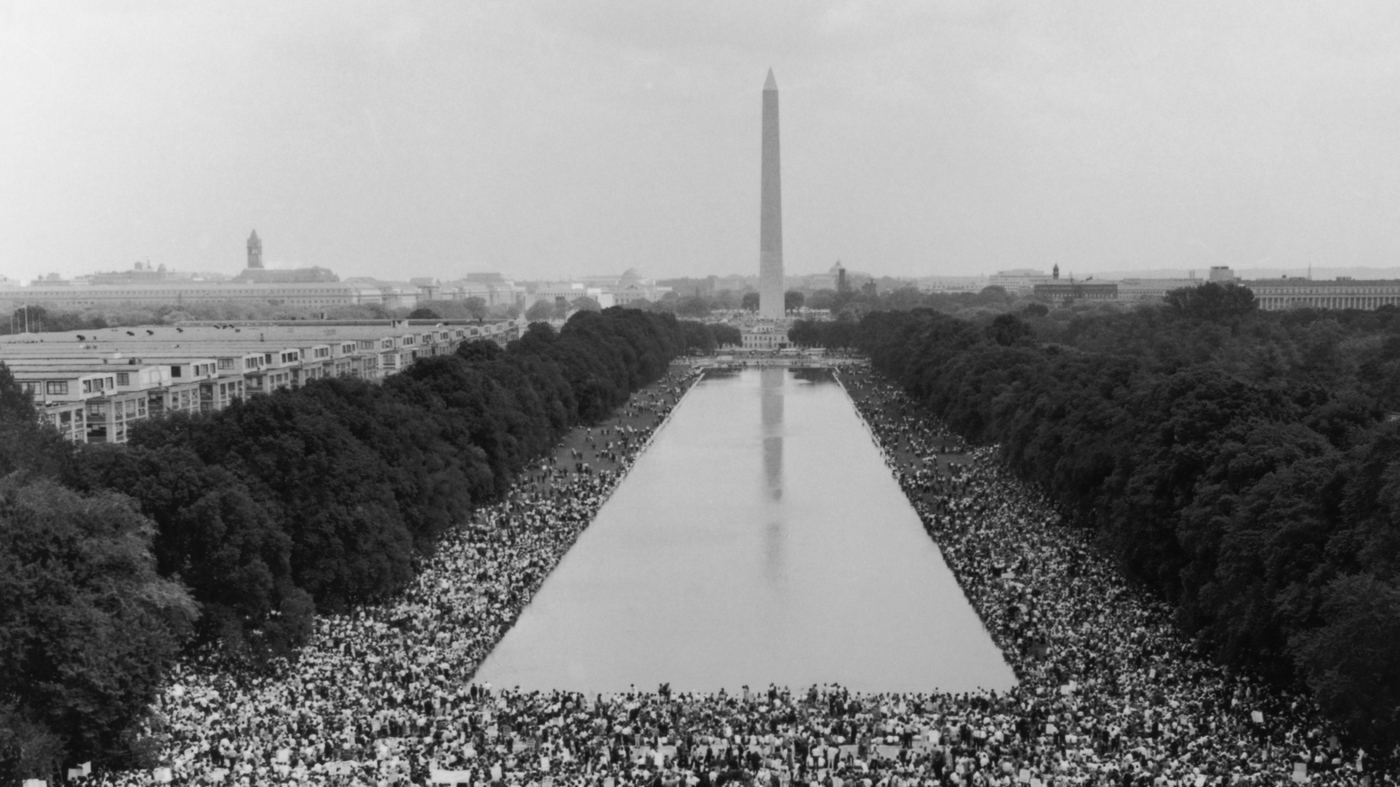
When considering successful protest movements, the American Civil Rights Movement of the 1960s often stands out. Particularly notable was the March on Washington in 1963, where Martin Luther King Jr. articulated his iconic 'I Have a Dream' speech. This event paved the way for substantial legislative progress, with President Lyndon Johnson enacting the Civil Rights Act nine months later, followed by the National Voting Rights Act of 1965.
This pursuit of equality, ignited on that pivotal August day, continues to inspire Americans. Over the intervening decades, numerous groups have leveraged the blueprint of these historical protests in an attempt to fulfill various political ambitions. But the critical question remains: Are these mass demonstrations effective?
Protests in the Trump Era
In more recent times, there has been a wave of protests aimed at critiquing and opposing the policies of the Trump administration. These gatherings reflect a collective desire among many Americans to challenge governmental actions perceived as unjust or detrimental. Yet, the assessment of their success remains a complex endeavor.
With the advent of immediate global communication and social media platforms, the nature of protests has evolved. The question of their effectiveness now hinges not just on legislative achievements but also on their ability to influence public opinion and societal norms.
Measuring Impact
To truly gauge the impact of these contemporary movements, one must consider both tangible outcomes and the subtler shifts in social consciousness they may trigger. Legislative changes, while significant, represent just one facet of their success; fostering awareness and galvanizing public support are equally vital.
Thus, while the constraints and challenges of shifting political landscapes are undeniable, these movements continue to play a crucial role in the democratic dialogue.
Leave a Reply