


Consumer Brands Adjust to Reduced Profit Expectations as Tariffs Influence Spending Choices
In recent financial forecasts, major consumer product companies are predicting a downturn in profits due to the impact of tariffs, leading consumers to scrutinize their purchasing habits.
A notable number of corporations have recently revised or withdrawn their annual forecasts amidst the ongoing earnings season, with several more economic reports expected in the coming weeks.
For many businesses, tariffs have resulted in increased costs for essential goods such as Peruvian avocados and ingredients like saccharin used in toothpaste manufacturing, thus impacting profit margins significantly. Moreover, the prevailing uncertainty from ongoing trade tensions is equally detrimental, as consumers begin to restrict their expenditures.
Escalating Costs to Combat Reduced Earnings
Currently imposed tariffs have made products such as coffee, board games, and aircraft more costly for manufacturing. Numerous company leaders are inclined to hike prices as a strategy to counteract declining profit margins.
Across global markets, including retaliatory and not just U.S.-imposed tariffs, the pressure is mounting, potentially stalling advancements in improving supply chains for industries like aerospace. This industry, in particular, benefits from a trade surplus, which slightly offsets broader trade imbalances.
Industry calls to revive a longstanding agreement allowing the aerospace sector to largely operate without duties are growing, accompanied by broader demands for tariff exemptions across various sectors.
Unless there are reductions in tariff rates or exclusions for certain goods, price increments are likely across sectors outside of travel. P&G, known for its household products, has announced potential price adjustments to mitigate increased production expenses.
A Cautious Consumer Climate
While tariffs will gradually influence retail prices, they are already impacting consumer sentiment.
Recently, consumer confidence in the U.S. has diminished significantly, reaching its lowest point in decades, prompting shoppers to cut back on spending due to fears of inflation spikes, job cuts, and potential economic recession.
P&G's CFO, Andre Schulten, commented on this trend, noting that consumer apprehension is prompting reduced spending, affecting earnings forecasts with an anticipated lower growth trajectory.
The company's reduced projection takes into account its weaker third-quarter sales, which failed to meet stock market analysts' expectations. This behavior reflects a selective approach by consumers opting to delay purchases.
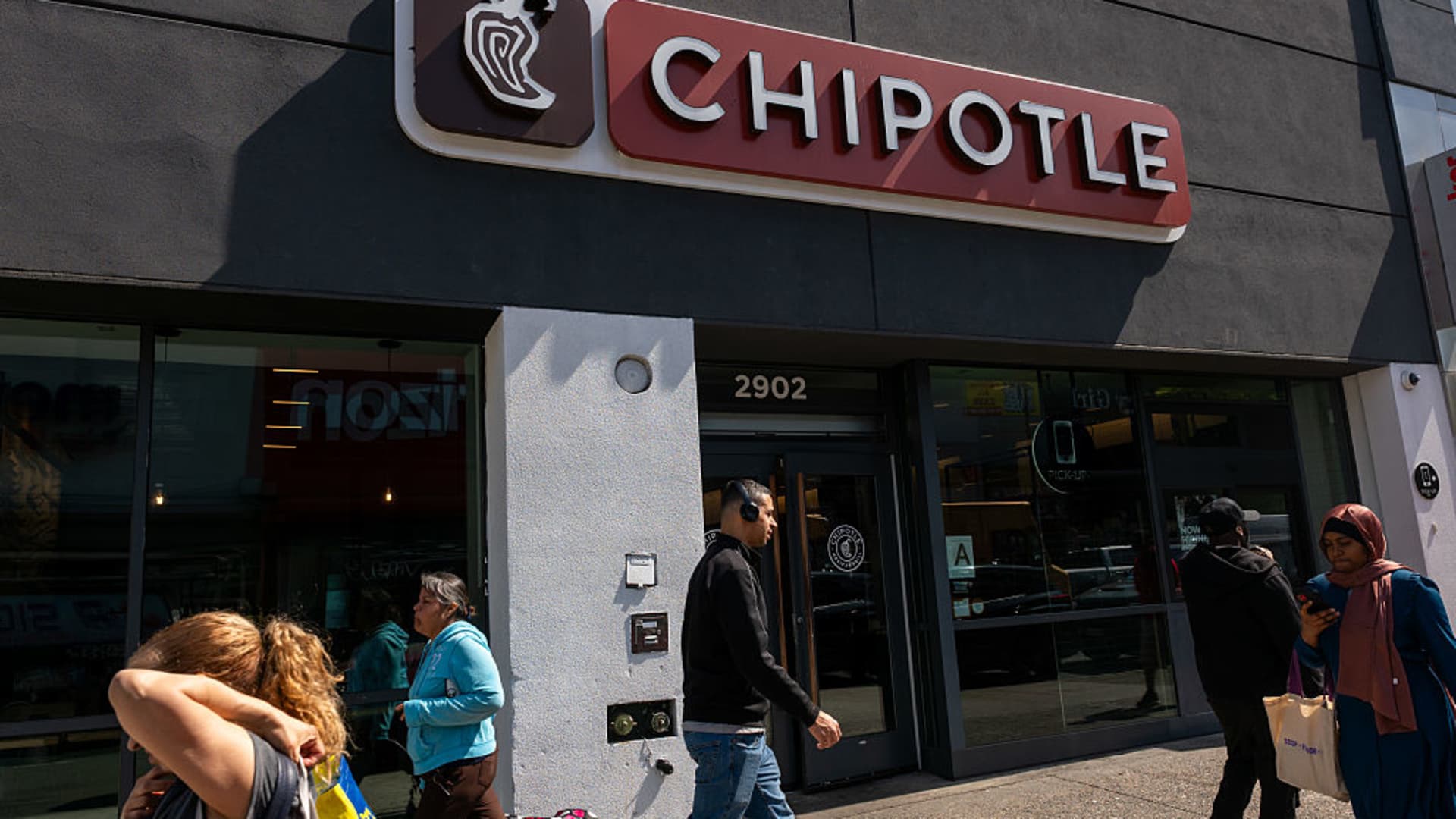
Chipotle, reporting as the first major publicly-traded restaurant chain, detailed similar struggles. Customer visits began dropping noticeably since early this year due to growing financial concerns, and this trend showed persistence into spring.
The company's CEO pointed out data reflecting consumers prioritizing savings as economic instability weighs heavily on dining-out habits.
In a broader context, job reduction fears tied to shifting costs have been highlighted by various executives, particularly within airline sectors seeing diminished demand, especially for economy-class seating.
Leave a Reply