


Audiences Clamor for New Perspectives—Sex, Vampires, and More
Kyle Brett sensed that Ryan Coogler's new chilling supernatural film would attract audiences in droves during its opening weekend. But he was acutely aware of the repercussions of a potential flop.
"Achieving success from an original horror flick—or any new concept film—is incredibly challenging," says Brett, a former legal specialist at Netflix who now holds a creative executive role at Blumhouse, the production powerhouse behind successful franchises. "If it had failed, the future for unique films would look bleak."
On the eve of the movie's U.S. release, Brett was optimistic, predicting a $60 million weekend solely based on the interest he observed from conversations with Black viewers. The win wasn't just a prediction; it materialized into record-breaking box office numbers. This not only proves the film's draw but cements it as a pop culture sensation.
Most crucially, it defies the long-held belief in the industry that the masses shy away from original storytelling.
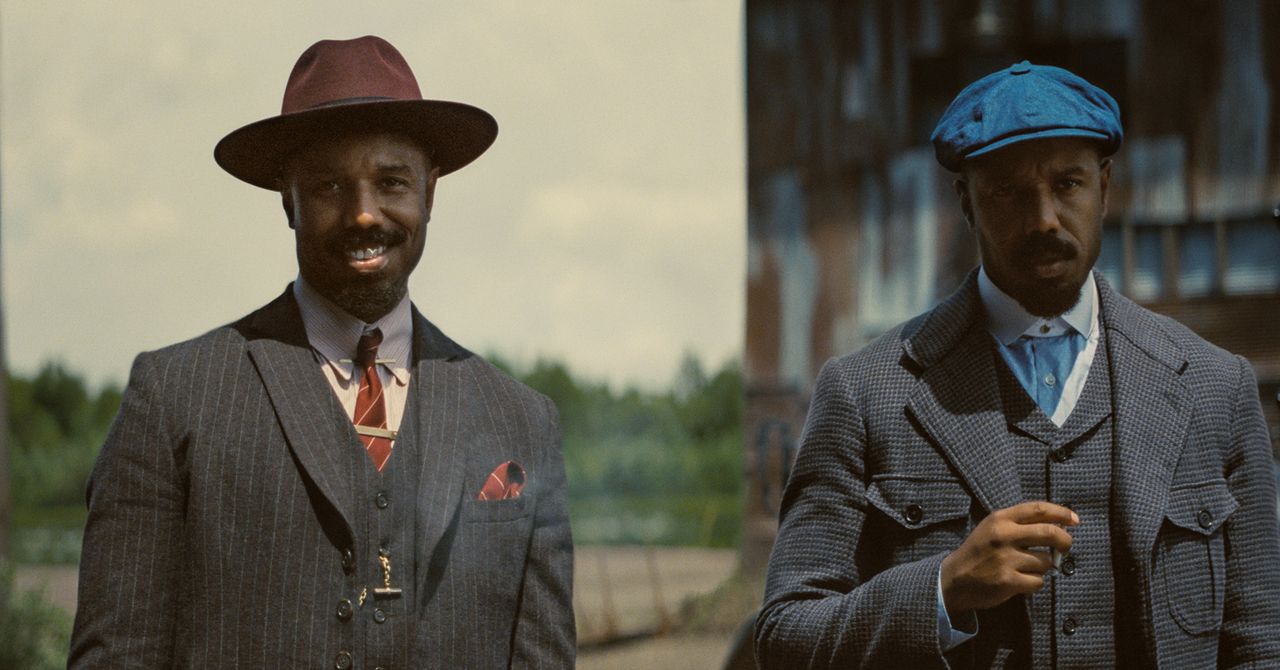
The film encapsulates everything one might desire in a fresh cinematic experience: tantalizing themes of vampires intertwined with a sensual narrative, an evocative score from Ludwig Göransson, and what could be Michael B. Jordan's finest portrayal yet. Set in 1930s Mississippi amidst the Jim Crow laws, it follows twin brothers, Smoke and Stack, both portrayed by Jordan. Having left Chicago's criminal underworld, they aspire to open a juke joint only to face a vampiric adversary. It's a quintessential Coogler tale that transforms the horror genre into something refreshingly new.
Striking a chord with its viewers, the film's debut garnered $63.5 million globally, marking a significant achievement for original films, the most since Jordan Peele’s 2019 success. The anticipation of Coogler’s work likely enhanced its performance. It surpassed other originals like Peele’s latest, gaining the rare honor of an 'A' grade on CinemaScore, a feat unachieved by any horror film for decades.
The Power of Originality in a Sea of Known Franchises
In today's film industry, original content can still pack a punch. Daniel Loria, an analyst at The BoxOffice Company, notes that while franchise films are considered safe bets, originals can make waves when they resonate with viewers right from the start.
Assessing what works in Hollywood remains elusive. Big blockbusters and reimagined classics might not be accurate yardsticks for the industry's direction or audience contentment. Some remakes, like the ill-fated adaptation from 2020, failed due to a mix of economic and qualitative missteps.
According to David Hancock of Omdia, there’s a cyclic nature to franchise success and decline. This compels studios to explore new narratives. Films like Coogler’s pave pathways that invigorate the silver screen and reinvigorate storytelling.
In contrast, established Warner Bros properties dominate the global market. Yet the success of these giants doesn't negate the emerging strength of original stories that claim their rightful place.
Redefining Value in Intellectual Property
Ryan Coogler’s approach, according to Brett, serves as a blueprint for original storytelling—asserting ownership akin to established franchises. With an unprecedented deal from Warner Bros, Coogler will regain rights to his creation after 25 years. This arrangement challenges traditional industry norms, reshaping how intellectual property is valued.
The superhero film frenzy has waned, and Marvel's current predicament illustrates a shift. Their over-saturation of comic-based content diluted its allure, marking their latest offering as the poorest performer of its multitude of titles.
Joe Russo, co-director, remarked on the evolving media landscape where younger audiences communicate through rapid, digestible content. The film industry's challenge is adjusting form and content to meet evolving tastes.
The Evolving Space for Original Cinema
The rise of streaming platforms has rewritten consumption habits, affecting demand for original theater releases. According to Comscore, cinema sales remain stagnant compared to previous years.
Esteemed director Steven Soderbergh lamented these changes. His latest thriller, despite notable stars, struggled financially. If mid-range, character-driven films can't attract older demographics, the landscape for such projects looks bleak.
Yet, Coogler’s success signals hope. Prospective box office gains indicate potential for non-franchise releases, sharing the limelight with other culturally rich films that found both commercial success and critique approval in recent times.
David Hancock foresees a renaissance of original tales over the next decade, aiming to engage diverse audience demographics.
However, the industry’s takeaway from Coogler’s film transcends mere franchise fatigue. As Kyle Brett emphasizes, marketing and positioning these unique narratives and their audiences are paramount. Black viewers, in particular, demonstrate enduring support—a crucial insight for future marketing strategies.
Leave a Reply