


The Right's Long-Aimed Strike Against Harvard
The vision to dismantle elite institutions like Harvard has been longstanding among some right-wing circles, and it seems they are inching closer to realizing it.
In 2021, Curtis Yarvin, a notorious figure advocating for the end of American democracy in favor of authoritarian rule, spoke on a podcast about how a potential 'American Caesar' might seize control if elected. Michael Anton, then out of government but now reinstated as a Trump official, expressed skepticism, citing the influence of key media and academic institutions, such as 'Harvard and the New York Times,' as robust centers of power that would resist such a move.
Yarvin concurred, implying that these bastions of elitism must be dismantled. 'That's why Harvard and the New York Times can't exist beyond April,' he stated, forecasting a targeted offensive that has indeed manifested as spring arrived, with Harvard now enduring an exceptional onslaught from the Trump-led administration.
A Political Offensive on Academic Institutions
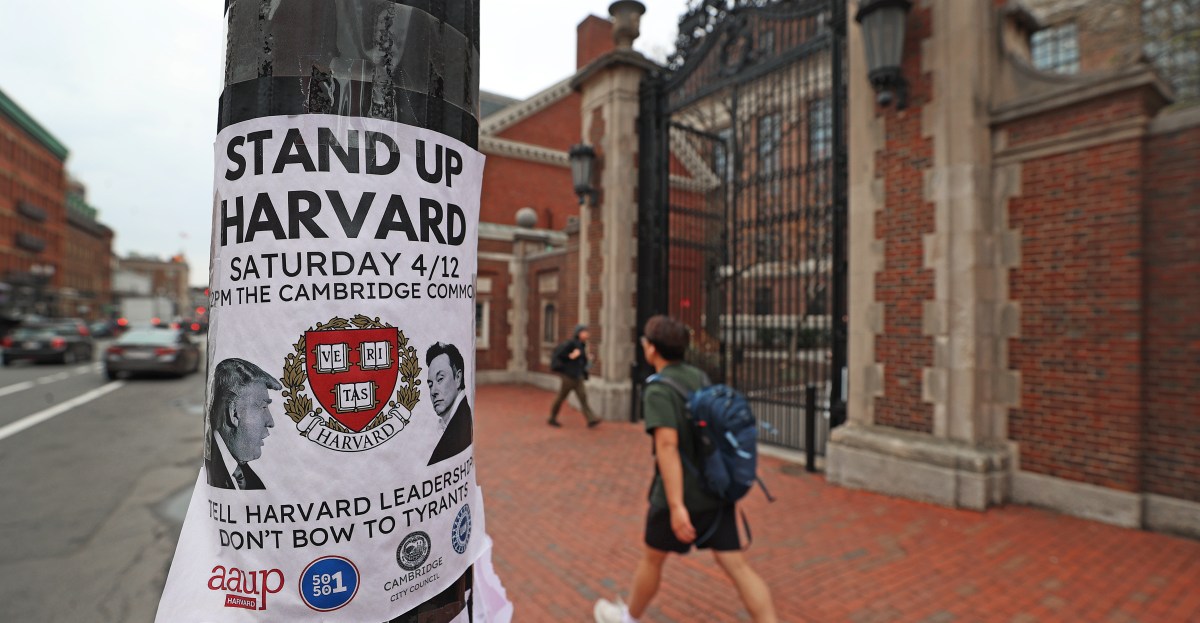
Harvard has become a focal point in a grander campaign against prestigious universities by Donald Trump’s administration, marking a significant assault on perceived liberal strongholds. This initiative includes a strategic credential revocation, withdrawal of certification for international students, and intensified financial oversight.
These attacks are part of a broader partisan strategy intended to weaken progressive institutions deemed adversarial by the Trump administration, from prestigious law firms to notable non-profits and media organizations.
Proponents of this approach argue that forcing left-leaning establishments to either submit or face ruin can bolster right-wing cultural influence. However, while targeting Harvard presents formidable challenges, this tactic could reshape federal-academic relations decisively.
Harvard's Resolve and the Stakes of Resistance
Despite dire circumstances, Harvard has resisted pressures from the Trump administration, earning acclaim from critics of the president. After Columbia University's previous surrender to similar demands, Harvard had limited options but to oppose further extreme propositions from Trump’s officials.
A key demand was an annual audit of 'viewpoint diversity,' where all faculties and the student body would be scrutinized until 2028, aiming to push the institution towards right-leaning ideologies — an unprecedented federal intrusion into a private university. This could lead to Harvard engaging in legal battles, challenging such actions' legality.
An Unprecedented Development with Long-Term Consequences
With the federal government adopting aggressive new tactics to influence academia, the question extends beyond Harvard. This action has paved a potential pathway for future conservative governments to apply similar coercive measures, compelling universities to either sever federal ties or adjust to rightist expectations.
The Concept of 'The Cathedral' and Its Critics
This aggressive stance against universities is not impulsively vindictive but rather rooted in longstanding ideological narratives endorsed by prominent conservative figures. They assert that higher education institutes are pivotal in propagating progressive ideologies they detest.
Figures like Christopher Rufo have contended that the rise of 'wokeness' is primarily an elitist academic creation. Further back, Yarvin coined the termed 'the Cathedral' to describe what he perceives as the undue influence elite universities and media wield over societal norms and political discourse.
Strategic Pressure: Will It Yield Triumph?
The long-term impact of such strategies remains uncertain. While tangible financial strains, like layoffs at the Harvard School of Public Health, are immediate, the essential power of Harvard is its reputation and prestige, not merely dependent on federal funds.
Many legal experts argue that abrupt alterations to funding by the Trump administration could face significant legal hurdles. Moreover, public perception of these maneuvers as abuses of power might galvanize institutional solidarity against the government.
Yet, the narrative that universities must be reshaped or dismantled to curb progressive cultural dominance remains disputed. The oversimplified portrayal misses the nuanced dynamics of student interactions with evolving ideologies and technological influences on cultural shifts.
The Real Victims and Unintended Consequences
Beyond ideological battles, this aggressive stance risks substantial setbacks in research development. Consequences will echo in fields like medicine and science, as funding withdrawals jeopardize vital initiatives addressing illnesses such as tuberculosis and cancer.
The implications of these actions extend far beyond the political realm, potentially debilitating the comprehensive contributions of scientific communities in the US and impacting global progress in addressing public health challenges.
Leave a Reply