


Diving into Andor's Revolutionary Journey in Star Wars
In its concluding season, 'Andor' unfolds like a collection of short films, each exploring the fragmented and tumultuous journey to freedom through resistance.
Star Wars has always woven a narrative rich with political undertones, centered around valiant individuals battling against an empire of tyranny that aims to dominate the universe. Few projects within the Star Wars universe have dissected the relentless toll of enduring conflict on human psyche and emotions as thoroughly as the Andor series.
With a focus sharp on psychological and emotional realities, the first season of Andor emerged as a breath of fresh air among Lucasfilm's varied ventures. It presented a mature storyline resonating with the revolutionary essence of Star Wars’ grand saga. While the ending was predetermined, the narrative amplified the significance of hope amidst war's bleakness.
Preserving this spirit, the show's second and final installment chronicles the escalating clash of the Resistance against the Empire, leading up to the events of 'A New Hope.' This season promises to be more expansive and audacious, taking narrative risks that Disney typically steers clear of. Especially in today's climate, Andor’s emphasis on collective courage against tyrannical forces resonates profoundly.
The Evolution of Resistance
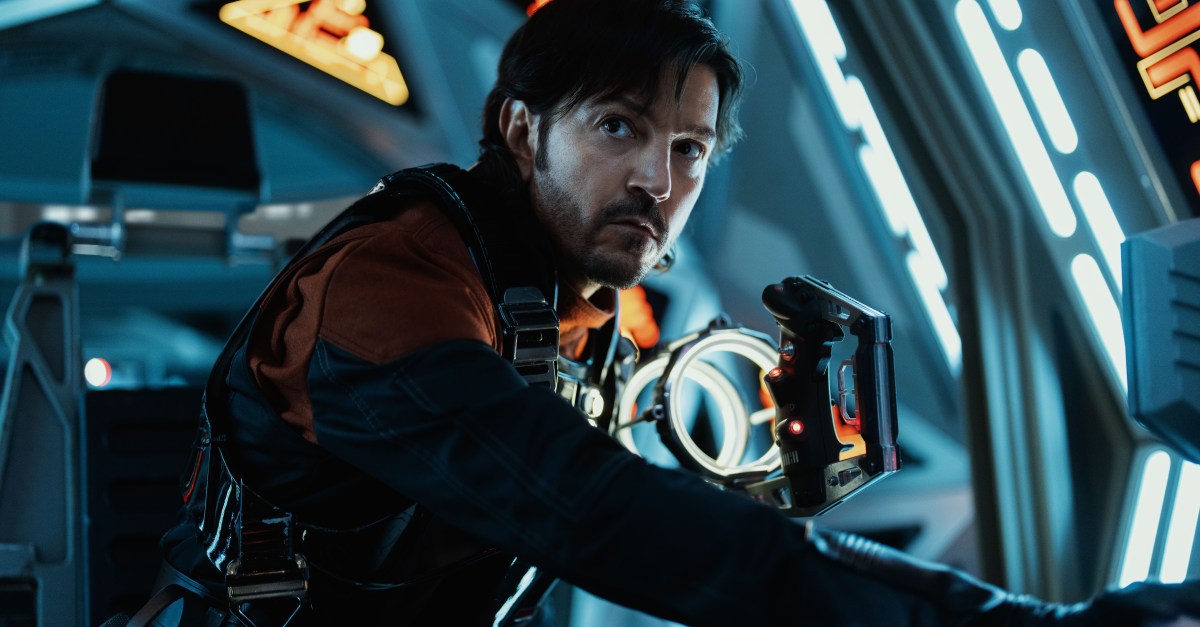
As the second season begins, Cassian Andor (played by Diego Luna) and his fellow rebels are acutely aware of the monumental task of dismantling the Galactic Empire. Experienced insurgents like Bix Caleen, portrayed by Adria Arjona, and Luthen Rael, brought to life by Stellan Skarsgård, find their missions fraught with heightened peril as the Empire intensifies its efforts to quash rebellion. Yet, as more individuals awaken to the Empire’s oppressive nature, the Resistance gains strength daily. Cassian's evolving journey uniquely equips him to usher newcomers into the liberation movement.
The specter of past audacious feats, like orchestrated heists and jailbreaks, looms large over Imperial Security Bureau officer Dedra Meero (Denise Gough) and deputy inspector Syril Karn (Kyle Soller). Yet, their careers taken on new paths — Dedra through a clandestine project directed by Orson Krennic (reprised by Ben Mendelsohn) and Syril through promotion — emboldens their resolve, even spurring a complicated personal entanglement that affirms their remnants of humanity.
Interwoven Battles
Though Cassian’s role remains central, the new 12-episode arc steps back to illustrate how vast revolutions are the sum of innumerable smaller conflicts fought in pursuit of a brighter future. In the political hub of Coruscant, Senator Mon Mothma (Genevieve O’Reilly) navigates rising tensions through strategic diplomacy. Meanwhile, Luthen, disguised as an antiquities trader, and his ally Kleya Marki (Elizabeth Dulau) engage in high-stakes subterfuge, poised to flee at a moment’s notice should the need arise.
Andor has consistently excelled at making its alien landscapes tangible and populating them with depth and texture. This season enhances its world-building to reveal the Resistance’s decentralized nature and internal strife, particularly as they confront new threats on worlds like Ghorman, noted for its unique spider silk and ongoing civilian protests.
This season's writers, including Tony Gilroy, Beau Willimon, Dan Gilroy, and Tom Bissell, deftly capture how fear spurs some rebels to rebellion while breeding suspicion among others, exacerbated by the Empire’s vast propaganda machine that obscures its true intentions. The Rebels' cautious trust often courts disaster.
A Costly Resistance
The toll of war is manifested in the numerous casualties on both sides, underscoring the profound costs borne by individuals caught in the conflict. The high stakes enable secondary characters, such as Kleya and Wilmon, to rise to more prominent roles within the narrative.
The season's narrative leaps through time allow these characters to take on central roles effectively. Each forward leap depicts an evolving status quo that reflects how time has reshaped people and their perspectives. While some aspects, such as the Empire’s peace-preserving rhetoric, remain constant, changes are etched into the characters’ developments, driving distinct story arcs culminating in a thrilling climax.
Humanizing the Galactic Struggle
Highlighting grounded perspectives from the Rebel and Imperial conflict, the series resists retreading narratives, choosing to plunge deeper into the various manifestations of wartime violence. In particular, one scene in the latter half of the season stands out for its raw intensity, showcasing some of the starkest storytelling yet seen from Lucasfilm. Yet, amid these powerful moments, the story intersperses levity, introducing creatively envisioned droids.
With its inaugural season, Andor raised the bar for Disney Plus series. Its final episodes deliver a poignant, albeit bittersweet, conclusion imbued with poetic resonance. Though set in an era long past in a distant galaxy, Andor’s themes of resilience and hope echo pointedly in today's world, marking the series as a pinnacle of the Star Wars franchise.
Leave a Reply