


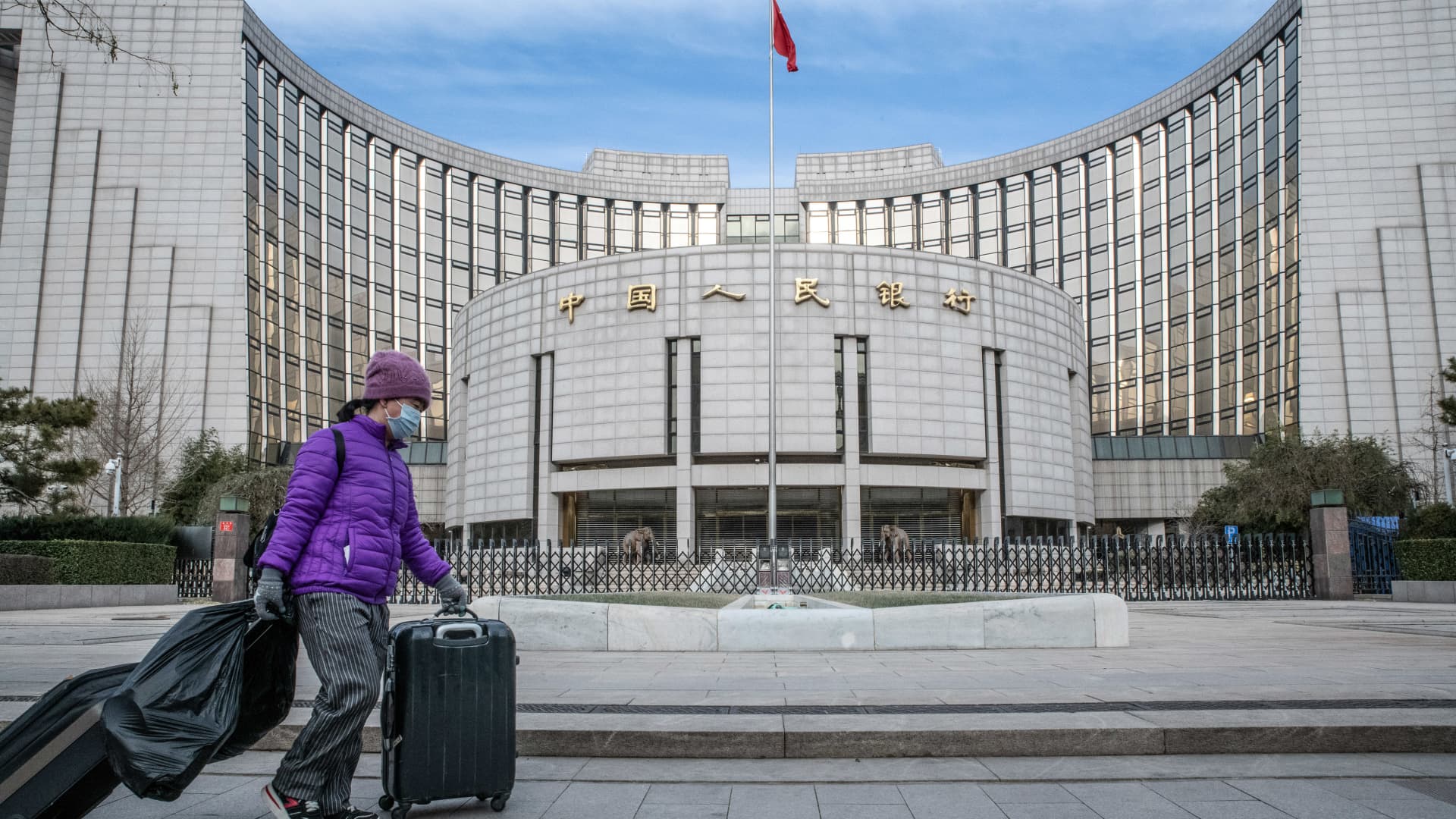
China Maintains Lending Rates Amid Yuan Pressure from US Tariffs
At the start of the week, China's 1-year Loan Prime Rate (LPR) remains at 3.1%, while the 5-year LPR continues at 3.6%. The People's Bank of China is concentrating on supporting the yuan amidst ongoing trade conflict with the United States.
This decision coincides with impressive economic figures from China, reported this month, providing space to hold rates steady. March's surprising retail sales and industrial activity figures exceeded predictions from experts surveyed by Reuters.
Loan Prime Rate's Influence
China's 1-year LPR affects various corporate and household borrowings, whereas the 5-year LPR acts as a standard measure for mortgage interest rates. The central bank has kept these rates unchanged since October of last year.
After the rates announcement, the yuan traded at 7.2995 against the US dollar, remaining stable, while its offshore counterpart slightly gained strength, reaching 7.2962.
Market Predictions and Economic Indicators
A significant number of analysts anticipated the People's Bank of China would maintain these rates, with approximately 87% expecting no changes. Last week's analysis, led by Lynn Song and Min Joo Kang, suggested that the LPR would probably remain steady without an initial reduction in the 7-day repo rate, which stands at 1.5% and was last decreased in September by 20 basis points.
Despite potential justifications for easing due to low inflation coupled with external pressures from increased tariffs, the People's Bank of China might delay any actions until the US Federal Reserve adjusts its borrowing costs, according to ING.
Impact of Tariffs and Economic Outlook
The United States has slapped tariffs up to 245% on goods coming from China, while China has responded with tariffs reaching 125% on American imports.
While GDP data is optimistic, showing a 5.4% increase year-over-year, pressures persist since consumer prices remain in deflation. The consumer index depicted a 0.1% decline over the past year, and producer prices decreased by 2.5% in March, marking the 29th consecutive month of deflation with the largest drop since November 2024.
Leave a Reply