


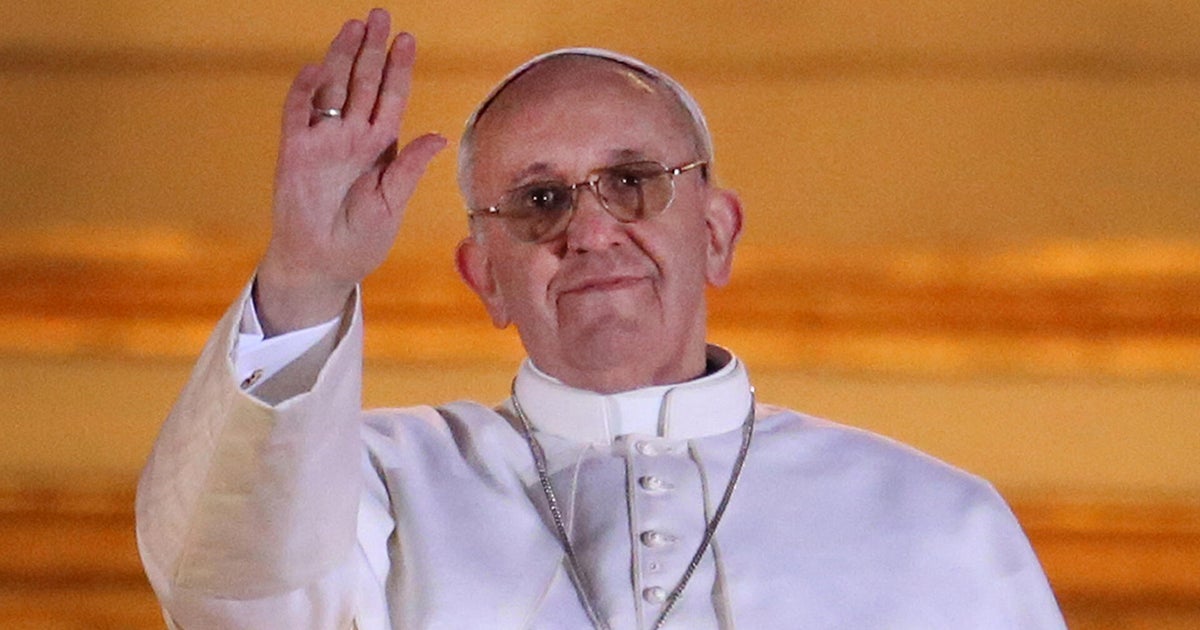
A Glimpse into Pope Francis' Journey from Argentina to the Vatican
Pope Francis, originally Jorge Mario Bergoglio, emerged as a transformative figure within the Catholic Church after becoming pope in 2013. His life, which concluded recently on a significant Monday, is marked by key milestones.
Early Life and Path to Priesthood
Born in Buenos Aires, Argentina, Jorge Mario Bergoglio was the first of five children in a family of Italian descent. His father, Mario Jose Bergoglio, worked as an accountant, while his mother, Regina María Sívori, was the child of Italian immigrants.
Religious Ascendance
In his early years, Bergoglio joined the Jesuit order and was ordained as a priest, soon becoming the provincial superior during a turbulent era in Argentina. His dedication to his faith eventually led to his appointment as the auxiliary bishop of Buenos Aires. By 1998, he succeeded Cardinal Antonio Quarracino as the city's archbishop, and was elevated to cardinal by Pope John Paul II in 2001.
Papacy and Progressive Reforms
Pope Francis was elected in 2013, marking a series of firsts: the first pope from the Americas, the first Jesuit pope, and the trailblazer to choose the name Francis, inspired by St. Francis of Assisi. His tenure is noted for aiming to reform church bureaucracy with a council of cardinals and advocating for missionary work focused on social justice, poverty alleviation, and environmental concerns.
Advocacy and Global Concerns
Dedicated to addressing issues such as economic inequality and climate change, Pope Francis's papal document, 'Evangelii Gaudium,' calls for an economy that serves all, not just the affluent. His visit to Lampedusa highlighted the migrant crisis, while his stance on LGBTQ issues, summed up by his question, 'Who am I to judge?' radiated compassion.
Diplomacy and Acknowledgment of Past Wrongs
Pope Francis initiated unprecedented dialogue and reconciliation efforts, meeting with both Israeli and Palestinian leaders and marking a historic reconciliation moment with the Russian Orthodox Patriarch. He has also apologized for historical injustices of the Church against indigenous populations.
Reforms Towards Inclusivity
In his pivotal document, 'Laudato Si,' Pope Francis urged a paradigm shift to address structural injustices and environmental degradation. He simplified the annulment process for Catholics, promoted gender inclusivity in church decision-making, and opened pathways for previously marginalized groups within church sacraments.
Final Days and Legacy
In his final days, Pope Francis continued to challenge global issues like economic disparity, urged for innovative political consciousness in his 'Fratelli Tutti' encyclical, and advocated for fraternity across humanity. His commitment to inclusivity and reform remained steadfast until the end, as he passed away, leaving a legacy of spirituality intertwined with social activism.
Leave a Reply