


VA Reassesses Privacy for Telehealth Therapists
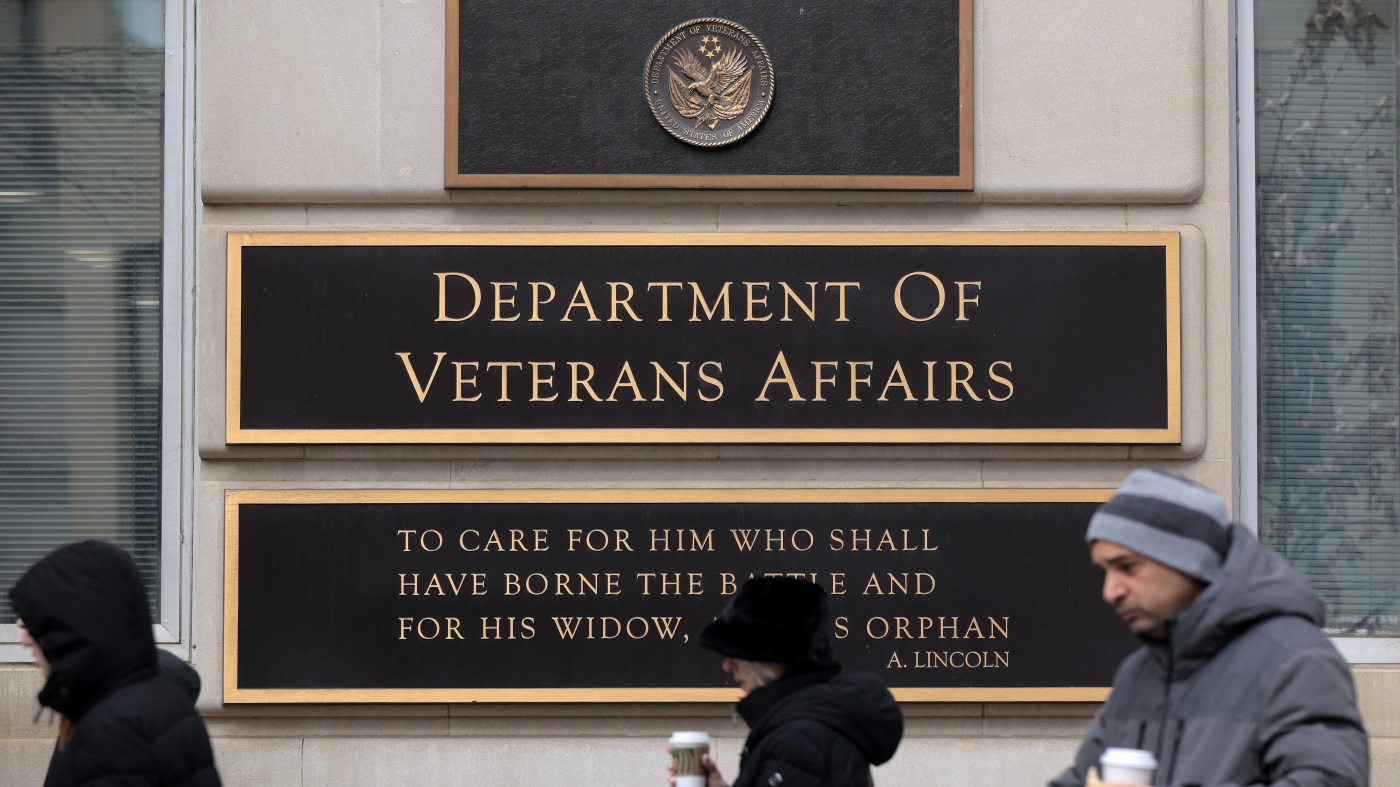
The U.S. Department of Veterans Affairs, with its central office situated close to the White House in Washington, D.C., is reconsidering a directive after feedback indicated it might compromise the confidentiality of telehealth therapy sessions for veterans.
A memo, disclosed by NPR, suggests that the Department is backtracking on requiring telemedicine therapists to return to potentially non-private office settings.
In response to widespread concerns, VA officials have issued new guidance emphasizing that mental health practitioners should have dedicated spaces that ensure privacy and build trust in the therapeutic relationship with veterans. The provision of these spaces is prioritized as staff begin transitioning back to physical office locations.
Dated April 12, the memo was sent to regional leaders shortly after an NPR report highlighted the issue. Feedback from numerous mental health professionals, who chose to remain unnamed due to job security concerns, echoed the apprehension that returning to VA facilities could jeopardize confidential treatment.
Concerns Over Office Space and Privacy
Historically, many therapists operating via telehealth have done so from the privacy of their homes. The shift back to office settings introduces challenges, with some clinicians worried about insufficient space and potential breaches in confidentiality within shared environments.
A plan announced by VA officials, including Secretary Doug Collins, to reduce staffing as per previous standards has added to the complexity, with the VA needing to balance staff cuts with maintaining service obligations under applicable laws.
Mixed Messages on Confidentiality
Before the new memo, draft communication from VA management suggested therapists working in open-plan environments might need to inform patients of possible privacy limitations.
Maintaining the confidentiality of patient sessions is not just a matter of professional ethics but a legal requirement. Effective clinical care is significantly tied to the trust afforded within these private interactions.
According to the April 12 document, spaces used for telehealth should match the privacy standards available in-person, ensuring consistent therapeutic environments.
Uncertainty Among Clinicians
Despite the directive, some clinicians remain unclear on whether they can continue home-based work if office privacy isn't feasible. Many note practical issues such as inadequate space and facilities to accommodate both staff needs and required privacy levels.
Another internal document suggests potential exemptions for mental health providers from the return-to-office requirement, though details remain sparse.
VA's official stance, articulated in previous comments, insists that returning to office work will not disrupt veteran care, with compliance to privacy laws assured. They have committed to adapting workspace arrangements to meet privacy needs.
Impact on VA's Reputation
The American Psychological Association has voiced its concern over therapists struggling to meet federal privacy standards, emphasizing the importance of confidentiality in psychological practice.
The VA is widely respected for its high-quality mental health services, and there's worry that the staffing changes and office return may degrade the level of care provided or drive clinicians away.
The organization has been seen as exemplary in fostering evidence-based care that addresses the needs of veterans who have made significant sacrifices for the country.
Leave a Reply