


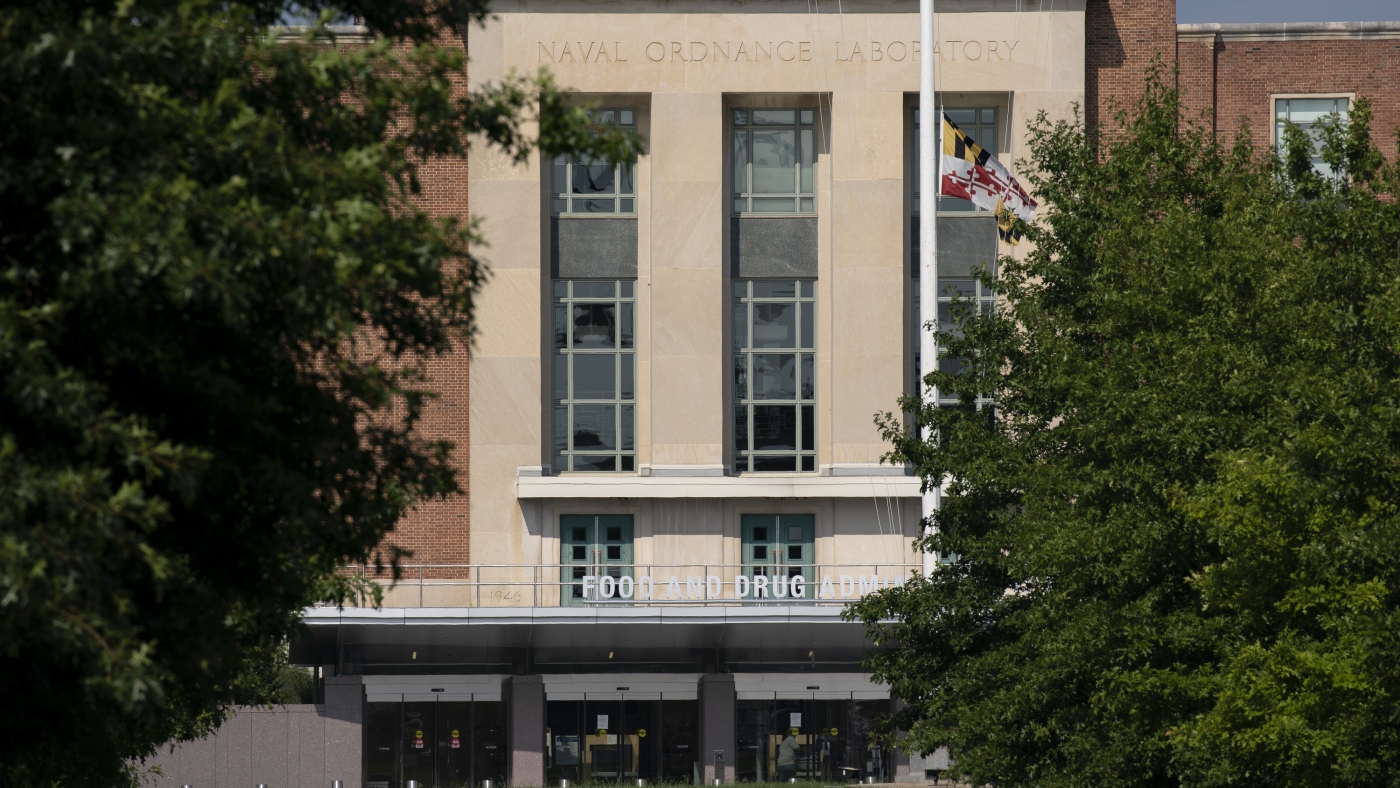
Impact of FDA Staff Reductions on Food and Drug Safety
Recent budget cuts at the Food and Drug Administration have shifted a considerable burden to its inspectors due to reductions in support staff.
Despite Health and Human Services Secretary Robert F. Kennedy Jr.'s assurance that inspectors would remain to safeguard American food and drugs, essential support roles integral to operations such as travel coordination and reimbursements have been eliminated, according to agency insiders.
While some of these support staff members were temporarily recalled, they have since been dismissed, insiders report, further complicating the inspection of manufacturing sites that have been tied to recalls and serious health issues in the past. Inspectors underscore the critical role they play as the first line of defense in ensuring safety.
Inquiries made to the agency revealed efforts to monitor and manage inspection-related travel, but inspectors are nevertheless experiencing significant disruptions.
Challenges in Planning Inspections Abroad
With the cutbacks, some inspectors have had to cancel scheduled inspections as they await financial reimbursements for considerable expenses incurred during recent trips. The responsibility for processing travel arrangements has been transferred to the inspectors themselves, which has proven more complex than anticipated.
Complexities in international regulations, such as varying visa requirements, were previously handled by coordinators—now dismantled—who ensured smooth operations in the inspectors' absence.
A new policy, effective since March, reduced government-issued credit card limits to $1, necessitating prior approvals for any travel expenses, further complicating the logistics for the inspectors.
Existing Inspection Objective Challenges
The diminished support threatens to worsen existing inefficiencies in inspection schedules.
Despite the resumption of inspections post-COVID pause, staffing shortages and turnover due to compensation and work-life dissatisfaction remain prevalent. These issues have led to a decline in both foreign and domestic inspections.
Former FDA inspector Peter Baker highlighted the significance of inspections in semi-regulated regions, emphasizing the agency's role as often the sole independent evaluator of product quality. He cited an inspection in India that revealed serious operational lapses.
Supporting International Inspection Efforts
Previously, support staff managed every aspect of travel logistics for inspectors, ensuring efficient arrangements for complex international trips.
However, without this logistical aid, the pace and thoroughness of inspections are likely to suffer, posing a significant threat to public health, particularly for young children and the elderly.
International inspection trips are extensive and costly—entirely charged to government cards—which inspectors must manage prudently to avoid personal financial burdens.
The uncertainty in timely reimbursements adds stress to inspectors who are already dealing with systemic understaffing and competition with the private sector.
Chris Middendorf, a seasoned inspector now in compliance law, reiterated the critical nature of in-person inspections to monitor potential contamination risks due to human error, which cannot be effectively managed remotely.
Leave a Reply