


RFK Jr. Challenges the Narrative on Autism Rates
In response to a new report revealing a rise in autism diagnoses, Health and Human Services Secretary Robert F. Kennedy Jr. has committed to identifying the 'environmental contributors' potentially responsible for this increase. He has urged the National Institute of Health to explore a comprehensive range of possible influences, such as mold and obesity.
Autism: A Priority in Kennedy's Health Agenda
Kennedy has placed autism at the forefront of his health initiatives, arguing against the notion that expanded definitions and improved recognition of autism spectrum disorder solely account for the rise in diagnoses.
Questioning Common Explanations
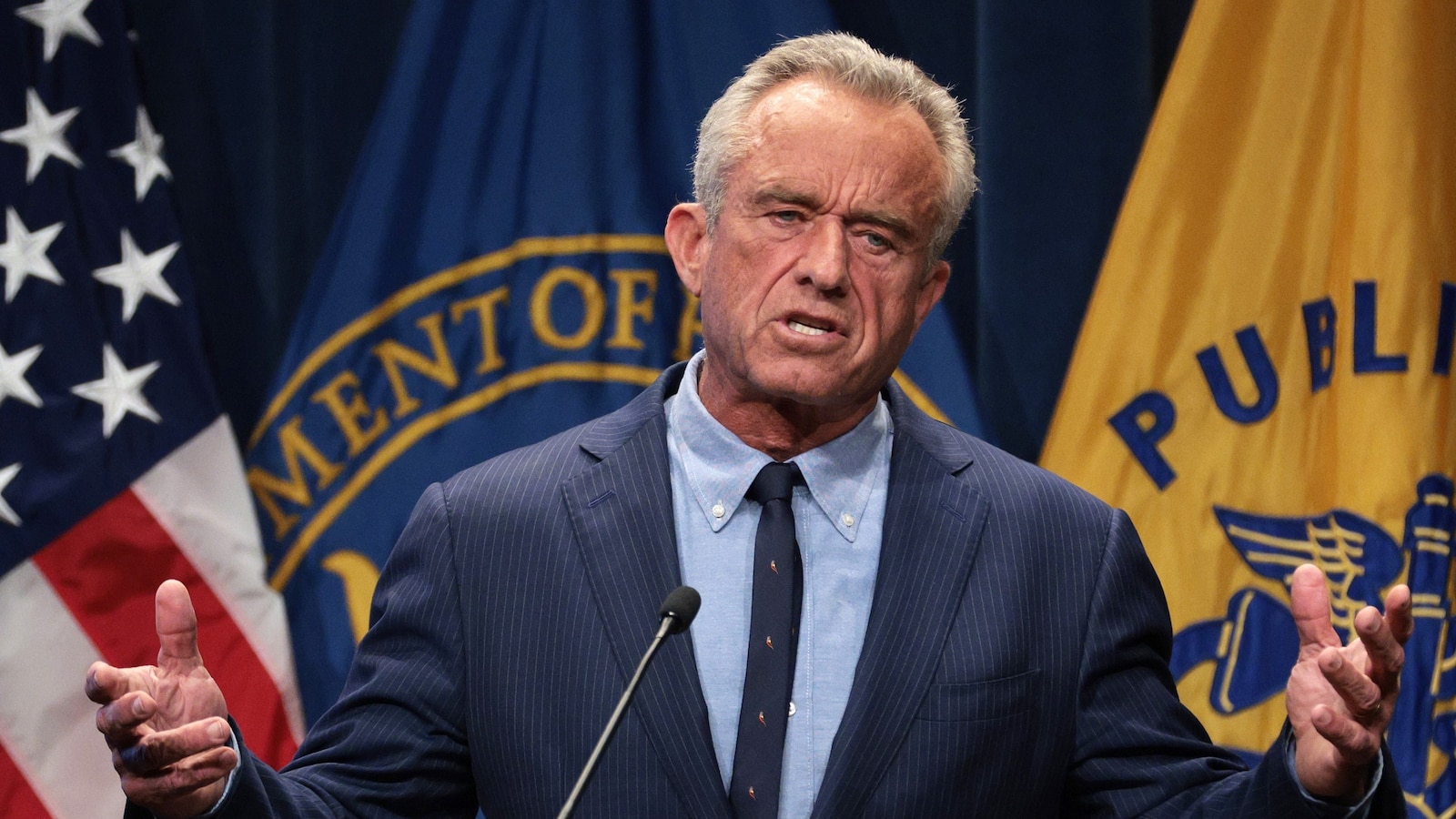
Addressing a press conference in Washington, D.C., Kennedy criticized the mainstream media's tendency to dismiss the increase in autism rates as mere artifacts of heightened awareness and shifting diagnostic standards.
According to the latest data from the Centers for Disease Control and Prevention, the prevalence of autism has risen to 1 in 31 children, which Kennedy described as 'alarming.' These figures mark a significant jump from past measurements, such as 1 in 150 children over two decades ago.
Genetic and Environmental Factors at Play
Many experts acknowledge the possibility of environmental influences but attribute much of the rise in autism diagnoses to an evolving understanding of the disorder.
Dr. Catherine Lord, an autism expert from UCLA, emphasized the significant changes in awareness and diagnostic criteria since she entered the field, leading to more frequent identifications of autism without severe intellectual disabilities.
While studies highlight genetics as a significant factor, environmental exposures are still considered influential, with further research needed to understand these dynamics.
Diverse Perspectives on Autism Increases
Joined by Dr. Walter Zahorodny, a renowned clinical psychologist, Kennedy underscored the genuine rise in autism cases based on longstanding data from regions like New Jersey, albeit recognizing varied potential causes.
Dr. Zahorodny argued that the enormity of the increase—a 300% rise over two decades—cannot be solely attributed to better detection and awareness.
Kennedy admitted that increased awareness might contribute to higher diagnosis rates but insisted that other unexplained factors are likely at play.
Impact of Autism on Families and Society
Highlighting the profound effect of autism on families, Kennedy described the devastating impact on children and called for greater accountability in addressing the issue.
Kennedy aims to uncover specific environmental triggers that could play a role in autism development, with new studies forthcoming under Dr. Jay Bhattacharya's leadership.
Kennedy has promised transparency in the studies' methodologies, which will adhere to rigorous academic standards.
Diverse Reactions from the Autism Community
Dr. Barry Prizant and others have challenged Kennedy's portrayal of autism, highlighting that not all individuals with autism face severe limitations. Many lead fulfilling lives despite the challenges.
Autism Speaks condemned Kennedy's comments, arguing they perpetuate misinformation by overstating the role of environmental toxins without robust scientific backing.
Commitment to Scientific Inquiry
Kennedy has vowed to adhere to scientific findings, no matter the outcome of the impending studies, and aims to have preliminary answers by September.
Leave a Reply