


Florida Stationery Business Takes Legal Action Against Trump Administration Over Tariffs
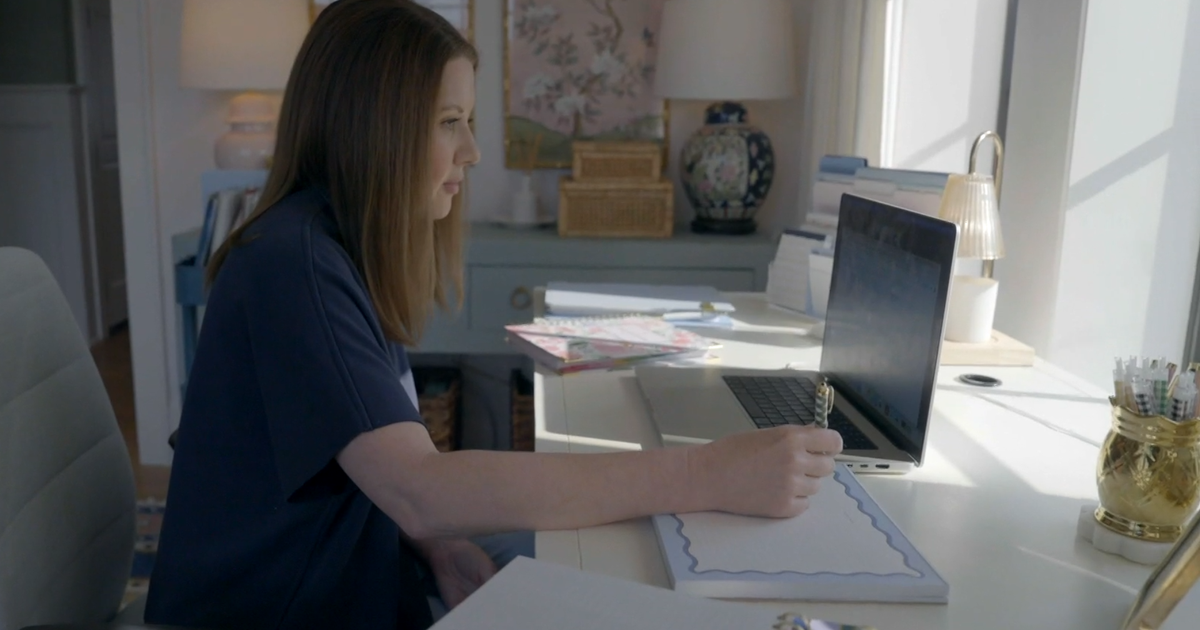
Simplified, a small stationery enterprise based in Pensacola, Florida, has been nurtured and grown by Emily Ley over the past 17 years.
Specializing in planners crafted in China for the US market, the business faces a significant challenge due to the recent imposition of tariffs.
Ley expressed her desire to manufacture domestically, but asserts that the necessary infrastructure and supply chains are nonexistent in the United States.
Unlike large corporations, small businesses like hers lack the financial flexibility and resources to adapt quickly to such abrupt policy changes.
Filing a Legal Challenge
With the aid of the New Civil Liberties Alliance, Ley has initiated a legal battle, filing suit against President Trump, Homeland Security Secretary Kristi Noem, and Acting Customs and Border Patrol Commissioner Pete Flores. The lawsuit contests the legality of bypassing Congress to implement these tariffs.
Ley laments the lack of legislative debate, which deprived constituents like her of having their voices heard before the tariffs were enforced.
Confronting the reality of her business's future, she resolutely states, "If this marks the conclusion of my American dream, I intend to fight until the end."
Financial Strain and Prospects
While the administration frames tariffs as short-term struggles with prospective long-term benefits, Ley argues that her business is ill-prepared to endure such immediate disruptions without a foundational plan to bolster domestic infrastructure.
Since the Trump administration began implementing these tariffs, Simplified has incurred almost $1.2 million in fees, with anticipated costs between $830,000 and $1 million this year.
In order to manage the elevated tariff costs, Ley would be forced to increase her planner prices substantially from $64 to $82, or as much as $120 to maintain profitability—an option she deems unviable.
With eight female employees under her leadership, Ley faces the grim prospect of cutting salaries or staff to stabilize costs, actions she wishes to avoid.
Tariffs' Wider Impact
The intricate supply network in China's Shenzhen region that assembles her planners does not yet have a domestic counterpart, contributing to the quality and affordability of her products.
In reaction to her lawsuit, a White House representative asserted the president’s authority to impose tariffs, emphasizing the administration's resolve to prevail in court.
Ley fears that the continuation of these tariffs spells unsustainability for many smaller enterprises, potentially leading to their demise in the current trade conflict.
Leave a Reply