


Democrats Warn of Corruption Risks from Trump's Tariff Policies
A substantial group of Democratic legislators is sounding the alarm about the trade strategies being pursued heavily by President Trump. They assert that these policies start to blur into what could be a system manipulated for enriching officials within the administration and their confidants.
In an imperfectly orchestrated introduction of numerous new tariff measures, the Trump administration is perceived as providing fertile ground for undue influence on President Trump and his officials, according to a letter made public by CNBC on Thursday.
The correspondence, endorsed by 47 members from both the House and Senate, calls upon key figures including the Treasury Secretary and the U.S. Trade Representative to clarify how they plan to prevent the exploitation of tariffs for personal gain.
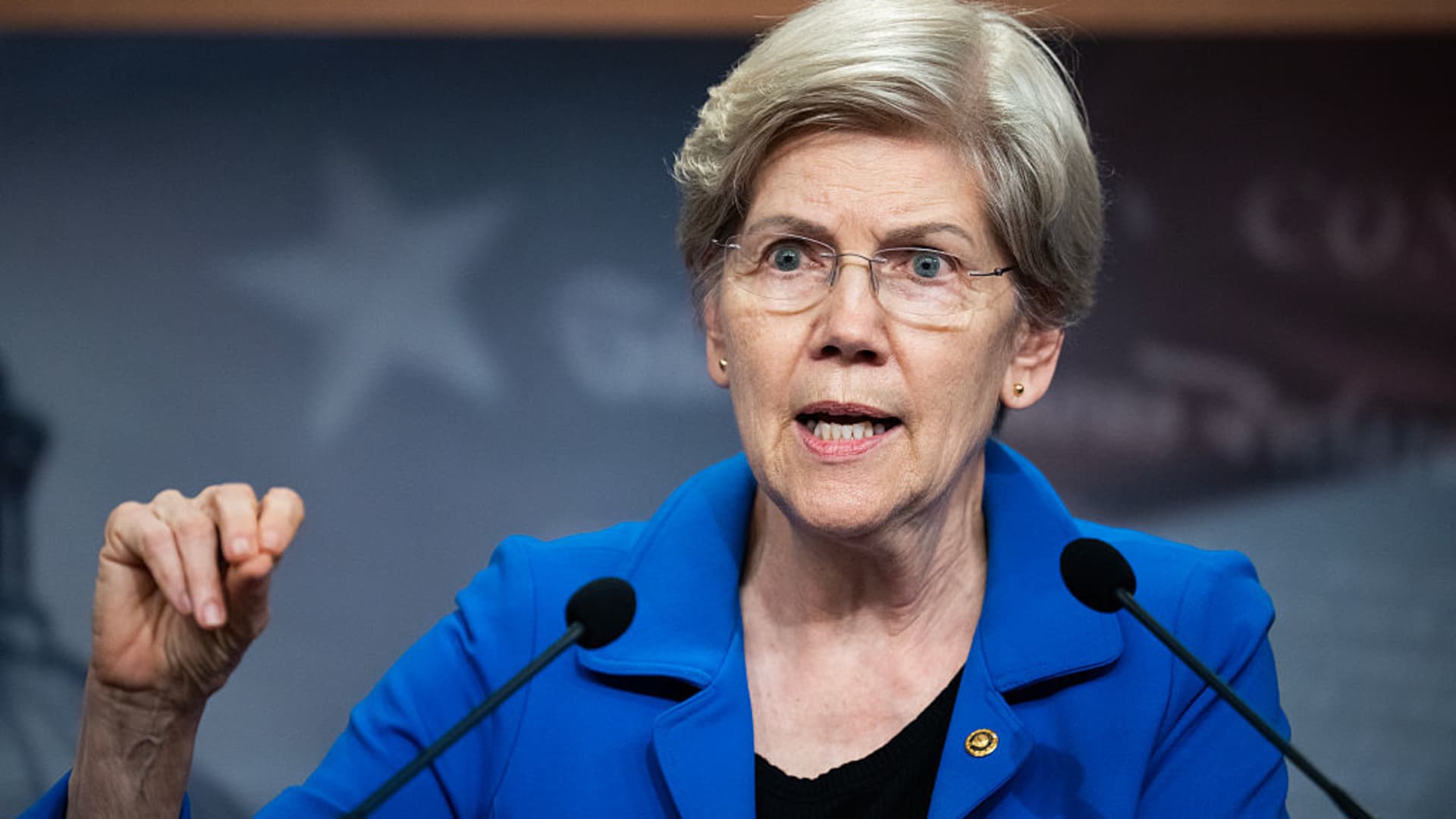
This initiative is spearheaded by Senator Elizabeth Warren of Massachusetts, alongside Representatives Judy Chu and Linda Sánchez from California. Among the notable signatories are Senator Sheldon Whitehouse from Rhode Island and independent Senator Bernie Sanders of Vermont, who aligns with the Democrats, as well as Representatives Ayanna Pressley, Jared Huffman, and Al Green from Massachusetts, California, and Texas respectively.
Strategic Opposition from Democrats
Despite being the minority in both the House of Representatives and the Senate, Democrats face challenges in instigating formal inquiries or enforcing subpoenas, thus inhibiting their capacity to demand explanations from the Trump administration. Nevertheless, the letter showcases their strategy of scrutinizing Trump's economic policies as part of their broader opposition to a second term.
The letter also highlights how Trump reportedly has wielded tariffs in his initial tenure as a president, allegedly using them to benefit allies or punish adversaries.
Allegations of Favoritism and Conflicts of Interest
The Democrats express apprehension that the tariffs policy is evolving into a covert marketplace where exemptions are granted in return for financial or political rewards.
They cite the recent exemption of certain technology products from reciprocal taxes, which they claim subsequently led to a boost for certain companies whose chief executives have maintained favorable relations with Trump.
Additionally, they argue that the nature of these tariff applications is not only welcoming corruption through transactional exchanges but also through personal stakes held by officials. The unpredictable nature of the trade policies allegedly facilitates significant opportunities for insider trading.
The legislators have requested replies from key economic figures by April 29, aiming to comprehend how the administration intends to manage potential tariff exclusions.
Leave a Reply