


Stock Markets Surge After Tech Tariff Relief
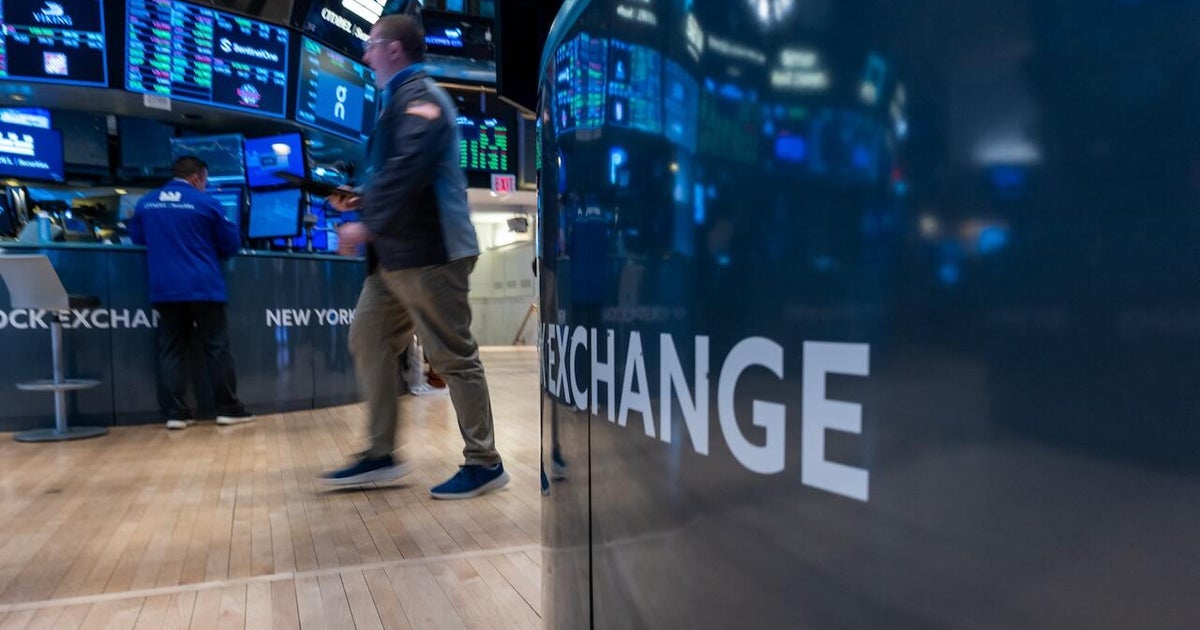
Equity markets experienced a noteworthy upswing for a second day in a row, as electronic items such as smartphones and computers were temporarily spared from the severe import tariffs imposed by the Trump administration on Chinese-manufactured goods. This development provided a boost to stocks like Apple and Nvidia.
The S&P 500 advanced by 42 points, marking a 0.8% rise, reaching 5,406 on Monday. Concurrently, the Dow Jones Industrial Average climbed by 312 points, also an increase of 0.8%. The Nasdaq composite, dominated by tech companies, saw a gain of 0.6%.
Technology stocks were among the key beneficiaries early Monday, with Apple gaining attention. The tech company was under threat of escalating costs for its key products, predominantly assembled in China. However, the duration of this tariff relief remains uncertain as President Trump has hinted at potential further tariffs on various electronics components such as semiconductors.
John Canavan, the principal U.S. analyst at Oxford Economics, remarked in a research note that, despite potential trade agreements with certain nations, the lack of a consistent trade policy adds to market uncertainty with no clear solution on the horizon. This ongoing situation is expected to affect the appeal of riskier assets and maintain high volatility.
Apple witnessed a notable rise in its stock price, climbing $4.37, or 2.2%, reaching $202.52. Other sectors that outshone on Monday included pharmaceuticals, biotechnology firms, banking, and insurance companies, as reported by FactSet.
Impacts of China Tariffs
The recent tariff reprieve follows a volley of tariff hikes exchanged between China and the U.S. over several days. China announced an increment on U.S. goods tariffs ranging from 84% to 125%. Meanwhile, President Trump’s broad tariffs on Chinese imports have reached a total of 145%.
Additionally, President Trump has paused tariffs on many other countries following significant falls in global stock markets and a reaction from the bond market to the tariffs previously enforced.
Economists caution that the escalating tension between these two economic powerhouses can inflict global economic harm, potentially leading to a recession, despite the current 90-day suspension on some tariffs.
According to Chris Larkin, Managing Director of trading and investing at E*TRADE from Morgan Stanley, to sustain the rebound, investors may need ongoing signs of the White House being flexible in tariff discussions.
Larkin also emphasized that the prevailing uncertainty could continue to produce day-to-day market volatility, particularly if weak economic data heightens fears of a recession.
Leave a Reply