


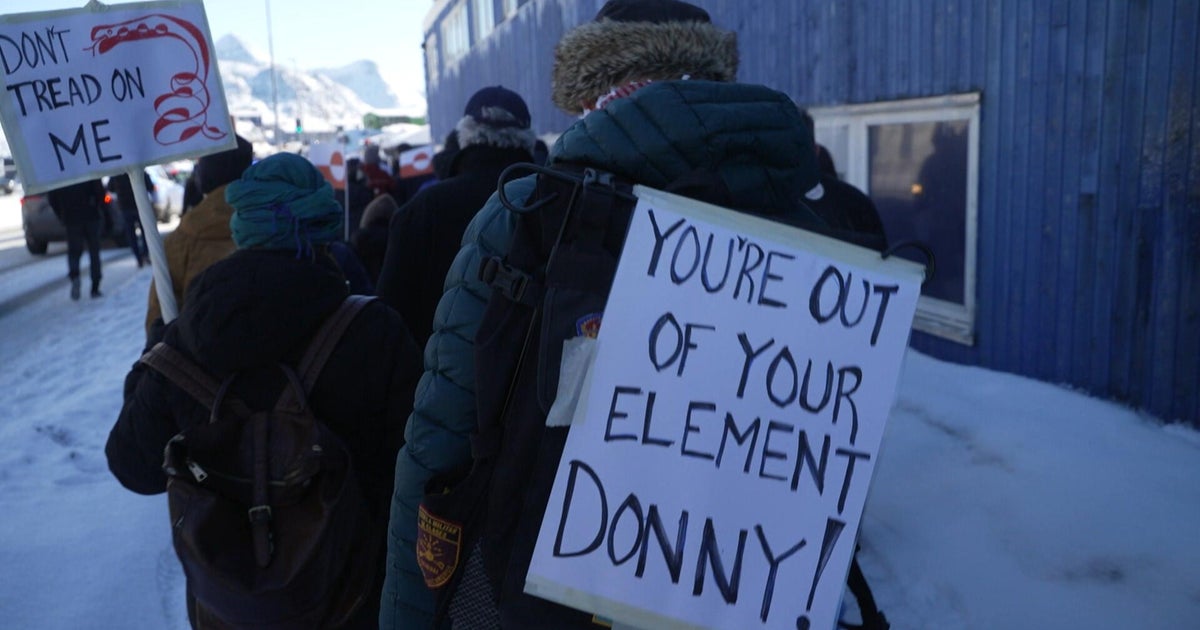
Trump's Interest in Greenland Sparks Defiance on Remote Arctic Island
President Trump's intentions to acquire Greenland, a self-determined region under the Kingdom of Denmark, have rankled many inhabitants of the Arctic.
The plan is particularly detestable to Aqqaluk Lynge, an esteemed Inuit statesman who acted as a delegate for the Arctic communities at the United Nations. Greenland is home to approximately 57,000 individuals, predominantly Inuits—native people linked to Arctic regions including Alaska, Canada, and Greenland. Inhabitants of Greenland have rallied around a simple assertion: while we're not up for grabs, we're open for trade, accompanied by Lynge's cautionary note.
Historical U.S. Interest in Greenland
Settled initially by Viking explorer Erik the Red in 982, Greenland has been affiliated with Denmark for three centuries. However, its capital, Nuuk, is geographically nearer to New York than Copenhagen.
Discussions on U.S. acquisition of the territory date back to World War II when, against the backdrop of Nazi-occupied Denmark, America established military installations on the island. The southern base Bluie West One, key before D-Day, still underscores the historical U.S. presence.
After the war, the Truman administration attempted to purchase Greenland for $100 million, drawn by its strategic position and natural resources. Denmark rebuffed the offer, though a treaty allowing U.S. military activities remains effective.
Trump's Motivations: Security and Resources
President Trump's renewed interest has been described as improbable by Denmark's prime minister. Despite re-election, Trump's ambition remains, with national security touted as a chief concern, emphasizing Greenland's role in U.S. missile defense strategies at Pituffik Space Base.
With ice retreating, Arctic maritime routes gain significance. The American administration believes Greenland under U.S. control could deter adversarial incursions, dubbing Denmark ineffective.
Local and International Reactions
Political voices like Professor Ole Wæver express skepticism toward Trump's approach, noting that U.S. military footprint in Greenland is substantial without necessitating ownership.
Concerns rise about potentially volatile repercussions on international diplomacy should aggressive U.S. acquisition occur.
Greenland's mineral riches, featuring resources such as gold and copper, appeal to Trump's circle, albeit logistical hurdles persist.
Greenland's Response
Trump's fixation has puzzled Greenlanders, reinvigorating independence sentiments and scrutiny over its relationship with Denmark.
In Nuuk, inhabitants publicly opposed U.S. plans, with sentiments echoed by Prime Minister Jens-Frederik Nielsen emphasizing Greenland's autonomy.
Former Finance Minister Maliina Abelsen likened U.S. attention to a seductive but potentially disruptive third-party influence in Denmark-Greenland relations, advising caution given the historical treatment of Alaskan Inuits.
Leave a Reply