


Rush to Purchase Cars Amid Tariff Turmoil, As Others Hold Off
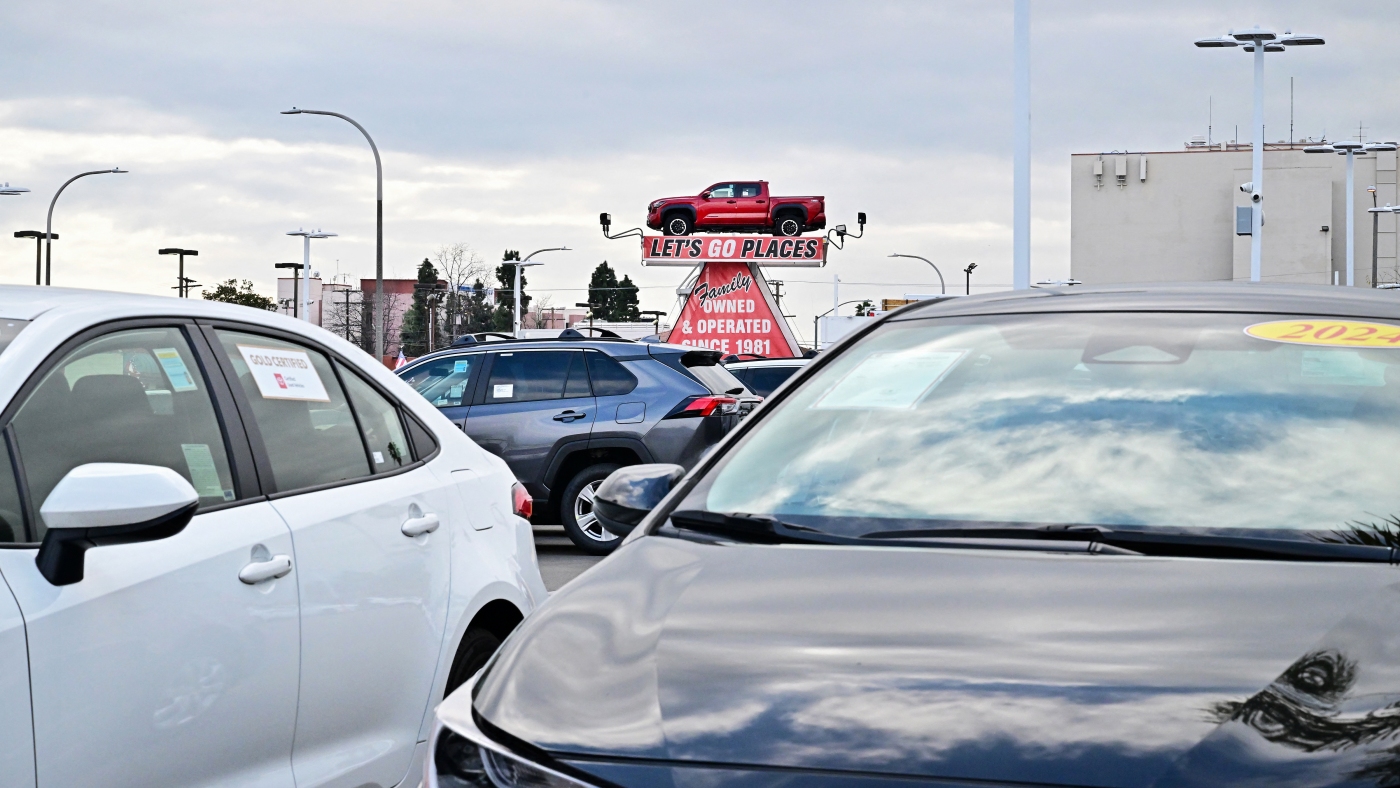
A pickup truck gleams on a platform at an Alhambra, California car dealership, marking the date March 27, 2025. Following President Trump's significant tariff announcement on imported vehicles and parts, the auto sector experienced a sharp decline in stock values. Yet, automotive dealerships witnessed a surge in activity as consumers hurried to secure purchases before the predicted price hikes.
Sudden Demand Driven by Economic Uncertainty
The looming tariff imposition has sparked a frenzy across American car dealerships. Manufacturers are offering substantial markdowns, enticing consumers anxious about potential price surges. However, this rush is underscored by economic concerns and cautionary signals particularly pertinent to budget-conscious buyers.
Consumer Dilemma: Act Swiftly or Hold Steady?
Ohio-based children's librarian Kyra Nay, initially planning to upgrade her vehicle next year, found her plans expedited by unsettling tariff announcements from the White House. "The uncertainty surrounding these tariffs compelled us to act sooner," she stated. In a hurry, she and her spouse acquired a Honda CR-V in late March. They were among many aiming to secure vehicles at pre-tariff rates.
Contrastingly, some individuals, like Michigan pharmacist Jennifer Jarvis, are opting for caution. Though considering a new family SUV, the couple decided to invest in their aging minivan's transmission, intending to extend its life by another 100,000 miles.
Shifts in Buying Behavior and Market Conditions
Many consumers are delaying vehicle acquisitions, concerned about job security or prioritizing savings in anticipation of an economic downturn. On the other hand, dealerships are touting now as the opportune moment for buyers to seize pre-tariff deals.
President Trump recently delayed many tariffs, yet those affecting the auto industry remain intact, featuring a steep 25% tariff introduced recently, affecting vehicles and their component parts.
Market Implications of Tariff Instability
Scott Kunes, COO of Kunes Auto and RV Group, equates the current market uncertainty to early 2020's COVID confusion. Demand for cars recently hit a peak, with the last month's sales being the highest in four years, driven by people racing to avoid impending tariffs.
Dealerships like Fisher Honda Acura in Boulder, Colorado, are capitalizing on present conditions, promoting their readiness to serve buyers before tariffs impact available inventory.
Future Market Outlook and Challenges
In the long term, maintained tariffs are expected to elevate vehicle costs by thousands of dollars. Prices will differ depending on brand and model. Kunes remains hopeful, noting that dealers and manufacturers are poised for resilience and adaptability to market changes.
The used car segment, often overlooked, potentially faces rising demands and repair costs, which could inadvertently cause price increases in that market as well.
Recent trends indicate this shift: used car prices, previously stable for six months, have seen upward movement since March, drawing parallels to early pandemic trends.
Real-World Impact on Affordability
Angelica DeLeon of Connecticut, having lost her car due to a COVID-triggered job loss, now finds the used vehicle market daunting with limited budget options. Despite attaining stable employment, the spike in used car prices presents her with few feasible choices.
DeLeon's experience underscores the larger national issue of maintaining car affordability amidst tariff instability, leaving many wondering how best to cope with low wages and essential transportation needs.
Leave a Reply