


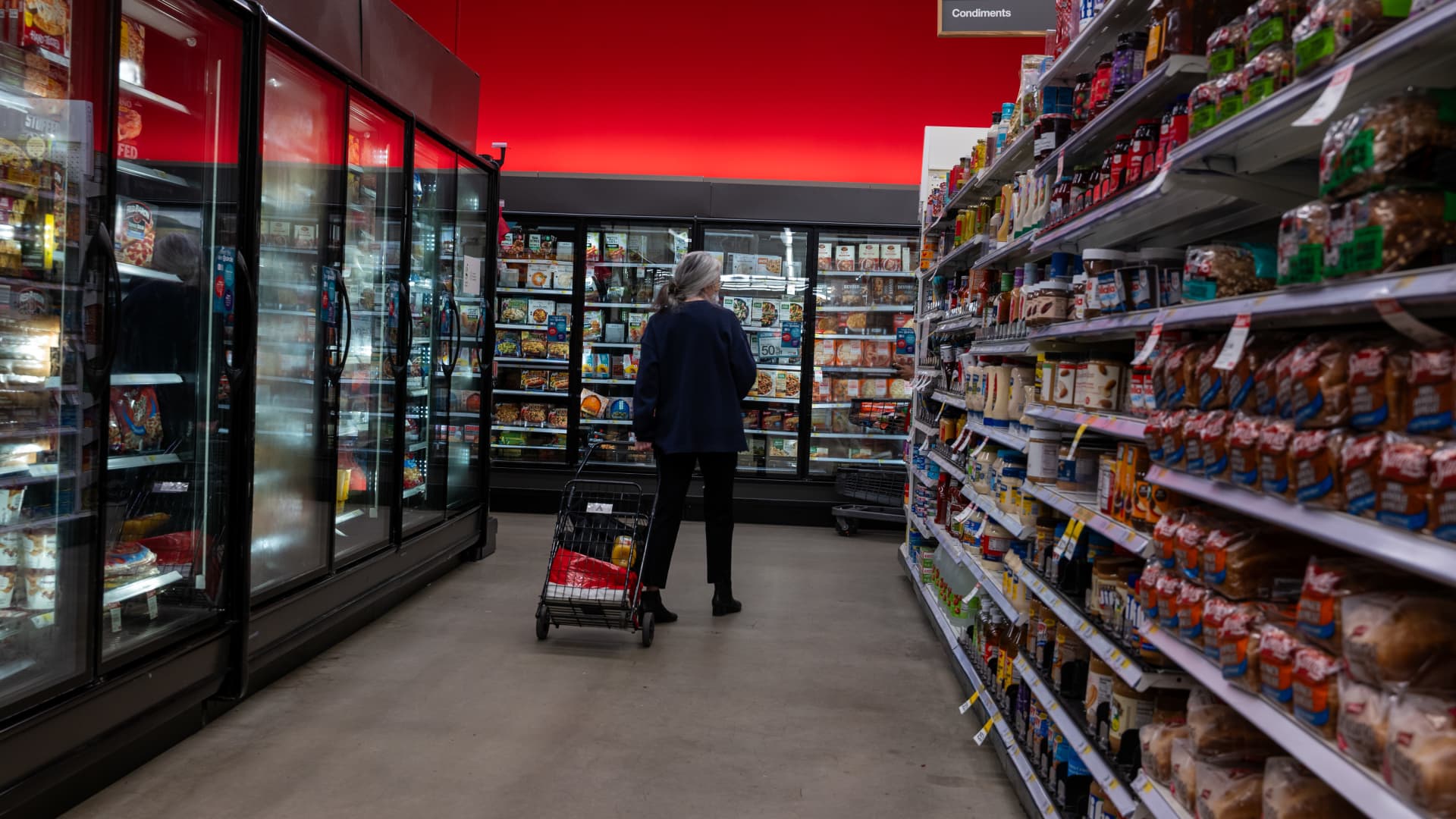
Economists Predict Worsening Inflation Due to Tariffs by Summer
Economists caution that the repercussions of President Donald Trump’s trade policies and ensuing trade conflicts are expected to become significantly apparent by the middle of the year.
According to Mark Zandi, the Chief Economist at Moody's Analytics, the inflation figures could look notably unfavorable by May, and certainly by June or July.
Tariffs as a Hidden Tax and their Consumer Impact
Tariffs function as a form of taxation on imports, and these costs inevitably trickle down to consumers, as noted by experts.
Though discussions continue on whether these tariffs represent a single moment of price escalation or a lasting financial challenge, it is clear the consumer will feel the pinch.
Research from the Yale Budget Lab has highlighted that U.S. consumers may see their purchasing power diminish by approximately $4,400 in the short term.
Complications and Unforeseen Effects of Tariffs
Economists point out that current federal inflation data is not yet showing a significant impact from these tariffs.
Ironically, the looming threat of a worldwide trade conflict might have even exerted 'beneficial' influences on inflation rates recently, according to Zandi, particularly in March. The drop in oil prices, due to fears of an economic downturn, is one such indirect influence.
Preston Caldwell, head economist in the U.S. at Morningstar, suggests that it will take time before the broader economic system fully feels the inflationary pulse.
Expected Gradual Increase in Consumer Prices
Thomas Ryan, an economist at Capital Economics, predicts that consumer prices could start moving noticeably higher as early as May if current trade policies persist.
He explains in an email that price hikes gradually make their way through the production chain, initially affecting manufacturers, followed by distributors, and ultimately reaching consumers.
Capital Economics anticipates the consumer price index could reach about 4% in 2025, doubling the Federal Reserve's long-term objective.
Food and Physical Goods: The First Wave of Price Increases
Mark Zandi anticipates food prices will be among the first to rise due to their perishable nature, making it hard for retailers to delay passing costs on.
In contrast, other product categories, such as automobiles and electronics, might see slower changes as sellers exhaust older inventory not subject to the tariffs.
Zandi foresees a broad increase in prices for tangible goods, including clothing and furniture, by the time Memorial Day arrives.
Retailers' Strategies to Mitigate Consumer Backlash
Retailers are likely to implement gradual price increases over time to mitigate customer dissatisfaction, Ryan points out.
Some businesses might attempt to preemptively raise prices ahead of tariff-related cost increases, although Caldwell warns this may attract negative public and political attention.
Potential Shifts in Trade Policy
The trajectory of tariff policy remains uncertain, with the administration maintaining a 10% universal tariff on imports, except for some nations like Canada and China, which face specific tariffs exceeding this baseline.
Service costs, especially in sectors like tourism, might see declines if foreign markets impose their own trade policies or the demand for U.S. services drops, as Zandi suggests.
There has been a noted decrease in travel-related expenses, such as lower hotel rates and airline ticket costs, potentially linked to reduced international visitor numbers.
Leave a Reply