


Migrants in Tijuana Face Uncertain Futures After Asylum Hopes Diminish
A Russian national arrived at the edge of the United States and Mexico on March 1, knowing that his chance for asylum might have already slipped away. Despite the change in administration, he remained optimistic that he might be granted entry into the U.S. to apply for asylum.
Slavik, an engineer by trade aged 37, fled Russia due to persecution for supporting an opposition political figure. With aspirations of legally seeking refuge in the United States, and with friends ready to support his move, he encountered unexpected obstacles.
He found himself in Tijuana, staying at a migrant shelter, contemplating his future without a clear path to asylum.
"I adhered to the rules and waited," Slavik shared, using a pseudonym due to concerns over safety. "Now it seems that crossing illegally is the only option left."
Many migrants in Tijuana, like Slavik, attempted to book appointments with U.S. immigration through an administration-specific app, but faced barriers as former policies blocked access. This has led many migrants to disperse from the area.
Shifts in Migrant Settlements and Aid Availability
With legal entry obstacles growing larger, many in Tijuana have lost hope. Migrant shelters that were once crowded now house only the most desperate, and local humanitarian groups are facing closures due to dwindling numbers.
The previous administration’s immigration policies have drastically decreased migration flows. The decrease in numbers has led aid organizations to shut their operations, lacking people to serve.
Also compounding these issues are financial cutbacks that have deeply affected shelters' operations, as well as reduced health services that were once available for migrants.
Legal advocates like Lindsay Toczylowski express the frustrations of having no real solutions for those in need, often turning to the heartbreaking reality of saying, "I'm sorry, there are no options."
Despite current decreases in illegal crossings, there is an expectation among advocates that attempts will inevitably rise again.
The Reality of Migration Routes and Shelter Life
On his journey, Slavik sought refuge first in Turkey and Georgia, but soon realized these were not safe havens and eventually arrived in Tijuana.
Returning to Russia is impossible for him, as contributions to a political opponent have branded him as a target there. Language barriers and asylum challenges leave him with limited geographical options.
Slavik now contemplates illegal entry as potentially his only remaining move. "If mass attempts are happening, maybe I should try too," he reflects.
Albergue Assabil, a shelter primarily for Muslim migrants where Slavik took refuge, has seen half its residents depart since previous election results. Many chose to return home, despite inherent dangers.
On a typical day at the shelter, life unfolds with haircuts in the courtyard, distribution of donated essentials, and community activities for youth. Yet, director Angie Magaña emphasizes the slim chances of asylum in the U.S. and suggests Mexico as a viable alternative.
Lawyers witnessed significant policy changes with the new administration, unable now to secure humanitarian entry where previously possible. This leaves many cases desperate and seemingly without options.
Efforts Stunted by Policy and Financial Restrictions
A halt in the appointment system has left vulnerable families in limbo at U.S. entry points, turned away with no asylum process in place.
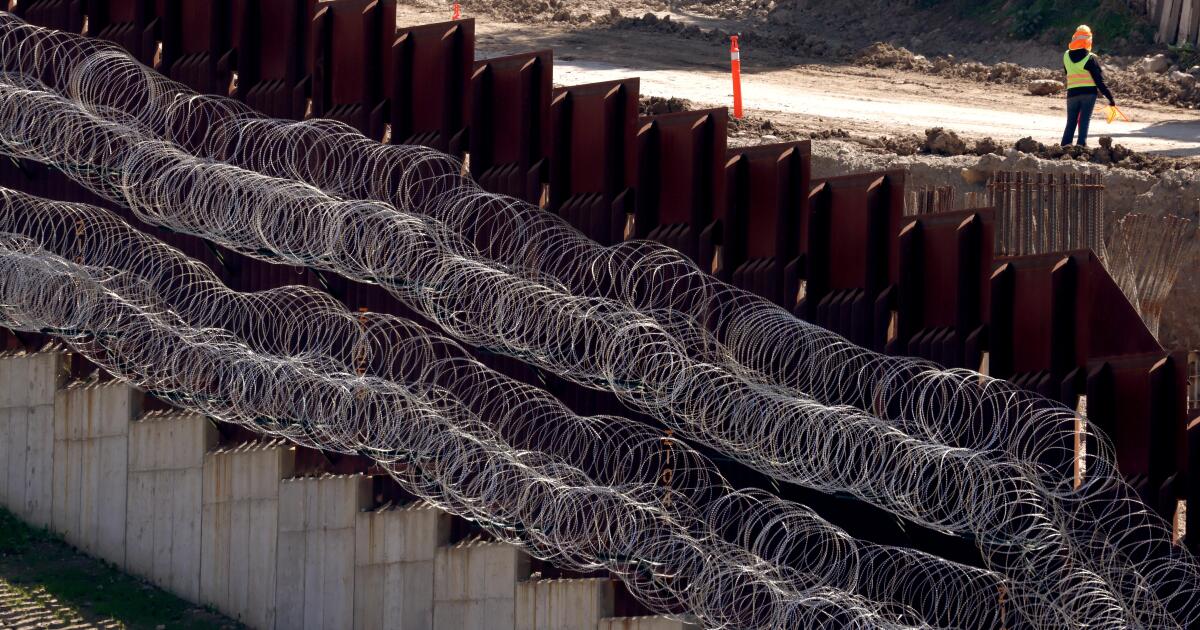
Border patrols, now with reinforced barriers, deter illegal crossings, leading to heightened risks on the part of would-be migrants.
Financial audits and policy changes have frozen many foreign aid programs, with significant migration-related funding cut, affecting Central American deterrent efforts.
In Tijuana, policy outcomes led to facility closures, impacting migrant healthcare and support services, further stressing remaining organizations.
Rojas, a midwife working at capacity, sees the pressing need for more resources as her team continues vital care for women's health amid rising demands.
Financial constraints have impacted food provision, with few able to help maintain nutrition levels for migrants sustaining on minimal support.
Shelters like La Casita de Union Trans, serving the transgender community, strive to provide hope and opportunity despite political setbacks.
Among them is Miranda Torres from Venezuela, whose journey north encompassed severe trials, culminating in multiple failed attempts to cross into the United States.
After facing threats and survival challenges, Torres decided to file for asylum in Mexico, embodying a resolve to create a future regardless of location.
"My aspirations reside within me," she states, resolved to pursue dreams in a new land if blocked from her original destination.
Leave a Reply