


JPMorgan Chief on Impact of Trump's Tariffs: Inflation and Economic Slowdown
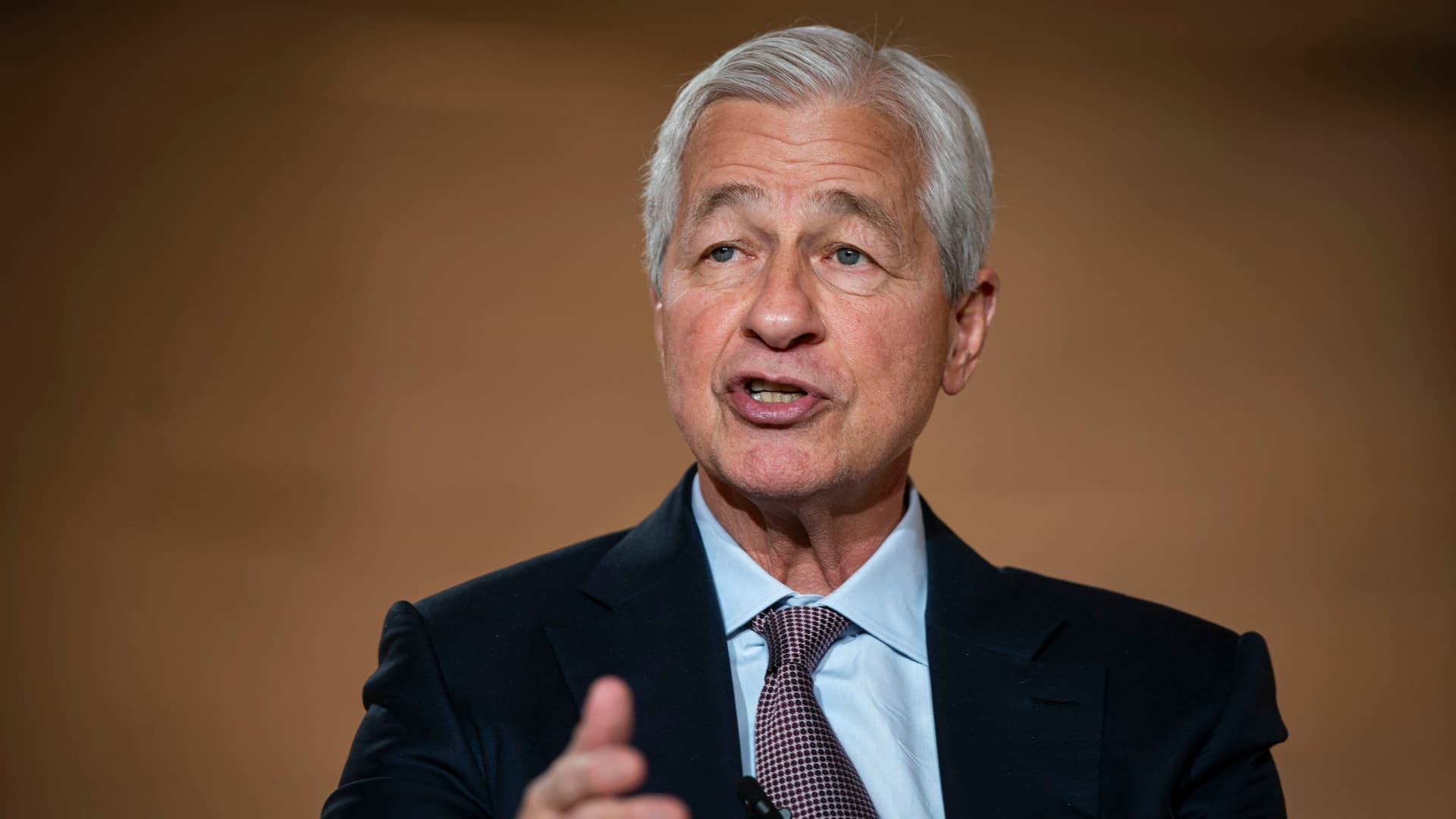
JPMorgan Chase CEO, Jamie Dimon, has sounded the alarm on the potential ramifications of President Trump's recently unveiled tariff measures. Announced the previous week, these tariffs may lead to increased costs on both domestic and international products, posing challenges to an American economy already experiencing a decline.
In his annual letter to shareholders dated April 2, Dimon, aged 69, engaged with the tariff conversation, a piece of communication that provides insights into his evaluations of the financial landscape, managerial efficiency, and pressing national issues.
Dimon explained that regardless of one's stance on the tariffs' legitimacy or their long-term effects, they will have immediate impacts: inflation could rise not just for imported goods but for local products as well, as increased production costs and demand pressure domestic prices.
Although it remains uncertain whether these tariff policies might result in a recession, Dimon noted, there is no doubt that growth rates will be affected.
Uncertain Economic Paths Ahead
Dimon, prominent as the first significant Wall Street figure to confront Trump's extensive tariff strategy, voiced concerns amid a backdrop of plummeting global markets. His observations arrive at a time of pronounced market volatility, akin to the sell-off spurred by the initial Covid-19 scare in 2020.
Interestingly, earlier in January, Dimon had shown support for the tariffs, suggesting they were beneficial for national defense. At that juncture, the tariffs under consideration were markedly less severe than those recently declared.
Dimon highlighted multifaceted uncertainties, such as how these tariffs might affect international capital movements, the strength of the U.S. dollar, corporate earnings, and possible international retaliations.
He stressed the urgency of swiftly resolving the issue, warning that prolonged negative consequences could magnify over time, complicating any future corrective measures. This situation, he metaphorically described, is yet another heavy load on a precarious situation.
Concerns Over Economic Resilience
Despite substantial fiscal stimulus from $11 trillion in government actions contributing to a robust performance in recent years, the economy has shown signs of fragility even before the tariff decisions were made public.
Dimon warned that inflation may be more persistent than anticipated. If this scenario plays out, the interest rates that have been elevated thus far may not decrease even if the economic slowdown worsens.
He acknowledged the economic volatility marked by geopolitical tensions, beneficial tax and regulatory reforms, as well as harmful tariff practices and prospective trade conflicts.
As Dimon pointed to the significant decline in U.S. stock values, he expressed skepticism about current market valuations, which might overly rely on assumptions of a gentle economic softening.
Concluding, he mentioned, 'The markets seem to anticipate a mild economic adjustment. However, I remain unconvinced of such optimism.'
Leave a Reply