


Small Business Owners Speak Out on Trump's Tariff Policy
Wendy Brugh, who runs Dry Ridge Farm in North Carolina, likened President Donald Trump's tariff move to "rubbing salt into a wound that's just starting to heal."
At a meeting of small business proprietors, Brugh expressed concerns that tariffs will drive up costs on items essential for farming—ranging from fertilizer to tractor parts. This comes as farms are still on the mend from damaged crops due to Hurricane Helene.
Brugh emphasized her worry over the unpredictability of retaliatory tariffs, especially regarding their main expense: animal feed, as she shared with Asheville's WLOS.
Tariffs Targeting International Trade Partners
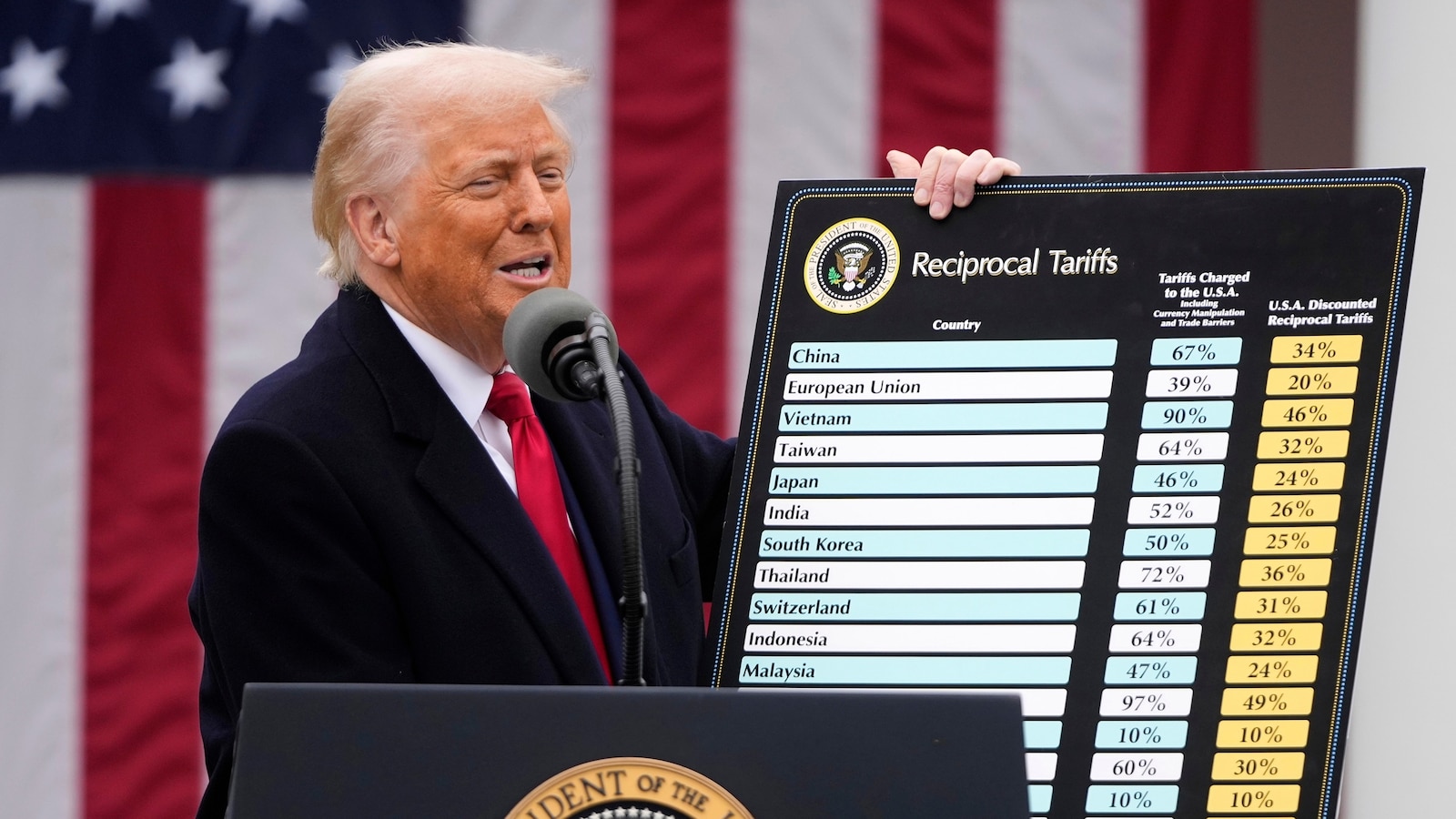
Trump's new tariff plan was announced to apply broadly, targeting almost all countries the U.S. trades with. He termed these measures "kind reciprocal tariffs," focusing on countries like China and the European Union, which he claimed are problematic trading partners.
The laid-out tariffs include a starting rate of 10% on importers globally, with specific rigorous taxes for particular nations.
Mixed Reactions from Small Business Owners
Hendrick Svendsen, who owns a furniture shop in Kansas, revealed his decision to shut down his business, attributing it to Trump's tariff plans. Svendsen highlighted the challenges of sourcing from American manufacturers, as 90% of their products are imported.
He shared concerns about the feasibility of reviving furniture manufacturing within the U.S., specifically in North Carolina, which he described as now barren of such industry.
The dwindling of manufacturing jobs was noticeable, pointing to recent data showing a dip in employment within the industry.
Economic Strain and New Opportunities
Simon Bryant, who owns a restaurant in San Francisco, expressed concern about the rising cost of food due to the tariffs, adding pressure to the existing challenges from bird flu impacts.
Nevertheless, Duane Paddock, running a car dealership in New York, chose to stay optimistic. He believes that the tariffs might ultimately serve America's interests and hopes to maintain competitive pricing and assist customers.
"I have faith in the presidency's decisions, irrespective of party lines," Paddock stated.
Paddock argued for the return of manufacturing to the U.S. as a pathway for revitalizing the middle class and fostering better living standards over time.
Manufacturers’ Perspective and Long-Term View
James Evans, a car parts manufacturer in the U.S., welcomed the tariffs, anticipating gains within the next few years despite short-term hurdles.
He projected that enduring minor difficulties now could lead to significant benefits down the line.
In South Carolina, the shrimp industry sees potential for growth as Rocky Magwood anticipates local sales to improve with lesser competition from imports.
Industry Limitations and Global Dependencies
Leah Ashburn, CEO of Highland Brewing in North Carolina, outlined the challenges of shifting beer can production to the U.S., given the high reliance on imported aluminum, with U.S. production insufficient for domestic demand.
She noted that such a transition would entail a lengthy and costly process, which cannot occur immediately.
Moreover, price hikes could prove detrimental, as consumers are resistant to further rises in product costs.
The basic tariff rate is set to start in early April, with the extended tariffs activating shortly thereafter, impacting approximately 60 countries.
Leave a Reply