


The Shift in Corporate Pride Support
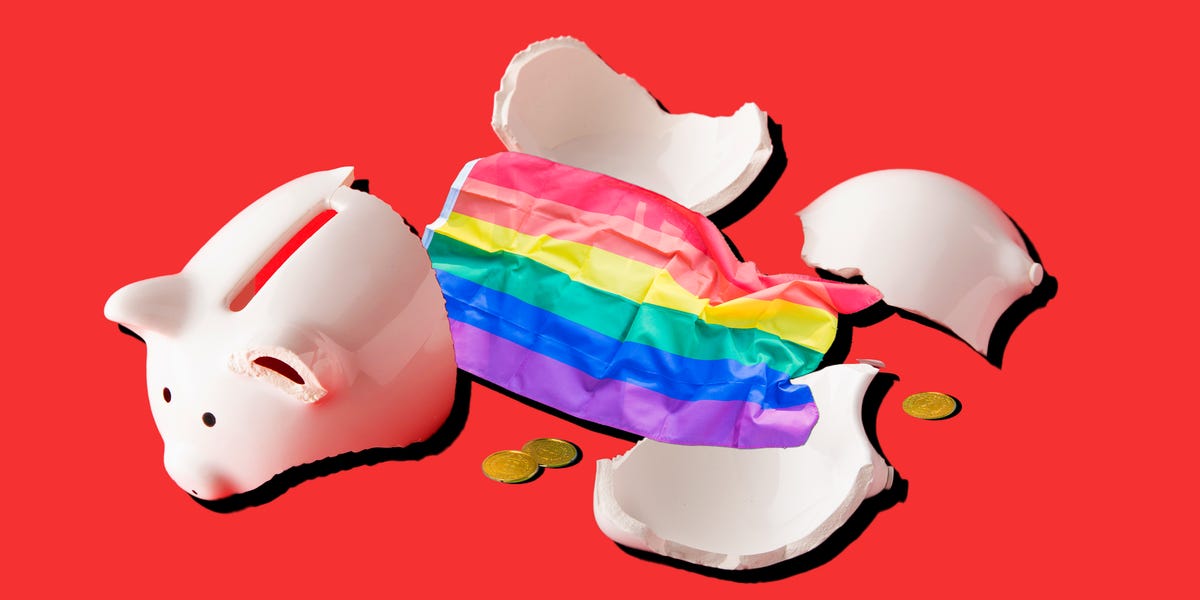
This year, the atmosphere surrounding Pride celebrations is taking a turn. Kevin Kilbride notes that nearly a third of corporate sponsors for New York City's Pride are hesitating on their contributions. With the event just months away, this hesitancy is unusual as companies tread carefully and cautiously, or as they put it, with strategic intent.
Some businesses cite political challenges, referencing the government's critical stance towards diversity, equity, and inclusion (DEI), while others point to economic issues as reasons for their financial reluctance. Kilbride mentions a notable sponsor who wishes to remain anonymous while still maintaining their funding.
Kilbride conveys disappointment, emphasizing how businesses have historically championed LGBTQ+ causes and brought them to prominence. Unfortunately, not all previous partners are continuing this legacy seamlessly. As June's Pride month nears, the financial landscape looks markedly less warm, contrasting with past concerns about Pride's commercialization.
Corporate Retraction and Economic Concerns
Bob Witeck, an expert in LGBT business communications, observes that companies are reconsidering their involvement due to a complex environment. San Francisco Pride has witnessed significant backouts from brands like Anheuser-Busch, Comcast, Diageo, and Nissan, risking a substantial financial gap in their $4.1 million budget.
Suzanne Ford of San Francisco Pride suggests that political pressures influence corporate decisions, leading them to tactfully abstain from controversy. However, withdrawals have triggered new sponsor interest, including a return from Levi's, and individual donations are on the rise. Pride's economic contribution, historically significant, is optimistic for further growth.
Local and International Dynamics
In Washington, DC, several sponsors, including Booz Allen Hamilton, have stepped back, possibly due to federal contract implications under recent executive actions. Capitol events face similar uncertainty in Denver and Toronto, with significant funding dips and disappearing sponsorships, highlighting a cautious climate.
Kojo Modeste of Pride Toronto indicates reluctance among US-based sponsors, potentially due to broader economic and political tensions. Despite some Canadian support, the shortfall remains daunting, emphasizing the escalating costs of organizing annual events.
Returning to Grassroots
Smaller Pride events, such as those in Colorado Springs and Montana, reflect a move towards grassroots support, offsetting declines from top-tier sponsors with increased engagement from smaller, local contributors. In Montana, the approach is cautiously optimistic, balancing past sponsor dependency with new, universally safer practices.
The current withdrawals occur amid growing corporate reluctance to appear too invested in DEI initiatives. With pressure to downsize or eliminate these programs, many companies distance themselves from visible affiliations as they navigate a complex political landscape.
Pride's Enduring Legacy
Fabrice Houdart, focusing on human rights, suggests some companies may be detaching from campaigns they never fully embraced due to shifting political winds, exposing weak foundational commitments. Historically, businesses have led on LGBTQ+ rights, but now, Pride might pivot back to its original activism roots.
Ford insists that despite fragile perceptions, Pride has consistently managed challenges. Future plans involve reducing reliance on corporate backing, encouraging grassroots, individual support. Financial shifts may lead to a stronger, more self-reliant community presence in events.
In New York, Kilbride notes an uptick in support as some sponsors reconsider their exits, drawn back by the potential visibility and mutual corporate anxiety over departing from public support roles.
Leave a Reply