


Taiwan at a Crossroads: Rethinking Reliance on U.S. Security Assurances
Authored by former Taiwanese Minister of Culture Ms. Lung, writing from Taitung, Taiwan.
It’s common for Taiwanese taxi drivers to engage passengers in lively conversations. During a recent trip through southern Taiwan, my taxi driver casually asked about my day before making a stark statement: 'Ukraine today, Taiwan tomorrow.' This sentiment reflects a growing fear within Taiwan following President Trump’s reduction of unconditional support for Ukraine, especially after he publicly belittled Ukrainian President Volodymyr Zelensky at the White House last February.
This shift in U.S. foreign policy raises unsettling questions for Taiwan: if the United States can distance itself from Ukraine to improve relations with Russia, could it similarly abandon Taiwan to appease China? Historically, Taiwan has justified its tense relations with China—viewed as an existential threat that might one day attempt forced unification—by counting on American military backing as a defender of democracy and freedom. This reliance has lulled Taiwanese leaders and citizens into a false sense of security, delaying necessary discourse on how to address China's threat while preserving their democratic way of life.
The Urgency for a National Dialogue
With President Trump demonstrating a willingness to disregard democratic principles and abandon allies, Taiwan must urgently commence a national discourse on securing a peaceful arrangement with China that aligns with Taiwanese values and interests, rather than leaving its fate to be determined by influential global powers.
Across online forums and in daily chats, Taiwanese citizens express skepticism about the U.S. commitment to their defense—questioning if the United States refrains from defending a friendly Ukraine’s sovereignty, did the sacrifices of young Ukrainian lives mean nothing? A survey conducted on a popular Taiwanese college student platform in early March put forth a dilemma: following Ukraine’s experiences, should Taiwan engage in self-defense against potential Chinese aggression or consider surrender? The majority of respondents preferred submission.
Political Leadership Amid Uncertainty
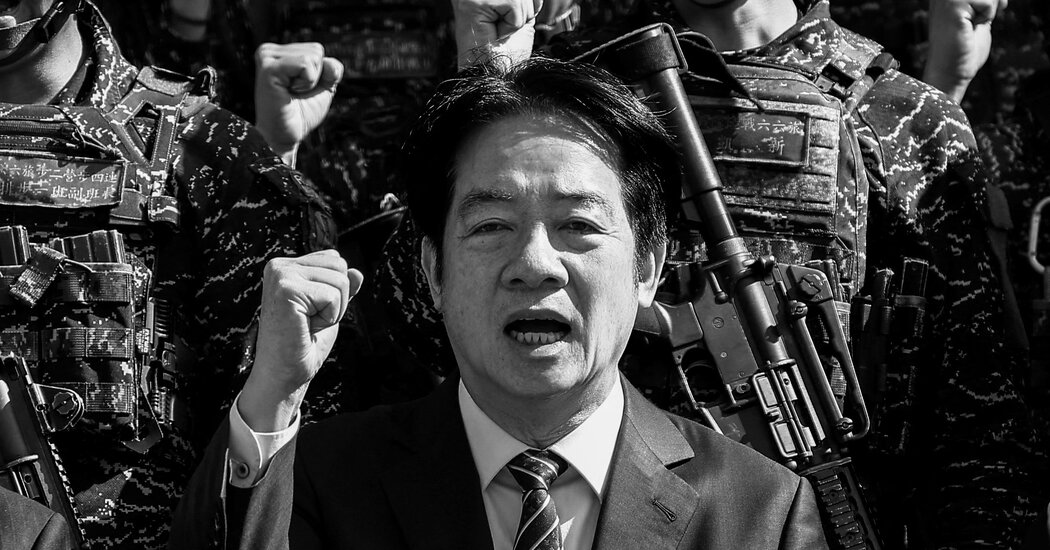
President Lai Ching-te seems detached from these prevailing anxieties. Instead of fostering inclusive discussions involving diverse perspectives around Taiwan on the strategic path ahead, he continues to foster a narrative of fear and opposition, harking back to the ominous language of the Cold War era.
Leave a Reply