


New Intel CEO Admits Lagging Performance, Seeks Direct Feedback
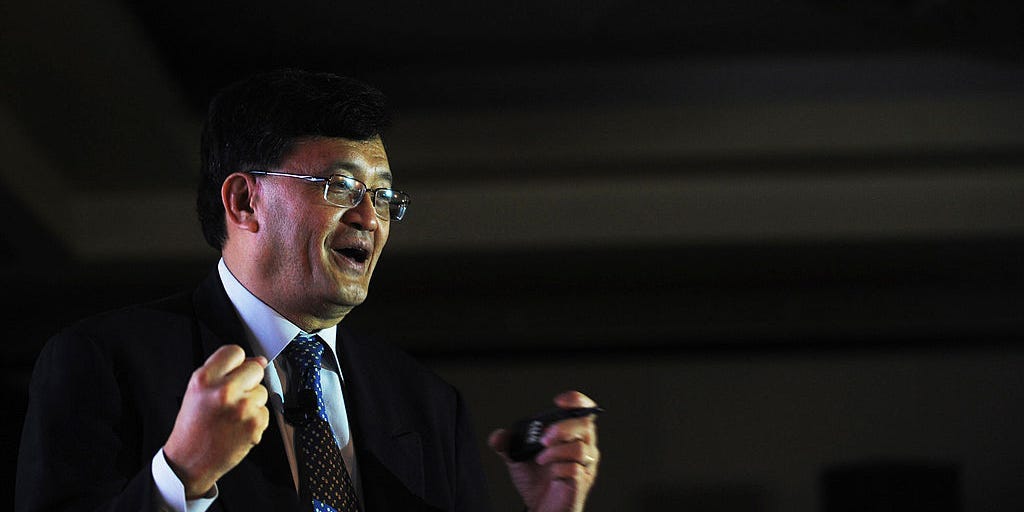
In his inaugural address since taking over on March 18, Intel's new chief executive, Lip-Bu Tan, candidly acknowledged the company's recent failure to meet expectations and urged customers for candid feedback.
Tan highlighted during a Las Vegas Intel event how imperative it is for the company to be more agile in addressing customer demands. "We must do better to deserve your business," he stated, encouraging the audience to offer unreserved honesty.
Reflecting on his professional journey, Tan shared insights from his upbringing in Asia and his prior executive experiences, where he recognized the crucial nature of customer insights.
Leadership Transition and Strategic Goals
Following Pat Gelsinger's unexpected exit in December, Tan stepped up with over 16 years at the helm of Cadence, a leading electronic design automation company. Joining Intel's board in 2022 and working on mergers and acquisitions, he had to relinquish his board duties citing increased commitments.
Apart from his role at Intel, Tan serves as chairman of the venture capital group, Walden International, and has been active on boards for renowned companies like SoftBank and Hewlett Packard Enterprise.
Plans for Business Overhaul
At the Monday event, Tan outlined intentions to offload non-essential business segments to streamline company operations. Although specifics were not given, he alluded to potential advancements in robotics.
Expressing a deep connection to Intel, Tan remarked, "Observing its challenges was difficult. I couldn’t abstain from engaging when transformation was possible."
Challenges and Market Dynamics
Once the undisputed leader in semiconductor manufacturing, Intel has recently fallen behind rivals like Nvidia, Samsung, and other American and Taiwanese competitors, particularly missing innovations such as smartphone proliferation and the AI boom. Giants like Microsoft and Google developing their own chips further restrict Intel's market.
In 2024, Intel's shares plummeted by nearly 50% amid fiscal struggles, inducing substantial layoffs and strategic buyouts under Gelsinger’s leadership.
December brought a shift in strategy focusing on efficient capital use—a shift from "no wafer left behind" to "no capital left behind"—aimed at reducing waste and boosting efficiency.
This year, Intel has witnessed a 13% stock price recovery, partly due to Tan's leadership and potential collaborations with industry leaders like Nvidia and Broadcom for manufacturing initiatives.
Leave a Reply