


Liberate Gaza from Internal Oppression First
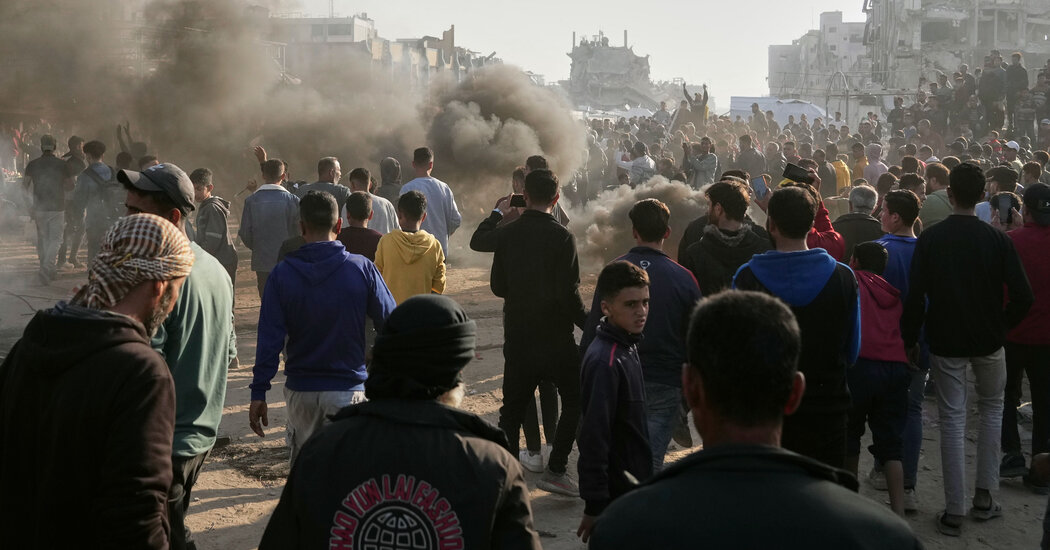
The name Odai Al-Rubai should be etched in global memory. This young man, merely 22 years old, courageously took part in demonstrations in Gaza to oppose 18 years of oppressive governance by Hamas. Protestors chanted phrases like “Hamas, leave this territory!” and labeled the group they oppose as “terrorists,” even holding banners that declared “Hamas does not speak for us.” Tragically, his action was met with brutal violence. Al-Rubai was kidnapped, tortured, and ultimately murdered by members of Hamas’s Qassam Brigades, his lifeless body cruelly deposited at his family’s doorstep.
Did the so-called 'Free Palestine' activists at universities like Columbia and U.C.L.A. spare a moment of silence to honor Al-Rubai’s sacrifice? Did they offer prayers for the rehabilitation of another dissenter who purportedly endured abduction by Hamas only to be shot and left in public as a cautionary spectacle?
These recent protests are not unprecedented in Gaza. Significant uprisings also occurred in 2019, severely repressed but largely overlooked by Western news outlets. Insightful observers have long highlighted the suffering of Palestinians under their leaders, pressing for free expression and alleviating the tragic circumstances according to their narratives—yet often greeted with global apathy.
Curiously, some who claim the 'pro-Palestinian' label seem concerned only when Israel can be blamed for Palestinian woes, disregarding the internal oppressors.
A Shift in Hamas’s Grip
Currently, Hamas's ability to exert its usual oppressive force may be compromised. Preoccupied with shielding themselves from Israeli assaults, these strikes inadvertently catalyze Gazans’ aspirations for autonomy: they offer a moment to rise because many Palestinians now see unending conflict with Israel tethered to Hamas’s militant posture. Protests are thus emboldened, seizing a chance to destabilize and potentially topple a tyrannical regime.
In power, Hamas exemplifies despotism. Yahya Sinwar, who orchestrated severe violence on October 7 and once led Hamas in Gaza, ascended its ranks by ruthlessly eliminating other Palestinians he deemed traitorous. He established a pervasive system of domestic surveillance and coercion. Sinwar cynically referred to the civilian deaths in Gaza as beneficial to his cause. Hostage exchange conventions showcasing well-fed Hamas militants further underline how leadership flourishes amidst the deprivation of ordinary citizens.
Leave a Reply