


International Tourism Boost and Challenges for Japan's Ski Towns
Japan is renowned for its seasonal allure; travelers flock for cherry blossoms in spring and vibrant foliage tours in autumn. Recently, winter has joined the ranks as an increasingly popular time to visit, drawing visitors interested in the country's premier ski experiences.
The appeal of Japan's snow-covered destinations is evident in the influx of foreign visitors, which surged by 33% last winter, outnumbering pre-pandemic figures. From December 2024 to February 2025, about 10.5 million people arrived, surpassing the 7.9 million recorded in a similar period back in 2018, according to data from the Japan National Tourism Organization.
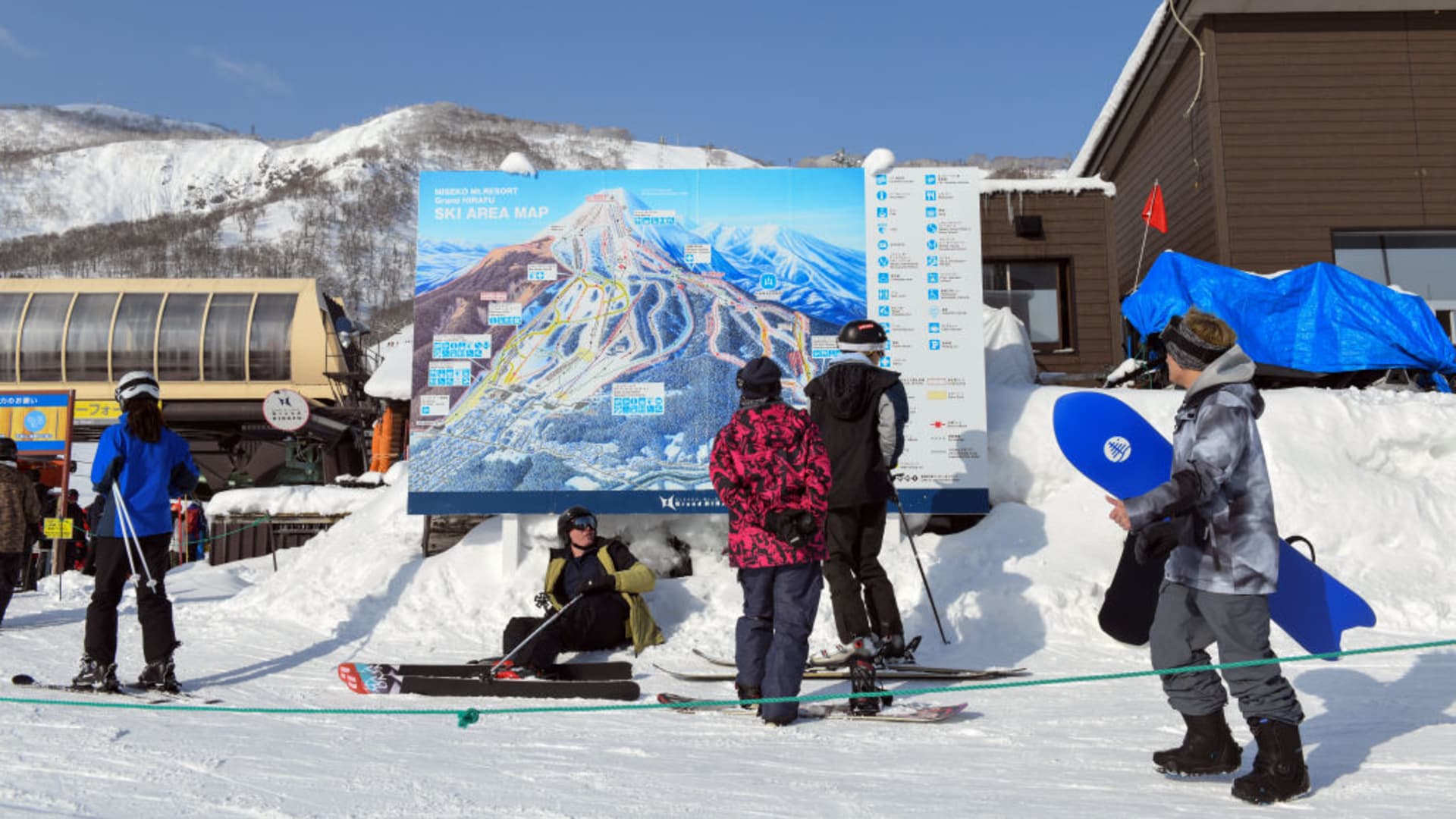
Famous for their powdery slopes, regions like Niseko, Hakuba, Yamagata, and Yuzawa have drawn record numbers of international skiers, as highlighted in a recent Visa report. These ski destinations saw even more visitors during the 2023 season, boasting a remarkable 50% increase in international arrivals.
Visitors mainly hail from Australia (30%), the United States (20%), and Southeast Asia (15%), and contribute to a significant rise in spending. Foreign skiers outspend locals by a wide margin, further boosting the economy, as noted in Visa's findings.
Domestic Appeal on the Decline
Despite this increase in international visitors, many Japanese ski towns face tough challenges, especially those that lack a substantial foreign presence. These areas are hit hard by dwindling domestic interest in skiing, which has fallen 75% since the sport's peak in the early 1990s.
According to the Japan Productivity Center, the skier and snowboarder population plummeted from 18.6 million in 1993 to just 4.6 million in 2023. Contributing factors include an aging population, low birth rates, and shifting leisure preferences among younger generations.
The decline is mirrored in the decreasing number of operational ski resorts, dropping from 1,669 in 1985 to 449 by 2021. Notable closures include some of Japan's most esteemed resorts, as noted in major English-language media.
Canadian Harvey Glick, who has frequented Japan for snowboarding for nearly 20 years, recounts witnessing many resorts either shutter or barely hanging on, especially in rural Honshu and Hokkaido.
Glick observed that surviving ski destinations are increasingly catering to affluent international tourists due to their higher spending, attempting to rebrand Japan as a luxury ski destination, akin to Switzerland.
This strategy is particularly evident in Niseko and Hakuba, where upscale resorts offer English-speaking staff and attract glowing reviews.
Aman Narain from Singapore booked a visit to Hokkaido’s Club Med Tomamu after receiving recommendations, finding it ideal for family skiing trips, especially with its comprehensive packages that include lift passes, lessons, and equipment rental.
Narain's January visit coincided with the Lunar New Year, noting that a significant portion of the guests, about 80%, were from China.
Japan has even surpassed the United States, becoming the preferred ski destination for Chinese tourists seeking snowy adventures.
Cindy de Oude from South Africa, a regular visitor to Niseko for over two decades, remarks on the post-Covid increase in visitors from Hong Kong and the rising luxury of the hospitality and dining scenes, prompting her to pre-book accommodations and dining experiences well in advance.
Despite these changes, she insists that the incredible quality of the snow has remained consistent.
The Complexity of Popularity
Visa data revealed that nearly half of the overseas tourists in Japan during the last winter season visited Niseko, a favored area in Hokkaido, which also accounted for the majority of international spending during peak ski times.
An emerging competitor, Nagano's Hakuba, sometimes dubbed the 'second Niseko,' is rapidly gaining popularity, now taking up approximately 35% of the international ski-related expenditures.
Harvey Glick, however, has opted to steer clear of Niseko and Hakuba, criticizing the new atmosphere and soaring prices that, he believes, exclude many potential visitors.
Online discussions mirror Glick's sentiments, with some visitors lamenting the influx and chaotic situations at popular sites like Niseko, where amenities are stressed by the sheer number of tourists.
In contrast, Glick now seeks lesser-known resorts with a more traditional Japanese ambiance and fewer foreign tourists, offering unique charm and reduced crowding.
Investing in Japan's Snowy Future
Rising global interest in skiing in Japan is attracting substantial foreign investment. A notable example is the $1.42 billion mega-resort planned by Patience Capital Group in Myoko Kogen for 2023, aimed at revitalizing the Niigata prefecture as a skiing hub.
Despite the optimism around these developments, local concerns persist over the risk of losing cultural essence and the sufficiency of job creation.
Tensions occasionally surface, such as friction between locals and tourists over cultural habits, exemplified by a viral incident involving a local man's confrontation with a tourist about smoking at a ski resort.
Glick concludes that while the allure of luxury resorts is evident, he remains drawn to more local, smaller-scale resorts, appreciating their authenticity and affordability, with full-day lift tickets costing as low as $35.
Leave a Reply