


Important Considerations for Green Card and Visa Holders Traveling Internationally
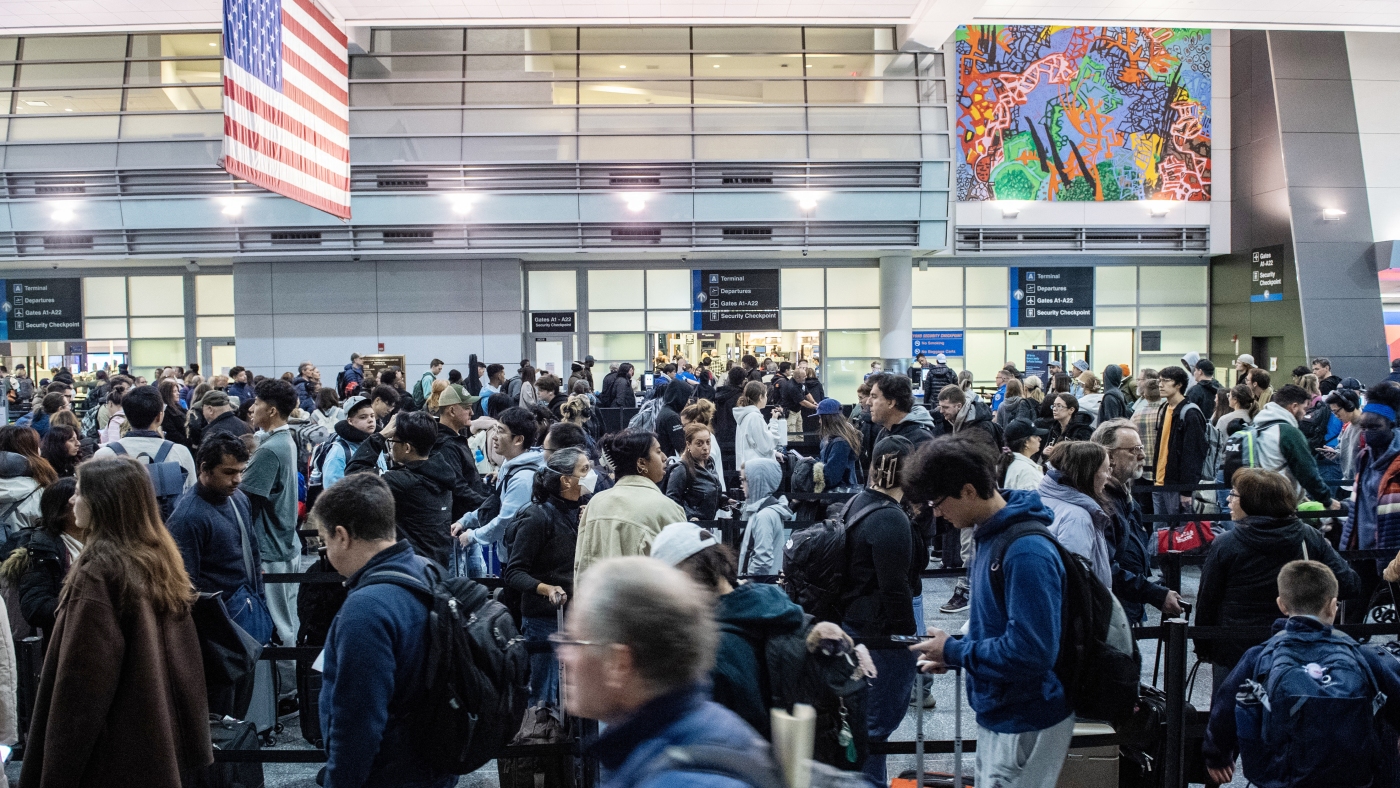
As travel from and to the United States grows more hazardous for some individuals, even valid visa and green card holders face heightened inspection processes.
In recent times, foreign visitors, visa carriers, and lawful permanent residents have encountered more intense questioning at airports and borders. This trend aligns with broader efforts to curtail immigration, both lawful and illegal, driven by policy changes from the Trump administration.
With holidays like spring break and summer vacation approaching, there has been rising concern about detentions of visa and green card holders during travel.
For instance, Brown University has advised its international students and staff to avoid traveling outside the U.S. unless necessary. Similarly, countries such as Canada, Germany, Denmark, and Ireland caution their citizens to follow all U.S. entry protocols meticulously to avoid detention.
Hilton Beckham, a U.S. Customs and Border Protection (CBP) official, assured NPR that individuals with green cards, who comply with U.S. laws and application procedures, should face no issues with entry or exit.
Understanding Your Rights and Risks
Immigration lawyers stress that the risk associated with international travel varies, making it crucial for travelers to know their rights and limitations before planning trips.
Stephanie Gee from the International Refugee Assistance Project outlines three traveler categories entering the U.S.: citizens, green card holders, and temporary visa holders. Citizens have guaranteed entry, while green card holders possess procedural safeguards, although delays can occur if they choose not to engage with CBP officers.
Temporary visa holders, such as tourists and students, possess the least rights at entry points, as CBP has considerable discretion over their admission.
Preparation Before Traveling
Stephen Yale-Loehr, a legal expert, suggests double-checking immigration papers to confirm they are current and valid before traveling.
Factors like potential changes in travel bans for certain countries could alter risk levels for travelers from those locations, although the specific details of such lists remain unofficial.
Visa denials typically result in immediate return to the country of origin; however, some cases of detention have increased.
Specific Considerations for Green Card Holders
Extended trips abroad increase scrutiny of green card holders at U.S. entry ports. Moreover, those with any criminal record, regardless of severity, are advised against leaving the U.S.
Consultation with immigration attorneys is recommended for personalized advice to navigate the intensified enforcement landscape at airports.
Border Inspections and Digital Privacy
While CBP officers may request access to electronic devices, U.S. citizens and green card holders cannot be refused entry solely for non-compliance, unlike visa holders.
Officers may examine devices for evidence that could affect eligibility, such as past criminal activity or associations with terrorism.
Travelers should note down officer details and request receipts if devices are confiscated.
Handling Secondary Inspections
While legal representation isn't obligatory during extra inspection in airports, it's beneficial to have a lawyer's contact information readily available.
It's wise to communicate promptly with someone trustworthy if additional questioning occurs at the border, ensuring they can alert legal help if needed.
Requesting Language Support
Requesting an interpreter when language barriers arise can be crucial, as responses during inspections can significantly affect proceedings.
Documenting the request for an interpreter is advisable, as official records of interviews could play a role in future legal matters.
Leave a Reply