


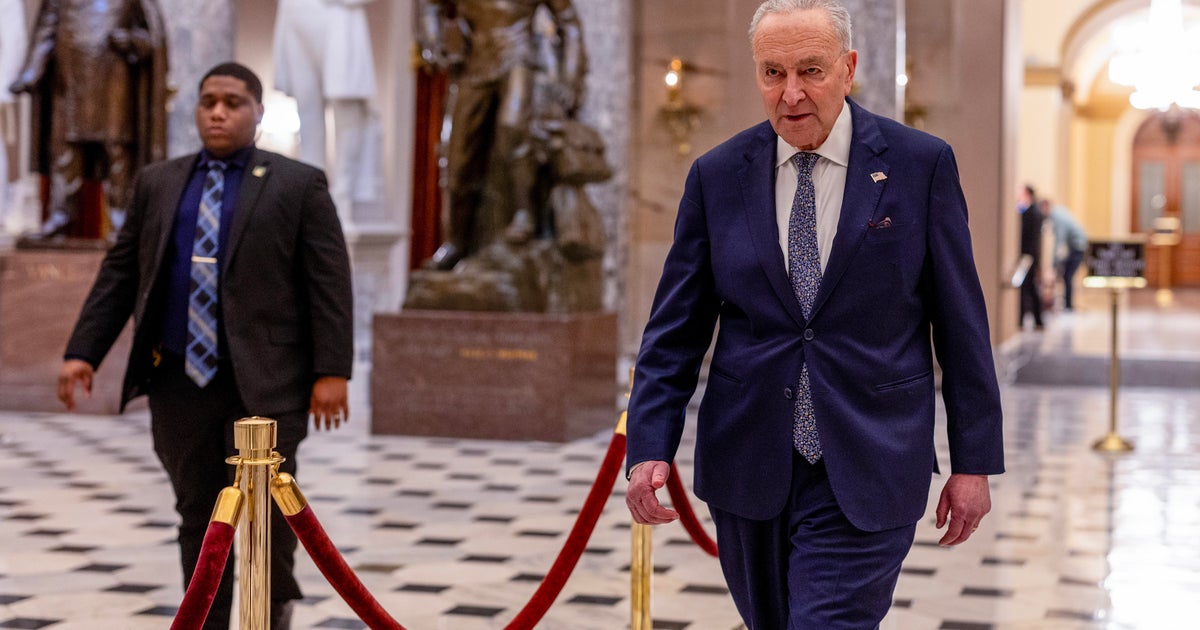
Uncertainty Clouds Leadership as Congress Resumes
Following a brief hiatus, Congress is set to reconvene amidst ongoing repercussions from Senate Minority Leader Chuck Schumer's recent decision to aid Republicans in advancing a contentious funding package.
Democratic lawmakers departed Washington, leaving behind questions and concerns regarding the party's trajectory and leadership, sparked by weeks of tense legislative sessions. Initial hopes of using the recess to publicly counter the Trump administration's influence were overshadowed by internal discord.
At various town meetings from Colorado to California, Democratic constituents probed their representatives about Schumer's choices and his overall leadership in the Senate, foreshadowing difficult discussions upon the party's return to Capitol Hill.
Senator Michael Bennet of Colorado skillfully avoided commenting on Schumer's possible replacement during a recent public meeting, preferring to pivot to former President Biden with comments about leadership transitions.
Remarks calling for potential leadership changes also emerged from Rep. Glenn Ivey of Maryland and Rep. Delia Ramirez. Both voiced respect for Schumer's lengthy service but suggested fresh leadership might be necessary moving forward.
Additionally, youth progressive groups have vocalized their dissatisfaction, urging Schumer through an open letter to either advocate more strongly or consider stepping aside.
Despite these critiques, House Minority Leader Hakeem Jeffries expressed his support for Schumer, albeit initially withholding comment. Similarly, Nancy Pelosi conveyed her trust in Schumer's leadership, with careful wording indicating cautious support.
Schumer's early vow to contest a highly partisan funding bill saw him later concede, ensuring the government's continued operation. His subsequent defense of this decision emphasized the greater detriment posed by a government shutdown.
As dissatisfaction with Schumer mounts, Democrats wrestle with broader issues of party identity and strategy following significant electoral losses in the 2024 cycle. Notably, critiques have not solely targeted Schumer but pointed to overarching Democratic Party challenges.
Senator Bernie Sanders redirected focus from Schumer’s individual role to the party's failure to adequately represent working-class interests. He underscores societal inequalities and healthcare access as major issues.
In Arizona, discussions at town hall events questioned the Democratic Party’s communication tactics, urging a more aggressive stance against Republican opposition as constituents voiced a desire for a more combative messaging strategy.
Leave a Reply