


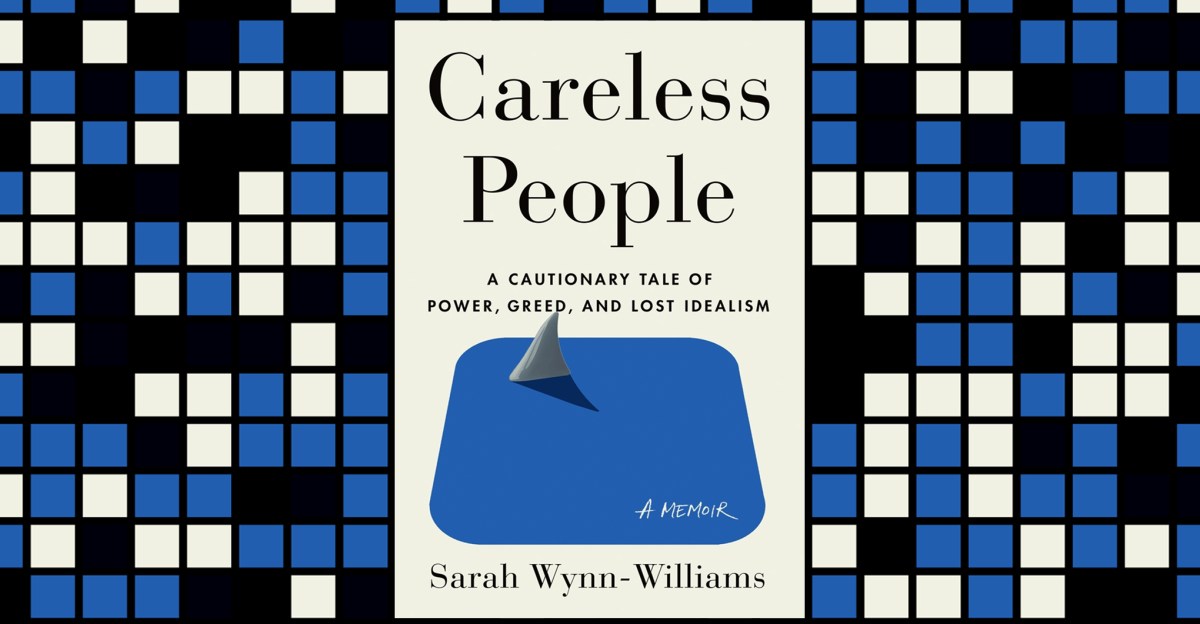
The Challenge of 'Careless People' for Meta
Meta's forceful efforts to suppress discussions surrounding 'Careless People,' a memoir penned by a former employee, have caught the attention of governmental bodies.
The tech giant has pursued legal avenues to nullify the memoir's impact by imposing a restraining order. However, Sarah Wynn-Williams is taking a stand against these actions, attempting to contest the gag order's legitimacy in court.
Wynn-Williams' legal team has filed an urgent application to overturn the decision by the arbitrator, arguing that the nondisclosure clause she agreed to upon departure is invalid. Meanwhile, Meta defends its stance by citing this agreement to prevent her public discourse about the book.
Ironically, attempts to stifle the book have only magnified its reach, evident from its debut at the top of prestigious bestseller lists. The book's revelations have piqued international governmental curiosity.
Offices from the United States, United Kingdom, and the European Union are eager to engage with Ms. Wynn-Williams regarding the societal implications outlined in her work, as revealed in her court submission. These discussions include potential alliances between Meta and foreign powers, and the company's impact on young people.
Meta's historical endeavors in China were extensively documented, reminiscent of past instances when Facebook faced questions about its strategic priorities.
As Mark Zuckerberg adjusts the company's narrative to align more closely with US political frameworks, questions about earlier agreements with international governments, including China, resurface, adding complexity to ongoing policy dialogues.
Attention from legislative members might open new channels for Wynn-Williams to share her narrative again. Although she faces restrictions, congressional inquiries could provide a legal means to bypass existing silencing measures.
The situation mirrors prior disputes involving former company insiders who sought to highlight internal challenges. Each case prompts broader discussions on the balance between corporate interests and accountability.
Despite the controversy, Meta claims that it upholds individual rights as supposedly guaranteed by legal frameworks. However, this pledge is under scrutiny amidst ongoing litigations.
Within circles of enterprise critics and advocates alike, discussions continue to brew, sparking debates about the subjective truths of Wynn-Williams' assertions and the company's counterclaims.
The narrative illustrates an ongoing tension between recollections and reputations, bringing into focus a larger conversation about the ethical dimensions of corporate decision-making in the digital age.
Whether viewed as a narrative of capitalistic exploitation or as a dramatized account embellishing reality, 'Careless People' ignites polarized opinions regarding the tech monolith's influence.
As the discourse around the book unfolds, observers are reminded of the challenges of navigating narratives tightly woven with the complexities of corporate ethics and personal experiences.
Leave a Reply