


Justice Department Considers State Secrets Privilege in Deportation Proceedings
Attorney General Pam Bondi and senior officials from the Department of Justice are considering using the state secrets privilege to prevent a federal judge from accessing sensitive data about two alleged members of the Tren de Aragua gang, according to court documents filed on Wednesday.
The filings harshly criticized Chief Judge James Boasberg from the D.C. District for his insistence on details about the deportation flights. The government claimed, "The judge’s relentless pursuit of trivial information from the administration, which falls squarely within the executive domain, obstructs the judicial process and is irrelevant to the legal matters at hand." The document was endorsed by Bondi, Deputy Attorney General Todd Blanche, and other key figures like Emil Bove and Chad Mizelle.
Officials argued that Judge Boasberg’s requests for specifics about the flights destined for El Salvador constituted a severe overreach of presidential authority under the Alien Enemies Act and inherent constitutional powers.
The Alien Enemies Act of 1798 allows for the summary arrest, detention, and expulsion of foreign nationals without adhering to the due process entitlements typical in U.S. immigration law, such as judicial reviews or asylum applications. President Trump evoked this statute recently to facilitate the deportations to El Salvador.
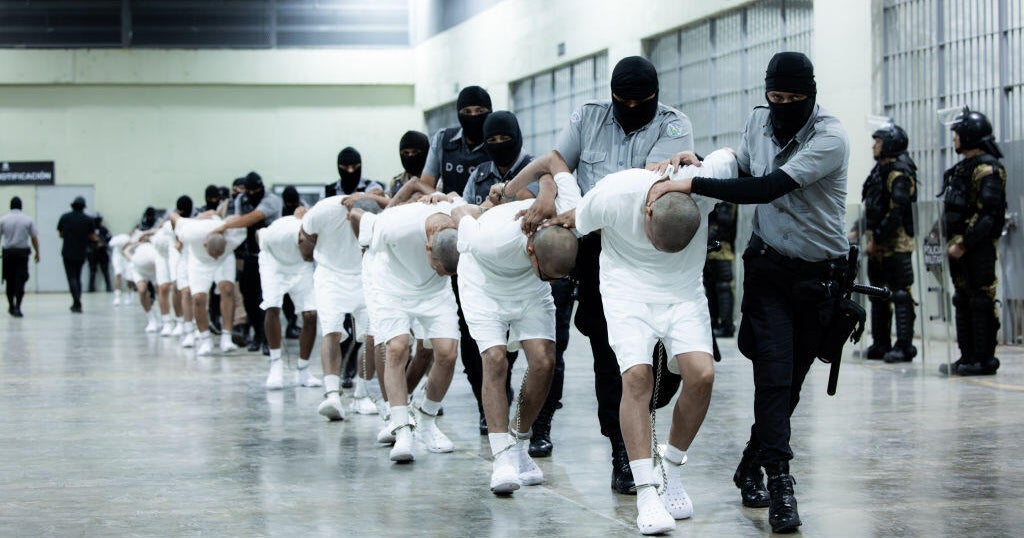
Judge Boasberg attempted to halt the deportations by ordering the flights back while they were in transit. However, the administration noted the aircraft were already beyond U.S. jurisdiction when the order was made, subsequently landing in El Salvador that night. The Justice Department argued that revealing certain operational details might jeopardize sensitive international relations crucial for joint anti-terrorism efforts.
The Department cautioned that such disclosures might hamper the executive branch’s capacity to manage international relationships and foreign affairs.
Judge Boasberg remained frustrated at the government's reluctance to disclose details about the flights and deportation proceedings, issuing a deadline for responses by the following Thursday. He sought information regarding the timing of flight departures and landings, among other details.
Bondi and her team criticized the judge's need for this information, branding it as a "pointless micromanagement of irrelevant details." They suggested the court had diverted more attention to these inquiries than to the legal merits of the class action.
The government argued that acquiescing to Boasberg's questions could expose them to "onerous and unwarranted judicial inquiries and potential public exposure."
Granting a brief extension for compliance, Judge Boasberg questioned the Justice Department's claim of compromising security, reminding them of disclosed operational information by the Secretary of State.
The lawsuit names President Trump and several administration officials, filed by five Venezuelan nationals detained in U.S. immigration facilities.
Judge Boasberg's order temporarily halts the deportations for two weeks, with the Justice Department appealing the decision to a higher court.
Attorneys for the Venezuelan plaintiffs warned that unchecked presidential use of the Act could authorize the same treatment for anyone designated as an enemy alien.
The filing to the appellate court argued that unchecked presidential authority could lead to indefinite detention in foreign prisons under the guise of this designation.
Despite the ongoing legal hurdles, reports indicate that 261 people were deported, with over half under the auspices of the Alien Enemies Act due to alleged gang affiliations. There are still many more suspected members within U.S. borders that the administration plans to deport.
Leave a Reply