


Interest Rates on Hold: What This Means for Americans Now
Despite anticipations, the Federal Reserve has decided not to reduce interest rates for Americans this month. Instead, they have opted to keep rates unchanged, adhering to economic forecasts.
Current Economic Climate
This decision coincides with recent figures from the consumer price index, which indicate a 2.8% rise in inflation from the previous year as of February, slightly under January's 3%. This progression edges closer to the Federal Reserve's goal of a 2% inflation rate. Based on market dynamics, CME FedWatch predicted with near certainty that the Federal Reserve would maintain the current rates post inflation data.
Federal Reserve's Cautious Approach
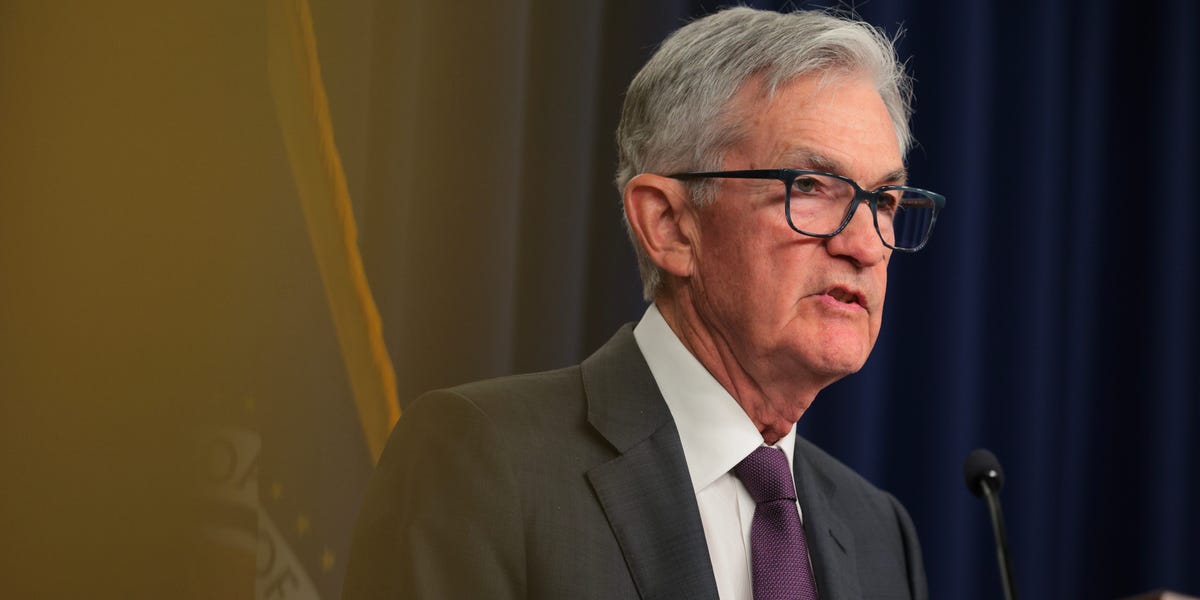
At a press event in January, Jerome Powell, Chairman of the Federal Reserve, highlighted the central bank's cautious stance, especially in light of potential impacts from policies introduced by then-President Trump. This careful observation underscores the gradual approach as the central bank evaluates long-term policy responses.
Trade Policies in Focus
Trump's tenure featured both the implementation of new tariffs and their use as strategic instruments for policy accomplishments. A case in point is the 25% tariff on steel and aluminum that began in March, and the subsequent withdrawal of a further tariff increase on similar goods from Canada, contingent upon modifications to their export taxes to the US.
Containing Uncertainty
According to Powell during the January session, the unpredictable nature of these tariffs poses challenges for the Federal Reserve in judging their influence on monetary policy, notably regarding interest rates. With numerous ambiguities around the scope and effect of these tariffs, the situation remains fluid.
Future Economic Measures
Although the Federal Open Market Committee has projected two interest reductions in 2025, the Reserve's course could shift based on evolving economic developments. Highlighting this, Greg McBride from Bankrate remarked that persistent inflation and current economic instability enhance the necessity for data-driven decision-making in upcoming periods.
Leave a Reply