


Major Reduction in USAID Agreements Declared by Rubio
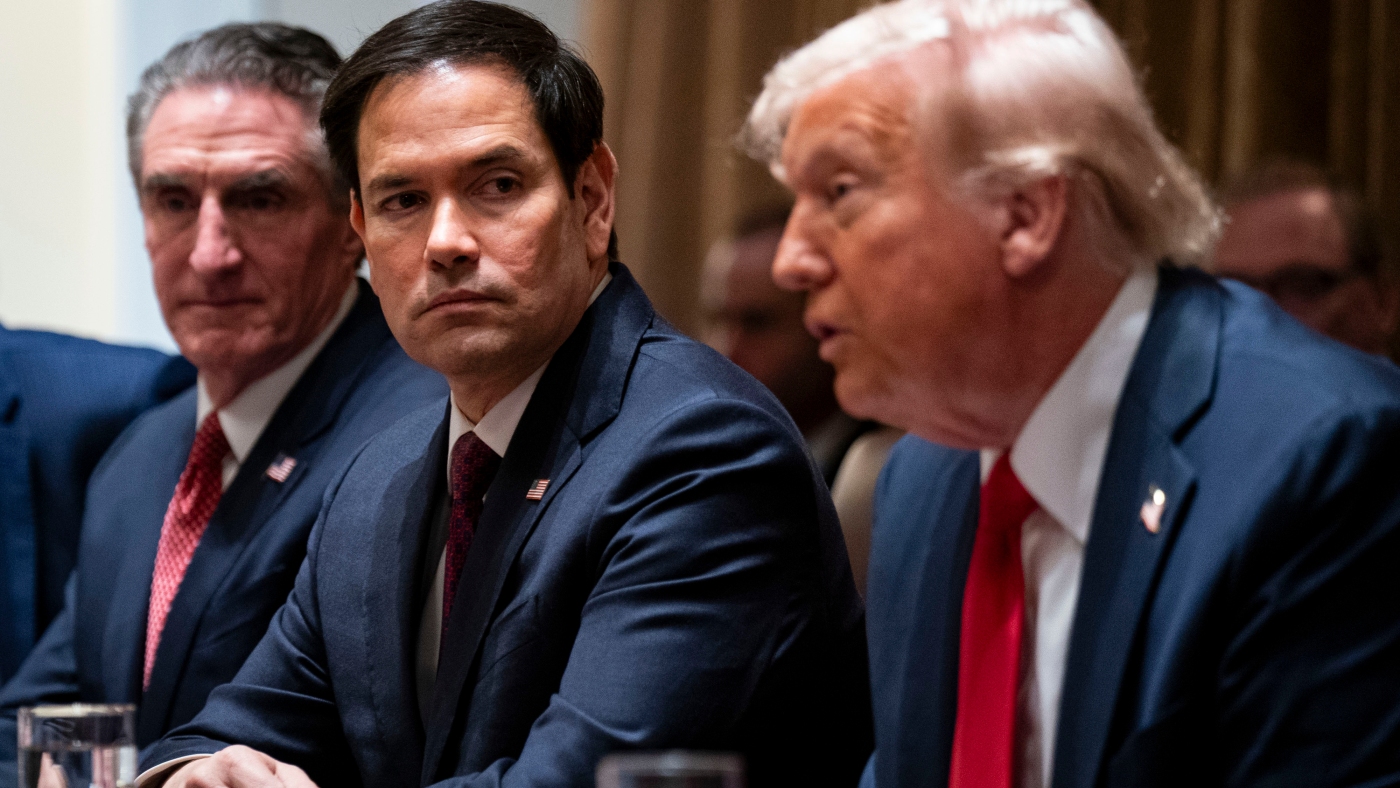
Secretary of State Marco Rubio, accompanied by Interior Secretary Doug Burgum and President Donald Trump during a cabinet meeting, declared on the social platform X that a sweeping 83% of USAID partnerships have been terminated after a thorough assessment.
In an official move, the Trump administration has scrapped a large portion of foreign aid agreements.
Rubio used his X account to announce the cessation of 5,200 agreements, indicating that many were ineffective or counterproductive to U.S. interests.
Out of approximately 6,200 total agreements funded by recent congressional budgets, around 1,000 contracts remain under the management of the State Department, which has now merged with USAID.
Rubio expressed gratitude to the Department of Government Efficiency, led by Elon Musk, for implementing what he described as necessary and transformative reforms.
An Accelerated Review Process
President Trump initiated a full reassessment of foreign aid on his inaugural day. A temporary halt on these programs was put in place by Rubio in January while a 90-day review was conducted.
The completed review, revealed in Monday's X post, was unexpectedly swift, occupying only a six-week period. The ongoing status of some endeavors remains uncertain.
Impacts and Wariness within Aid Circles
Officials from USAID have voiced serious concerns about the ramifications. In detailed memos by Nicholas Enrich, acting head for global health at USAID, dire forecasts were presented on the adverse effects stemming from continued aid suspensions.
These hold-ups in critical aid – spanning vaccinations, essential health services, and food supplies – could potentially lead to increased mortality and global instability, placing U.S. security and economy at risk.
Detailed tracking by USAID highlights potential yearly impacts if aid is not restored, including the overwhelming likelihood of unchecked diseases threatening Americans.
These predictions, though yet unverified by external experts, underline the powerful impact that reduced American aid might have.
Inquiries were made by NPR to the State Department regarding these grave forecasts and Enrich's position, but the department opted not to delve into personnel or communications.
Expert Opinions on Health Setbacks
Field specialists find validity in these apprehensions.
Jeanette Bailey from the International Rescue Committee elaborated that due to these terminations, multiple stabilization centers for acute child malnutrition have become non-operational, highlighting the unprecedented nature of this crisis.
Those combating diseases like tuberculosis also express serious concerns about the deadly outcomes attributed to the aid cuts, as Tereza Kasaeva from WHO attested, indicating diminished support in critical regions.
The scale of aid reduction was profoundly felt by organizations like Debriche Health in Nigeria, with substantial layoffs and critical health services grinding to a halt.
Jennifer Kates from KFF emphasized the dire and possibly lethal consequences of halting these initiatives, stressing the acute impacts on global health and survival rates.
Leave a Reply