


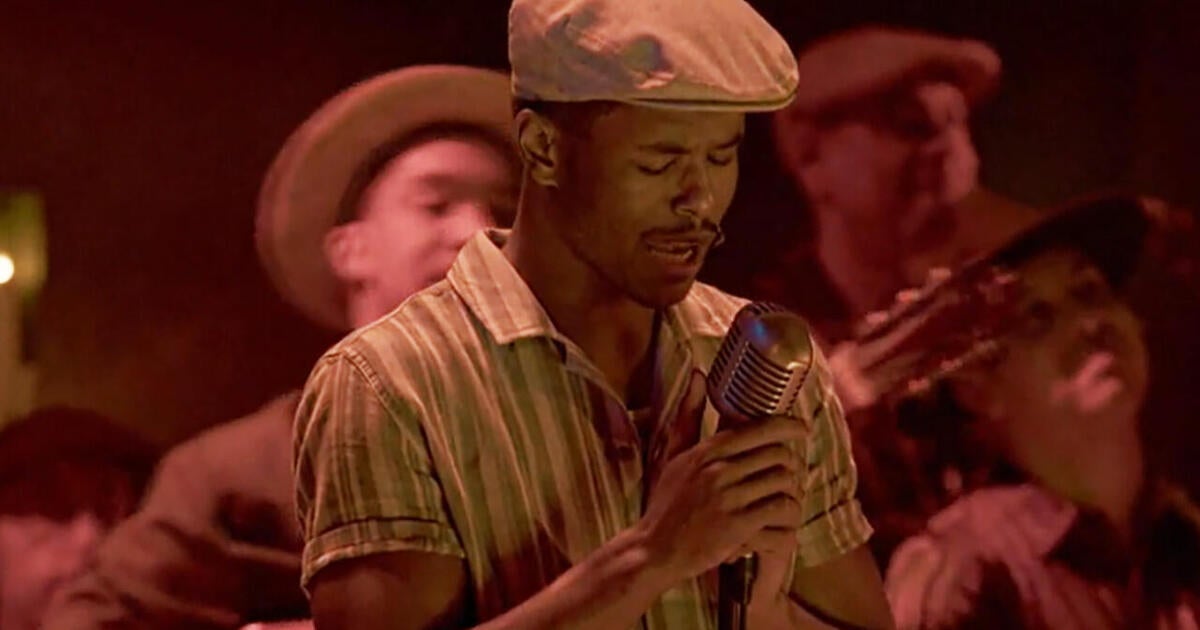
A Theatrical Homage to 'Buena Vista Social Club'
Many may recall the iconic 'Buena Vista Social Club' album, but even if it's a distant memory, a theatrical rendition is now bringing the essence of this musical gem to Broadway. It's a vibrant revival that introduces classic Cuban tunes to fresh audiences, capturing the essence of Havana's former glamour and the 1996 recording session that brought together an ensemble of seasoned yet overlooked Cuban artists.
The narrative centers on a fascinating band saga. Although dramatized, elements of truth shine through. The character based on Juan de Marcos Gonzalez had already reunited these veteran musicians before producers Ry Cooder and Nick Gold arrived in Cuba. Their original project, a collaboration with West African musicians, didn't pan out, prompting them to pursue an alternative direction by recording with Gonzalez's group.
"I was elated; I revered them," Juan reminisced. "Their music shaped my upbringing, and suddenly, I was directing their performances."
Would anyone involved have predicted the emergence of 'Buena Vista Social Club' as a groundbreaking sensation? Juan admitted, "Not at all. Their transformation into pop icons seemed surreal."
The astounding journey of these musicians became the focus of Wim Wenders' Oscar-nominated 1999 documentary. Music connoisseur Judy Cantor-Navas, author of 'Cuba on Record,' noted the improbable widespread appeal: "It was suddenly omnipresent. Old Cuban melodies selling millions seemed utterly improbable."
When asked why the music resonated so deeply, Cantor-Navas explained, "There's a universal allure in Cuban tunes, a perfect blend of Afro-Cuban rhythms and Spanish harmonies that creates an irresistible experience."
Beyond the notes, it was the musicians themselves, in their twilight years, who enraptured fans. The album, recognized with a Grammy, surpassed eight million sales globally.
"They found joy returning to their roots on stage," Juan de Marcos reflected. "For artists, retirement doesn't dim their passion; it merely embers quietly."
Artists like Omara Portuondo and Ibrahim Ferrer were in their golden years—67 and 70, respectively—when they embarked on global tours, a testament to their newfound fame.
The musical delves into the hypothetical backstories of these musicians, exploring their careers, dreams, and hardships long before global recognition graced their lives.
Cuban American playwright Marco Ramirez shares a personal connection: "Growing up surrounded by this music and experiencing the album's success was a profound moment of cultural pride for me."
Director Saheem Ali, whose Kenyan upbringing was intertwined with his father’s airline travels, became enamored with the album: "Although I didn't understand the lyrics, the music's appeal transcended language barriers, igniting a desire to delve deeper into the musicians’ stories."
On Broadway, audiences are transported back to the Buena Vista Social Club of the mid-1900s—a sanctuary of tunes for Havana's working-class Black community, which shut its doors with political change in 1959, the shadow of which stretches into the narrative.
Today's Cuban musicians, many now residing outside Cuba due to economic challenges, revive these timeless tunes on stage, embodying Cuba's rich musical legacy.
Juan de Marcos passionately expresses the musical essence of Cuba, "While we lack material riches, our wealth lies in rich culture—music, art—what we share with the world."
This production offers Broadway a feast, a celebration of Cuban heritage through sound and story.
Leave a Reply