


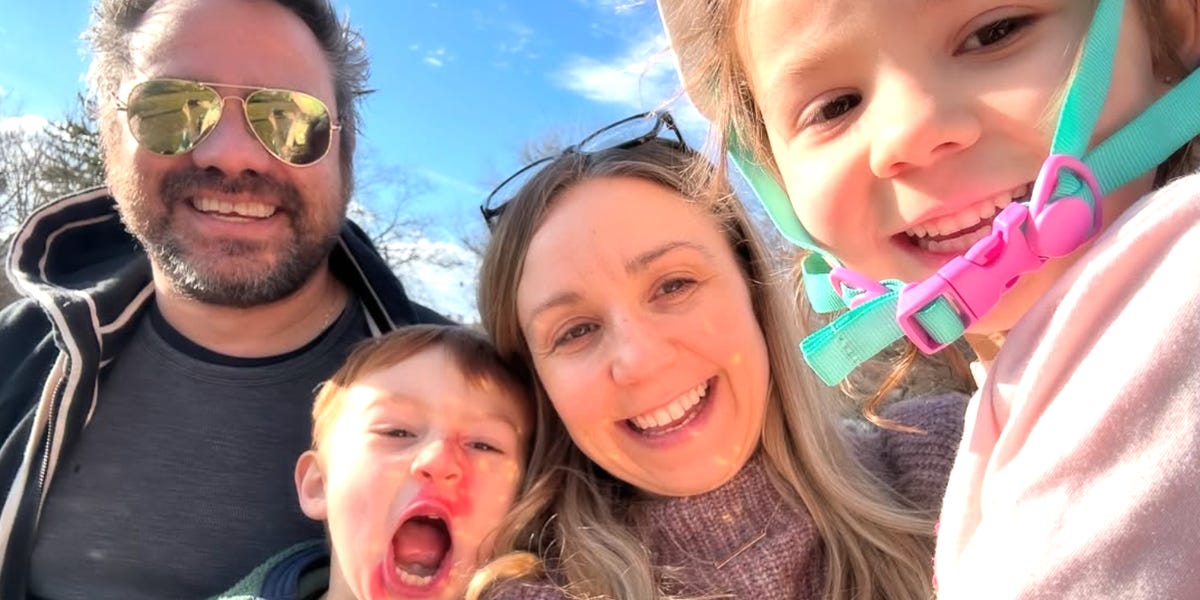
Posting My Children's Photos: A Job Necessity Without Drawbacks
During a recent panel where I discussed the intersection of caregiving and artistic careers, I owned up to what many see as taboo: I frequently write about my children and expect to continue doing so.
While other writers nodded disapprovingly, I openly stated that my children often feature in my work by name. To me, they receive no different consideration than any other individuals who appear in my narratives. I assess the potential impact, and if it's a story I feel compelled to share, I approach it with responsibility.
My arguably more controversial decision is to share my children's pictures on social media and in my freelance articles. I perceive no threat in such posts.
Understanding the fine line between sharing and oversharing is crucial. A decade prior to becoming a parent, I faced public disgrace via mass media, yet instead of withdrawing into privacy, the scrutiny taught me that hidden facets of life often foster personal and societal illness.
From facing scandal to motherhood, I have chronicled nearly every personal trial, from past professional choices and overcoming personal demons to career triumphs and how I've embraced success.
COVID-19 brought its parenting challenges, which I candidly described. I have extensively shared insights gained from raising a child with special needs and the homeschooling era that ensued.
Some parents worry about public scrutiny; however, I openly discuss my seven-year-old having a phone and their substantial screen exposure. My kids are central to my memoir's later sections, and my daughter is prominently featured in promotional social media posts.
The Views on Public Sharing
Though commonplace to hear parents vowing never to post images of their kids, discussions can turn harsh towards those who do. Concerns typically include potential risks to the privacy and security of the children involved.
Some parents opt never to reveal any identifiable details about their children online, such as their pictures, full names, or school locations. This choice is theirs alone to make.
Justifying the Risks With Rewards
Unlike a scientist or fiction writer, my expertise is in personal essays. My life’s events and my family’s experiences fuel my career and financial stability.
While some might suggest omitting details, I embrace an all-encompassing creative ethos where any aspect can inspire my writing—a sentiment that editors often support since images lend context.
I cannot stress over whether my candid stories might deter future opportunities for my children decades down the line. The truth is, these stories sell because they resonate with readers seeking relatable real-life accounts.
Reassessing Perceived Dangers
Benefits, both financially and professionally, come with sharing personal narratives online. Fears of exposing children to danger remind me of outdated urban myths, more sensational than reality.
Serious incidents like online harassment, based on revealed information, are rare, and oversimplified narratives encourage misplaced blame on parents, especially mothers.
Often, stories get distorted, leading to misjudgments. For instance, an account about securing educational support for my child got misrepresented, skewing its original purpose.
Embracing Public Engagement
My kids, unaware of the privacy discourse, cherish their role in my public persona. They delight in seeing their shared photos and often partake in creative input, like adding music or choosing filters.
Until they express discomfort, I view our storytelling as a shared right and teach its value. My daughter even dreams of becoming a writer herself one day.
Leave a Reply