


Fed Leader Jerome Powell Signals Stable Interest Rates Due to Economic Ambiguity
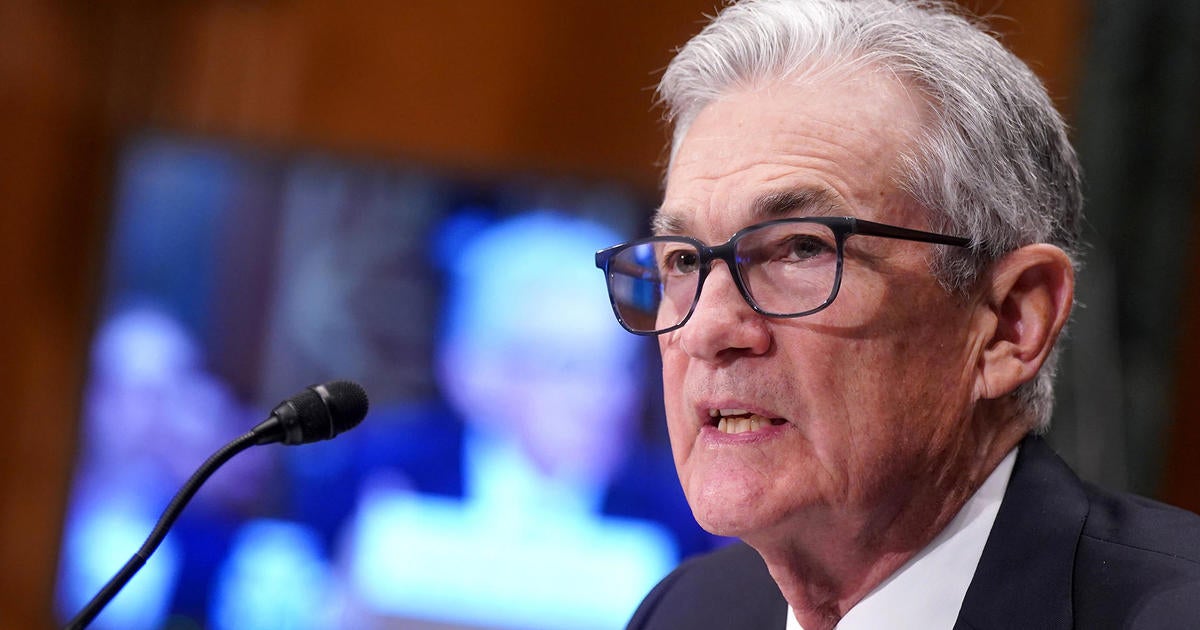
Federal Reserve Chair Jerome Powell conveyed recently that the central bank would exercise patience in modifying its benchmark interest rate, attributing this stance to the uncertainty surrounding the outcomes of the Trump administration's economic strategies.
The Trump administration has been implementing numerous policy alterations, affecting areas like trade, taxation, public expenditure, immigration, and regulations. Powell emphasized that the combined effects of these policy changes will significantly influence the economy and, subsequently, the Federal Reserve's approach to interest rates.
Addressing these developments, particularly in trade, Powell highlighted the elevated uncertainty about the implications of these transitions. Speaking at a conference in New York, he remarked on the necessity of distinguishing meaningful trends from minor fluctuations as economic forecasts develop. Powell underscored that there is no immediate necessity for decisive action, allowing time to await clearer insights.
The Role of Inflation Expectations
During a session of questions and answers, Powell recognized that tariffs typically produce a one-off price surge rather than catalyzing ongoing inflation, and thus the Federal Reserve might overlook such short-term impacts. Treasury Secretary Scott Bessent echoed a similar sentiment, acknowledging potential temporary price adjustments without alarm for inflation.
However, Powell noted that if tariffs escalate or multiply, it could precipitate significant economic effects, necessitating consideration by the Federal Reserve. What largely matters, Powell pointed out, are the projections for long-term inflation, which despite shorter-term fluctuations, have stayed stable.
Should the anticipation of price hikes change consumer and business behavior, such as companies preemptively adjusting prices, it could exacerbate inflationary pressures.
Economic Conditions: A Mixed Picture
Despite overarching uncertainty, Powell characterized the economy as broadly robust. The latest employment statistics revealed an increase in the unemployment rate to 4.1%, aligning with steady gains over recent months.
Nonetheless, Powell observed a deceleration in consumer expenditure relative to prior year's robust performance, amid greater skepticism about future economic conditions.
According to the Federal Reserve's Beige Book, a collection of economic anecdotes, mentions of uncertainty have markedly increased, underscoring the prevailing unpredictability.
President Trump's inconsistent tariff strategy and rapid government workforce changes have exacerbated uncertainty for businesses and eroded consumer confidence. Consequently, many economists have lowered growth projections for the current year’s first quarter as economic confidence wanes.
Fed Governor Christopher Waller contrasted negative rate cuts, driven by economic slowdown concerns, with favorable cuts where inflation aligns with the target. He expressed optimism for beneficial rate reductions, though discounted such a measure at the forthcoming Fed meeting.
After reducing rates thrice last year, Powell indicated a halt on further reductions while observing inflation remains slightly above the intended goal.
Leave a Reply