


Farmers' Continued Support for Trump Faces Test with New Trade Conflicts
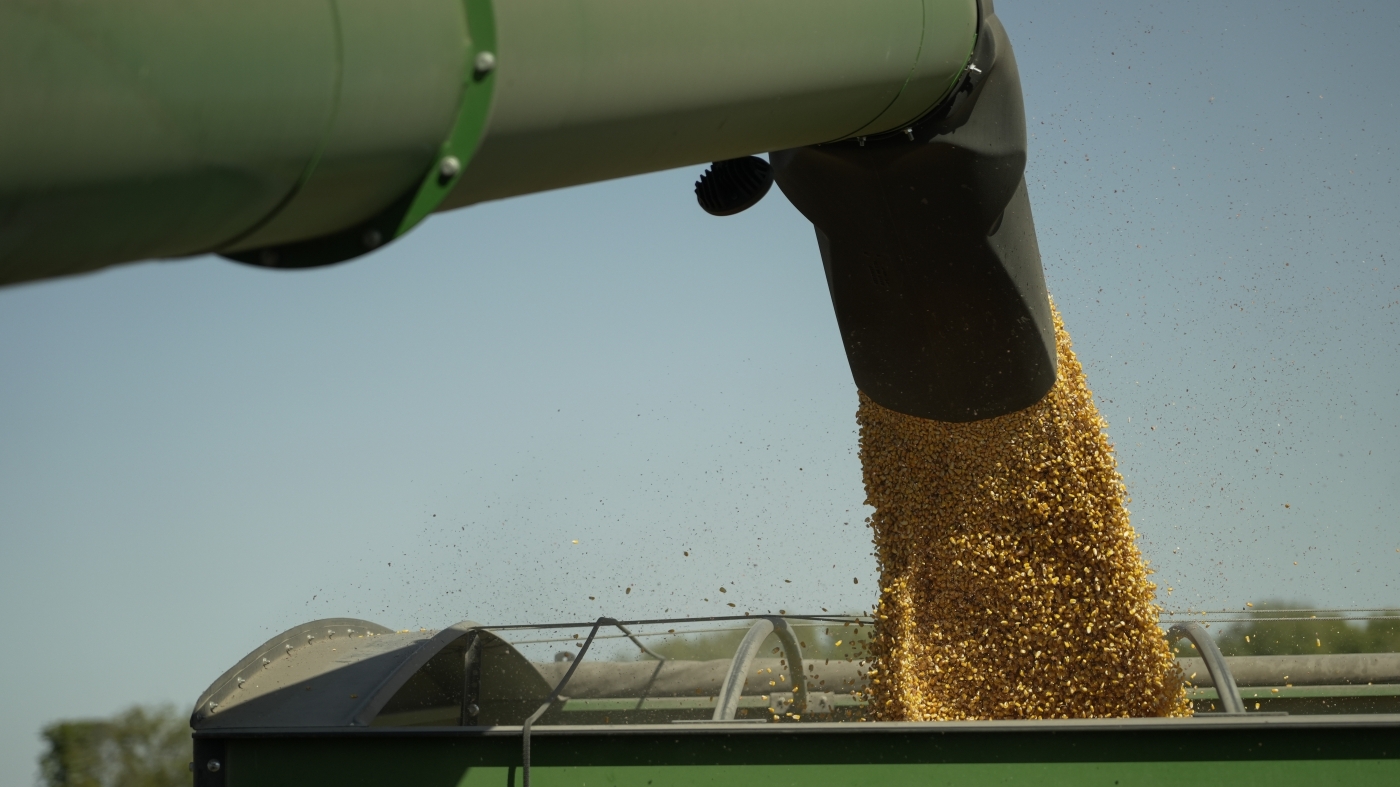
In the heart of Illinois, corn is harvested on a farm in Allerton, a snapshot capturing the ongoing challenges that American farmers face amid political and economic shifts.
Travis Zook, who cultivates corn and manages a seed business in Indiana, represents the complexities in the farming community's relationship with former President Trump. Zook, who is firmly rooted in farming culture, affirms his support for Trump, despite some reservations about his methods.
Zook's allegiance mirrors that of many rural voters, who cast their votes for Trump in the last election, though he acknowledges the drawbacks of Trump's past trade conflicts, specifically the 2018 trade war that significantly impacted agricultural markets.
The trade disputes previously led to considerable losses in agricultural exports. While Zook appreciates the financial support farmers received to mitigate these losses, he notes a discomfort with relying on governmental aid.
With ongoing disruptions such as burgeoning tariffs and threats like avian flu reducing demand for corn, Zook feels that another hit to tariffs would be ill-timed. Concerns linger about Trump's latest economic maneuvers affecting key trade partners like Mexico, Canada, and China.
China's renewed tariffs on essential U.S. agricultural goods, Canada's role as a major potash supplier, and potential changes to labor flows from Mexico all add layers of complexity. Additional pressure comes from significant funding cuts to critical agricultural programs.
Though temporary relief measures have been initiated, the most impactful tariffs on China persist, creating uncertainties in the agricultural community. In Congress, Trump reiterated potential benefits for farmers, though he recognized an adjustment period would be necessary.
Nick Levendofsky, representing Kansas farmers, urges caution, recalling previous market instability under similar policies during Trump’s first administration, which led to enduring changes in international trading patterns.
Amidst high costs for basic inputs, from fertilizers to machinery, many farmers remain deeply indebted, confronting additional economic stressors from current trade policies. Historical shifts saw Brazil expanding their agricultural lands, resulting in the U.S. struggling to reclaim previous export levels to China.
Veteran farmer Tom Barcellos in California remains unashamed of his support for Trump, highlighting vital discussions on state-specific agricultural concerns. He emphasizes legal employment practices in the farming sector and the critical role of immigration policies.
The American Farm Bureau Federation actively engages with congressional leaders to address labor shortages and essential legislative matters. They warn against broad deportations, which could disrupt the food supply chain significantly.
While communication channels with the Trump administration remain open, particularly regarding delayed payments tied to significant infrastructure initiatives, there remains a shared concern about the long-term effects of current policies.
Farmers show a tendency to support broader governmental ambitions but express concern over the potential duration and consequences of the economic strategies employed, seeking reassurance of stability amid shifting policies.
Despite ongoing concerns, Travis Zook maintains an optimistic outlook, expressing faith in outcome-driven resilience, transcending political climates. He reflects on past adjustments and brims with resolve, continuing his farming legacy with hope for future generations.
Leave a Reply