


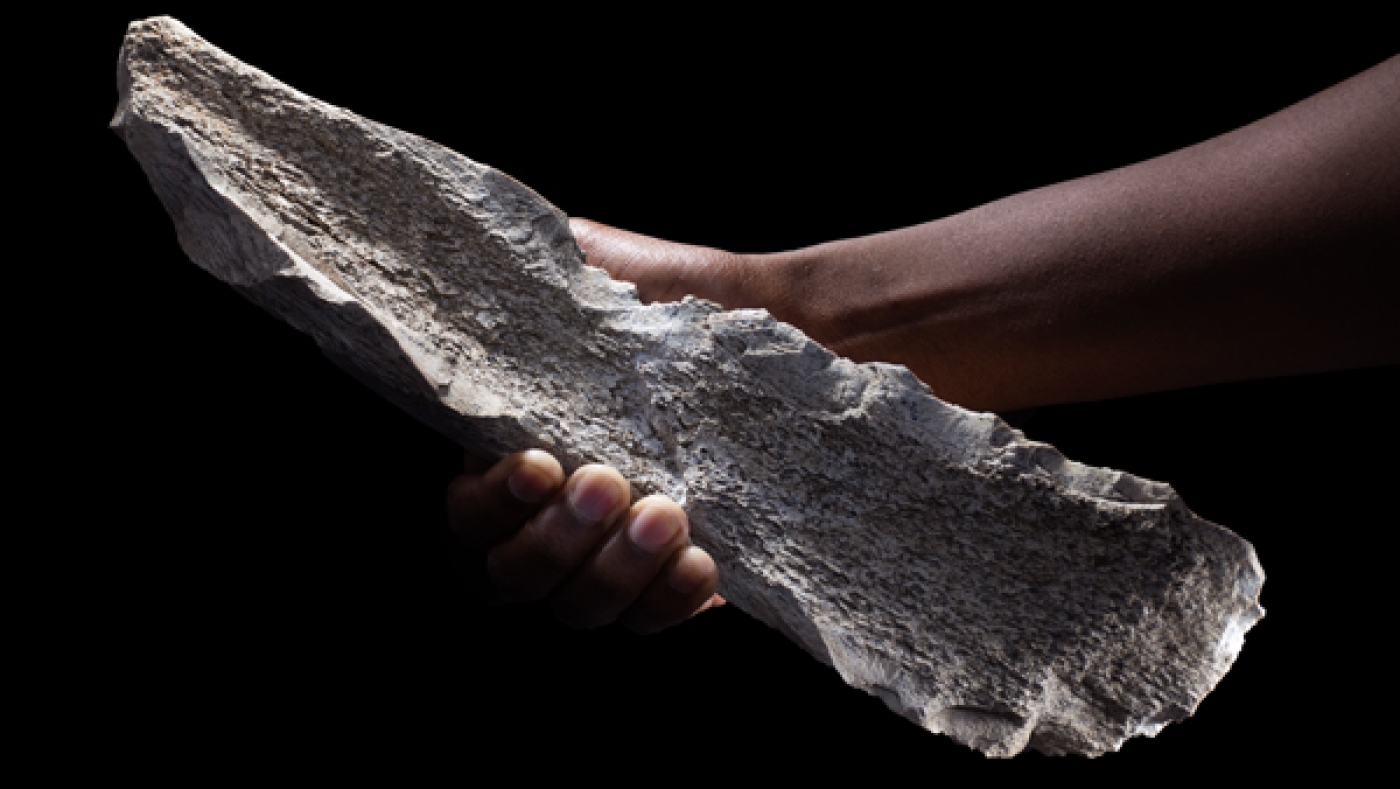
Ancient Use of Bone Tools by Early Humans Revealed Through New Study
A recent study has unveiled that early humans utilized animal bones for tool-making much earlier than previously estimated.
In an exciting archaeological breakthrough, a team from the Spanish National Research Council and Indiana University discovered evidence in East Africa that early humans crafted tools from bones over a million years before current scientific consensus suggested.
Ignacio de la Torre, co-leading the research and a part of CSIC, noted these bone artifacts originate from the Acheulean era, a time synonymous with the creation of stone hand axes.
"This discovery highlights a species with the capacity to innovate by adapting known methods of stone tool production," de la Torre explained in an interview, elaborating on this adaptation to bone material.
The excavation team focused their efforts in Tanzania's renowned Olduvai Gorge starting in 2015 and first encountered these tools in 2018. The collection totals 27 pieces, primarily fashioned from elephant, hippopotamus, and bovid bones.
While the use of bone tools by ancient humans is not a novel concept, this discovery significantly backdates their usage, as pointed out by Tom Plummer, a paleoanthropologist at Queens College, who was not part of this study.
He suggests that this finding extends our understanding of tool-making practices far earlier in the human timeline, showcasing the early adaptation and utilization of available resources.
De la Torre emphasized this development signified a shift in human perspective towards animals. Initially viewed as threats or competition, these creatures gradually came to be seen more as sources of tools, thus expanding the potential for resource exploitation.
Leave a Reply